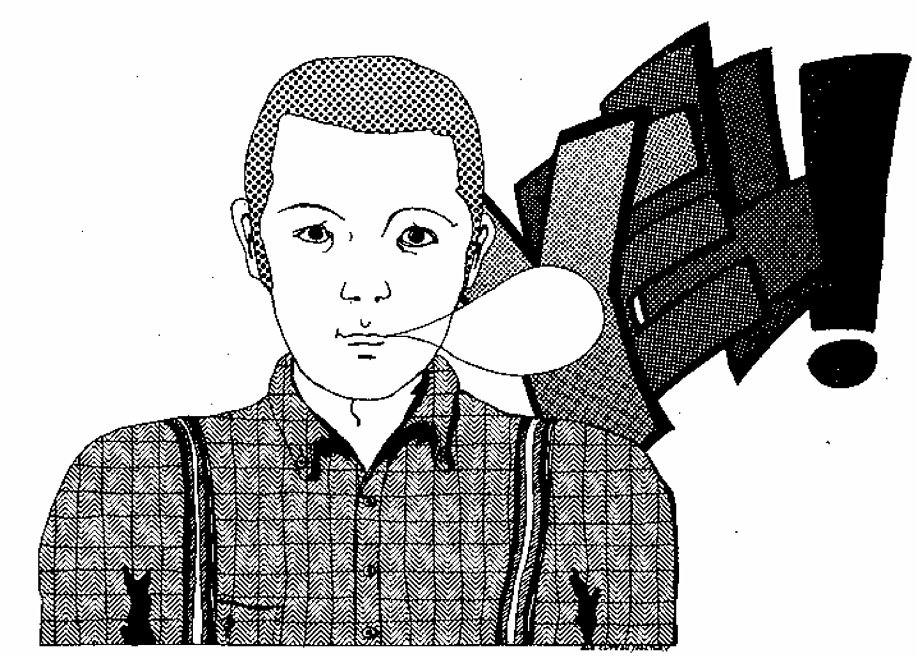
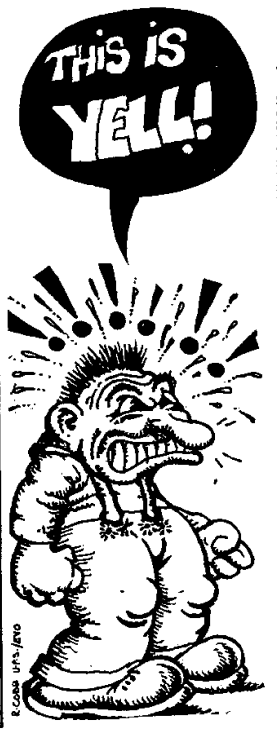
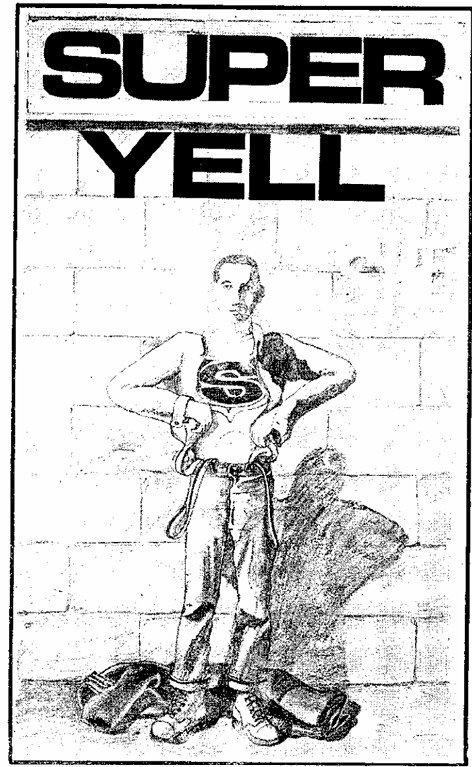
‘People call us “skinheads”, we don’t call ourselves anything. This is our page and we can do what we like with it’. Thus went Paul Thompson’s introduction in Yell, the weekly skinhead page he edited for the International Times between November 1969 and February 1970. The page was intended as a springboard for Thompson to launch his own skinhead magazine, but the project appears to have generated little interest. Contributors drifted away, Thompson’s motivation waned, and the venture folded after just seven instalments. We’re pleased to present the complete seven-issue run of Yell, [available here as a single PDF], alongside Matt Crombieboy’s interview with Paul Thompson below..
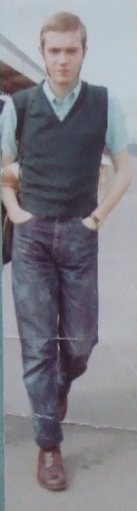
Followers of Creases Like Knives will have come across Paul’s name many times. For the uninitiated: originally a mod from Blackpool, he moved to South-East London with his parents in 1968 and landed squarely in a scene that was just beginning to harden into something that became known as ‘skinhead’. Like most of his peers, he began moving away from that look sometime in 1970, though he still enjoys playing soul records and dressing sharp today.
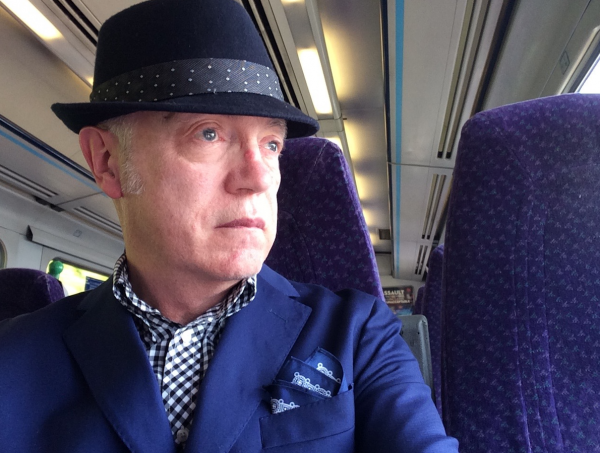
Hi Paul! First of all, tell me how Yell came about. I imagine contacts between skinheads and ‘freaks’ or ’hairies’ were sparse in those days, so a skinhead page in the International Times strikes me as unusual.
Well, a skinhead page in IT does seem like a funny thing – in fact I can recall someone shoved a copy back through the door of IT with the words “Get skinhead shit out of this paper” scrawled across it. As I recall it, there had been some snidey things said about skins in IT, so one day I just marched into their offices and confronted them about it. I think I said that instead of slagging us off, they should start a magazine for us. And they were like, “Hey… far out… like, you should edit it… like too much… like, far out man” (laughter) So…
What were your intentions with Yell – and what do you reckon the IT editors’ intentions were in granting you a page?
They said that to start off they would run it as a page in IT, and I would have editorial control over it. But the trouble was they expected me to run it there only for a short time and then launch it out with IT – and I had no idea how to go about getting a printer, doing typesetting, arranging distribution, or anything like that. That’s kinda their intention, to get me to launch it on my own, and like I said I didn’t have a clue what I was doing. I guess also we talked a little about defusing tensions between youth groups. I can recall saying “We’re ALL young”.
Where did the hostility towards skins stem from? Like the fella who wrote, “Get skinhead shit out of the paper”.
Class. Outlook on life. Musical snobbery (on their part!). Traditional hostility going back to mods v rockers maybe. I think the person – can’t say what sex! – might have been a biker or an Angel. The London chapter was starting to get going sometime around then. I met Jamie Mandelkau at IT and he wrote the book Buttons: The Making of a President [a 1971 biography of British Hells Angels leader ‘Buttons’].
But when you first walked into the IT office, did you already have a contact there?
I don’t think so. Although it did turn out I knew the bod who did some of the distribution – he had a small carrier company called Flamewing Transport, basically one van. But at the time I marched in there I didn’t know anyone.
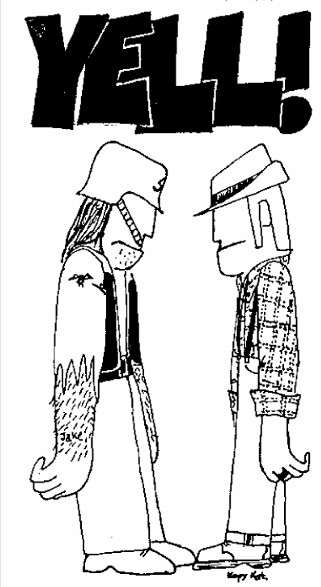
Back then, skinhead culture was based on boroughs, manors, streets, estates, football teams. Given this localism, how come that the Yell contributors came from all over England?
They responded to requests in IT. In the Yell page, I think. Plus I ‘recruited’ a couple of blokes I knew. A black skinhead called Fred Dove, whose parents were from somewhere in Africa. Plus I got Steve Maxted, DJ at the Savoy Rooms, to write record reviews.
How did you keep in touch with contributors from outside London?
Snail mail. I met Fred personally, and a couple of his mates. We hung out two or three times. But mostly it was ‘arm’s length’. Contributors fell off during the period, which began to convince me it was never going to happen.
But there were no visits to Manchester, for example, to ‘check out the scene’ there?
No. I didn’t have much money.
Was that an option at all back then – visiting skins in other towns? Or totally unthinkable, due to rivalries etc?
People tended to stick to their own manor. You could go ‘up West’ to the Squire shop, of course. But mainly, the only times we went out of our own locality would be to football matches, or a day trip to Margate or somewhere on a bank holiday.
So, given your own background, were you ever tempted to make Yell more of a South-East London thing? Or did you consider it important from the outset that it should have a national scope?
Basically I was just winging it. Like I said, I didn’t have a clue what I was doing. I hoped it would take off and that would give me some idea, but it just seemed to dwindle.
Tell me a bit about Steve Maxted, Yell’s reggae record reviewer.
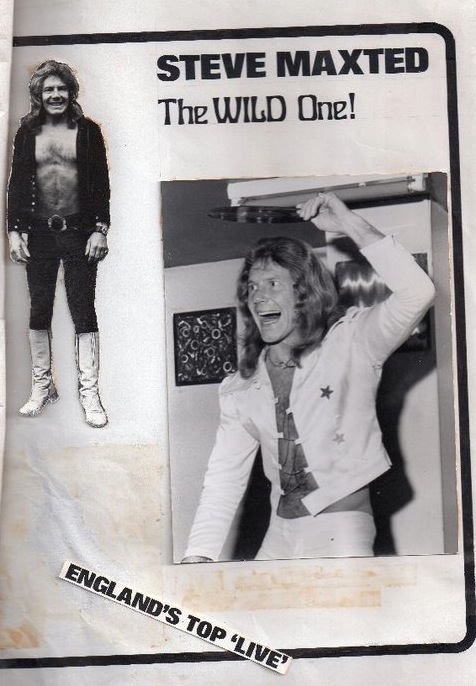
He was the resident DJ at the Savoy Rooms in Catford [where skins from that part of South-East London went dancing]. I had heard of him previous to my moving to London. As part of his stage act, he used to push pins through his cheeks. He didn’t just play the music, he did things like balancing a dagger on his chin. In fact, he didn’t have a clue how to cue records – he would announce a record and it would spin a few times before starting, so there would be pauses. So his actual DJing technique wasn’t too hot. In fact I won a DJing contest there. About three of us went in for it, and basically, we just handled the mic and he spun the records. And because I’d figured out the lag between his intro and the start of the record, I was able to fill in the space with a second or two of patter, and that was enough to make the audience think it sounded good!
He was a really nice bloke. Radio One wanted to hire him, but he stayed a local DJ. He was very approachable and very eager to do the record reviews for me. They were a bit naff, but never mind.
Was he the same age as you and the other skins?
He was older, born in 1943.
Did he dress mod or anything, or just regular bloke?
A bit kind of… hippie-ish I guess. In his earlier DJing career, he did have shorter hair and mod suits (that was before I met him, when his pin-sticking act first got into the music papers), but not when I knew him.
How knowledgeable was Steve about Jamaican music compared with the average skinhead at the time?
It all depends what you mean by “the average skinhead.” I used to go down to the local West Indian record shop in Deptford and listen to the sounds there. I can’t have been the only person to have done that. But I suppose more of the kids got their music from just being there in the Savoy Rooms. His choice was fairly commercial reggae, I have to say. And he always played Motown hits as well. ‘It’s The Same Old Song’ by the Four Tops, for example. He would spin that and cut the volume at the point where we would all yell out “OLD SONG!” He’d play ‘The Clapping Song’ by Shirley Ellis so that instead of shouting “A rubber dolly” we’d shout “A RUBBER JOHNNY!” His theme tune was ‘I Can’t Explain’ by the Who.
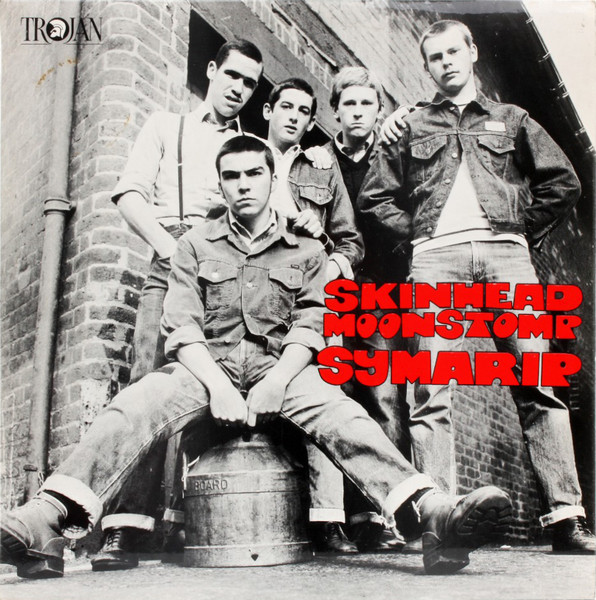
Symarip’s Skinhead Moonstomp was the first album reviewed in Yell. What do you think about the record in hindsight? Reggae classic or quick cash-in?
Hold on, I’ll have to remind myself of the track list!
‘Skinhead Moonstomp’, ‘Skinhead Girl’, ‘Skinhead Jamboree’…
It wasn’t one I bought. When it came to reggae albums of the time, it always struck me that ‘skinhead reggae’ albums just filled in the tracks with any old stuff. I preferred singles. And I was still into soul. I don’t think I bought one reggae album, but I bought a lot of reggae singles. The only album I bought was the ‘Uptight’ sound track by Booker T and the MGs…
One thing I remember was that Steve wrote a bad review for the Upsetters’ cover of the Coasters’ ‘Yackety Yack’. But he didn’t recognise the backing track – it was the Upsetters’ instrumental ‘Clint Eastwood’. Interestingly, the instrumental came out months before on a small label. But I reckon it was originally recorded as the backing track. ‘Clint Eastwood’ was on the Punch label, I think, but ‘Yackety Yack’ was on Trojan maybe?
Probably was, I’ll check [It came out on Upsetter, a Trojan subsidiary for Lee Perry’s projects– MC]. But what were your personal favourites in terms of reggae singles?
Well, ‘Clint Eastwood’ for a start. I liked anything by Desmond Dekker, until he stopped singing in patois. I quite liked ‘Elizabethan Reggae’ by Boris Gardner, even though it was rather a naff idea to cover a light orchestral tune. I liked Nora Dean’s ‘Barbwire’ …I liked the Maytals. ‘Fire Corner’ by King Stitt. ‘Mama Look Deh’ by the Reggae Boys.
I also wonder what you and your mates made of the ‘skinhead reggae’ wave more generally – records blatantly targeted at skins. Skinhead-this, skinhead-that in the titles. Were you like, “nice to be acknowledged”, or did you find it a bit silly, and some of the records mediocre?
We didn’t discuss it much. Most of the time ‘other people’ got skinheads wrong… But I guess we did quite like the idea that our Jamaican music-makers were acknowledging us.
Right. Laurel Aitken also appears in the first batch of record reviews in Yell. Was he already something of a cult artist for skins back in the day, or is this an image that was created during the revival period?
He was an acknowledged artist, a name we knew. It was often said about us that we “had no heroes” – I think it was that awful Chris Welch [Melody Maker journalist and rock biographer from Catford] who said that – and it’s kinda true. I mean, I went to see Desmond Dekker live at the Daylight Inn in Pett’s Wood (Kent), but he was actually quite a huge name. Although we tended to like Laurel Aitken’s music very much, I think there has been a bit of a gloss put on his role later on.
I suppose it helped that he stuck around – or came back.
Indeed, yes.
Any idea what Steve is up to nowadays?
No idea at all, I’m afraid. He cropped up a few times in the skinhead thread on Styleforum over the years.
Have there been any physical meets or reunions of Yell contributors after 1970?
No, none. To be honest, I made such a hash of Yell that I kinda shoved it to the back of my mind very soon afterwards.
What kind of characters were the other Yell contributors that you actually met in person?
I can only recall two, apart from Steve. One was a resident cartoonist at IT, one of their hippie-ish staff, a guy called Edward Barker. He invented a cartoon strip called The Largactylites that appeared in a daily paper, but he contributed an occasional cartoon to Yell. He was a really nice bloke. The other person I can recall was Fred Dove – I mentioned him before. He was a black skinhead. I hung out with him and his mates a few times. They would actually tease him about his colour – the standard gag was if they saw a person of colour coming they’d say “Hey Fred, here comes your mum” or “Here comes your dad”. He took it well, but it got on my nerves. He was a really nice kid, though. As I recall, he came to IT looking for me, which was heartening.
Right. Was ‘race’ an issue in your circles, in the sense that you thought about it at all? I’d always assumed that skins’ love of reggae and soul, their mixing with rudeboys at dances, etc, was quite an unconscious, ‘colourblind’ thing. But in the first issue of Yell, there’s a report from two Manchester lasses who go round asking people for their opinions, including on ‘coloureds’. With the exception of a pre-pubescent football fan, most respondents seem to think they’re ‘alright’. Which, in turn, makes me wonder: do we have an exaggerated idea about racism in England at the time? Sorry, that’s a few questions at once…
It was a rather fraught issue at the time generally. Yes, there was a lot of racism about. There was a certain amount of mixing amongst us. There were black skins. I can recall one or two who hung out at the Lewisham bowling alley with us. They could code-switch between London and patois. ‘Rudeboys’ did tend to come to the same venues but to hang out with their own mates. So, there was ‘mixing’ and there was ‘coexisting’. But it wasn’t all colour-blind or integrated. Many blokes would not date a girl if she had been with a black bloke. I didn’t see the point in that attitude. I was very friendly with a girl called Janet who had had black boyfriends. We always spoke to each other, and we fancied each other a bit, and I think we would have dated if it wasn’t for the fact that when one of us was free the other was partnered, and vice versa. Does that help?
It does. I guess what I was getting at is that, in retrospect, some read original skinhead culture as anti-racist, which I always thought questionable because any mixing would have occurred ‘organically’ rather than as some conscious anti-racist move. So, I was a bit surprised to find actual discussion of race in that report from Manchester.
I think it’s wrong to think of early skinheads as either consciously racist or consciously anti-racist. I think that where we mixed with black kids it was an organic thing. Racist attitudes too – they were things of the time, never something you had to sign your name on a dotted line. Until that TV clip where the bloke said he and his mates didn’t like Pakistanis, that is – and I imagine that young kids coming into the skinhead scene after that might have thought it kinda went with the territory.
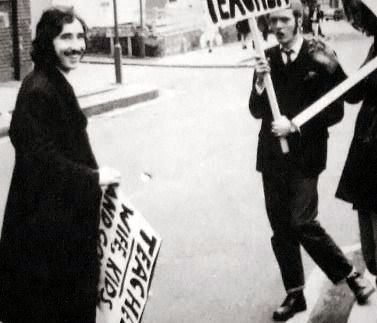
There’s a few left-wing editorial digs at bosses and the police from you – even a report from a protest in favour of raising teachers’ pay. Were you the only leftie at Yell or in your circles in general?
We didn’t talk politics much. There were lads who came from traditional Labour-voting families. I had a mate called Noel who was fairly left-wing. He was of Irish heritage. I had a mate at Goldsmiths who was kinda mod/skin and he thought of himself as a ‘social democrat’ (in the days before the SDP was formed). But like I said, we didn’t talk about it much.
How did your political input go down with readers? Did anyone in your circles ever moan about the left-wing content in Yell?
No, nobody mentioned it.
In hindsight, do you think that subculture and politics is a good combination – or an uneasy marriage?
It depends on the subculture. In a way, everything is ‘political’ because it’s how we behave in the polis. You could say hippies were ‘political’ in the way that they represented themselves as a ‘counter-culture’. But I recall [Scottish anarchist writer] Stuart Christie – not someone I knew at the time, only someone I had a brief correspondence with shortly before he died – thought that they were hedonistic and politically directionless. But if you take things like skinheads, who attached themselves to football, or northern soul, or the rave culture, things other than politics were our prime focus. For all that, I was an anarchist. I was heartily sick of the political infighting amongst the other lefties at Goldsmiths. Bloody bourgeois lot, even the ones who went round in Mao suits – in fact, especially them. I used to drink with the chair and secretary of the Conservative club and talk football!
Why did you never discuss clobber in Yell? You told me on a few occasions that this was the most important part of skinhead culture for you – before music, football, or anything else.
You’re making the mistake of thinking there was anything organised about Yell! I didn’t know what I was doing. Although I guess from another angle, I might have fought shy of introducing something so blatantly consumerist into IT!
(laughter)
Do you reckon discussing clothes would have been seen as un-masculine at the time?
The thought had not occurred to me.
Right. I guess a degree of male flamboyance was normal in mod circles. I just wondered if that changed in the skinhead period.
Well, clothes were important, but the enthusiasm for them was more… shall we say… understated. I’m trying to think of a better way to put this… Like it wasn’t good to be thought of as ‘flash’, which meant showing off. You could dress in something really cool, but if you talked about it – “Hey, look at my new suit!” – you would risk being taken down a peg or two.
But then there was that bloke I knew vaguely who showed me the checked American sports shirt he had bought at the Squire Shop, and I went and bought one in the same style but with the colours reversed. And we hung out together in these for a while. But apart from his telling me where he got his shirt, and the recognition when I bought mine, nothing much was said. Like I said, being ‘flash’ was a no-no.
Yeah, I think I know exactly what you’re getting at. People knew their stuff but they didn’t make a show of it.
That’s it.
Unlike me with my webzine.
(laughter)
And of course, there would be the kids who didn’t know their stuff but got the general look right.
A report in Yell suggests that some kids faced getting expelled from school for going to the Twisted Wheel (which Yell refers to as “the best club this side of the Berlin Wall”). Why was the place so notorious? And do you have any particular memories of nights out there?
Oh, to paraphrase an old saying, if you can remember the Twisted Wheel, you were never there!
I guess that kind of answers both questions.
Yeah, I think the reputation was for drugs. My own memories were actually from after I’d left the North. I travelled back up there a couple of times just to visit the Wheel. It was within the first couple of months after I had moved to London, and I hadn’t really made friends yet, so I went back up to see the old crowd. The Wheel was pretty intense, pretty full. And we would get kicked out at daybreak through the back doors which led onto a bomb-site, a patch of ground without a building, just flat rubble. And we’d all pile off to a club near Oldham that ran from Friday night to Monday morning.
I recall I was wearing a pair of Jodhpur boots – ‘Riders’ as they came to be known in various parts of the UK – the second time I came back to the North. They had just become popular in London because a lot appeared on the surplus market. I was the only person wearing them. I wonder if I started a trend in the North. (laughs) I recall they were bloody awful to dance in. Oh, by the way, in 1968 mod kids at the Wheel were already doing many of the moves that would come to be known as northern soul. I once took a girlfriend of mine from London on a trip to Blackpool, and we went to the Blackpool branch of the Wheel.
OK, but it wasn’t anything like the last days of Sodom and Gomorrah? More like, a bit of Dexedrine – i.e. mild compared to what ‘clubbing’ would involve from circa the 80s onward?
Well, I recall one bloke at the Manchester Wheel had a rather naff zipper jacket in wheat-coloured cord, with zip pockets everywhere. And the pockets were stuffed with gear, which he supplied. I think the idea of the zipper jacket was that if there was a raid then he could just pull it off and drop it on the floor in the middle of a crowd. But no, no one got turned into a pillar of salt if they looked back after chucking-out time.
But the Wheel wasn’t just a local thing, was it? People came from all over, or so I heard. What made it so special? After all, it was just some bloke playing records.
It did have live acts. It booked American artists. I went to see Ben E King there. Plus the DJs knew what they were doing, they knew their music.
Returning to reggae for a moment, the January 1970 issue of Yell, perhaps prefiguring later punk complaints about bands ‘selling out’ and things becoming ‘commercialised’, contains a rant against “cheap commercial imitations of reggae” being pushed by “money-grabbing capitalists”. The single ‘Clockwork Man’ by Bobby Shaw is cited as an example. Was this a concern among many skins at the time, that reggae was being taken away from you?
I think I’m going to have to pass on that one. Or at least, let me say that we were hearing – and dancing to – other kinds of music at the time. General pop music I guess. And ‘Spirit in the Sky’ was popular for a stamping dance at the Savoy Rooms. My own personal opinion is that something did go out of reggae when they started directing it at us and not at the West Indian market. I already said I think something went out of it when Desmond Dekker stopped singing in Patois. I don’t think reggae got back much of its energy until the Rasta phase. And that was more portentous, more inwardly religious and political. But by then many of us had moved on.
Right. I was gonna ask you, how did you tell ‘real’ reggae from ‘commercial’ reggae at that early stage – i.e. what were the typical traits of an imitation as opposed to the real thing?
It wasn’t ‘imitation’ as such. It was simply a direction taken by the marriage of UK commercial interests and Jamaican artists who wanted to make money. There was a short period when a handful of records came out without much musical merit, however. I recall one that I think was supposed to be a reggae version of ‘Na Na Hey Hey Kiss Him Goodbye’ – it was the Upsetters – but although they sung that chorus, the rest of the track was simply an organ and a wah-wah guitar playing the chords of a 12-bar.
Yell issue 2 has the following editorial remark: “Some time in the near future, pop/folk singer David Bowie should be starting a regular column for us… He’s a good bloke, and he’s on our side, despite his long hair” – tell me all about it!
Ah, another of my ‘brilliant ideas’! (laughs) Bowie and I used occasionally to drink at the same pub – the Three Tuns in Beckenham. I bumped into him one day and we got talking. I asked him to write a column – God knows why I asked him! – and he said he would. But I never followed it up.
It would have been interesting – a Bowie column within the skinhead page of a freak magazine.
Yeah, I guess (laughs).
Had he had his breakthrough with ‘Space Oddity’ yet?
I think it was already recorded or released, but it hadn’t broken into the charts yet. Did it not take two goes to make it a hit? I don’t recall.
Not sure. I think it became a hit in 1969?
OK, I do remember now that it was released but initially it did poorly. I met Bowie during that period.
Even when the song broke through, Bowie stayed a one-hit wonder for a while after that.
He did, you’re right. I admire his persistence. He had been trying for bloody years!
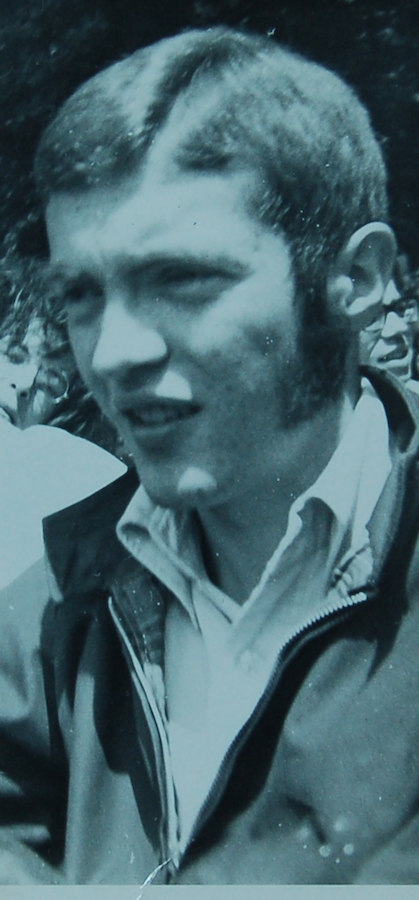
What was the thing about that pub in Beckenham? Just a regular boozer, or some kind of scene hangout? Asking ‘cos Beckenham isn’t that close to your stomping grounds of Deptford and New Cross.
My parents lived near Beckenham at the time. I used to go up and down everywhere from Beckenham, Bromley, Catford, Lewisham, Deptford. It was a fairly regular boozer… Sometimes it had music. I think I saw… oh, what was the name of Bowie’s one-time manager/producer? Tony Visconti – he did a solo gig there, singing and accompanying himself on an acoustic guitar, he had a song that ran “So you want to be a record producer / Then let me tell you what you must do, sir.”
Moving to February 1970 – Yell folded that month. Why did the IT decide to discontinue your page?
They got fed up. Mostly because I hadn’t launched it on my own. They realised I was a bit of a dead loss.
Nothing to do with any anti-skinhead feedback from their readership?
They didn’t say, if there had been.
By that point, was the skinhead scene in London still the same thing, or had it become a different animal? If someone had walked through London in 1968 and then again in February 1970 – what would they have noticed had changed about the skinhead scene?
They would have noticed longer hair. The older guys were growing theirs, gradually abandoning recognisably skinhead clothes every payday. Younger kids started to follow suit. This was by later on in 1970. In early 1970 there was the brief vogue for MA-1 jackets. But as we were starting to abandon strict skinhead fashions that vogue didn’t last long. Which is why I had to chuckle when the MA-1 was adopted in such big numbers by later waves.
But, apart from the changing fashions – had the vibe, or the spirit of it changed?
Well… the football was still there. I can’t really say, though… My girlfriend and I were out of it. She was buying Stevie Wonder albums, Crosby Stills & Nash, Cat Stevens, Melanie, and I was getting into folk and jazz, so we weren’t really looking at that scene any more. We no longer went to the Savoy Rooms.
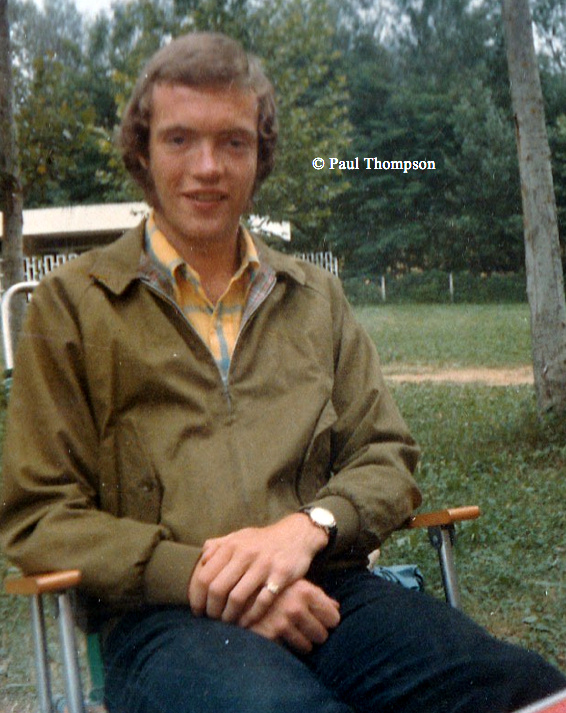
I guess I wondered if the whole thing still had the same ‘soul’. Leaving aside your own drift out of it, did it seem like a different crowd or mood had replaced what had been there earlier?
It was a kind of doldrums stage. I mean these days everyone latches onto the ‘suedehead’ name, but that was mainly a joke term where we were, it just meant that brief period of transition when blokes grew their hair out.
What my girlfriend and I were doing was what was happening generally. She and I were what are known today as ‘originals’, and I guess it was a case of getting older – everyone was getting older, and the vibe was different with all the younger kids coming in. A connection was lost. If you popped back into a venue you wouldn’t recognise anyone.
Finally Paul, what do you think of Creases Like Knives? Do you see it as, in some ways, part of the same lineage as Yell, or is it something completely different?
It’s your baby. You have a much better idea of what you want to do with it. You’re no longer young –forgive me! (laughs) – you have your head screwed on, and you are looking back at a number of ‘skinhead’ periods and what they meant to people who were in those scenes. I think it is difficult to compare a failed fanzine (ish) with a webzine. In some ways, you have it easy these days, as regards reaching people. In other ways you can stretch your creativity with a webzine in ways we wouldn’t have dreamt of back then.
Oh, just one more thing: are you aware of any influence Yell may have had? There was a host of ‘traditional skinhead’ zines in the 80s, for example. Did they know about Yell, or did people only become aware of it more recently, in the internet age?
No idea whatsoever! Except maybe if someone learned how not to run a fanzine! (laughs)
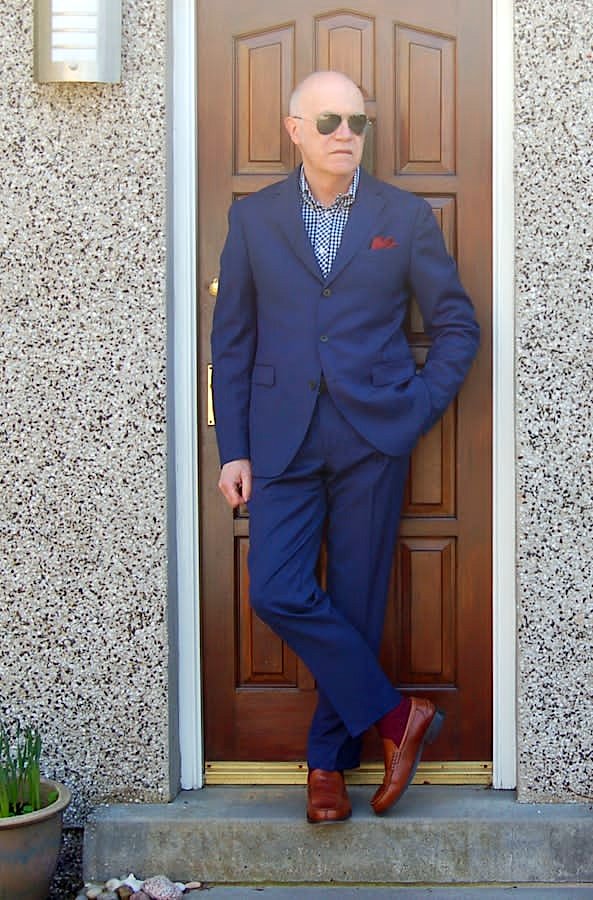


Just an interesting point to note, Matt:
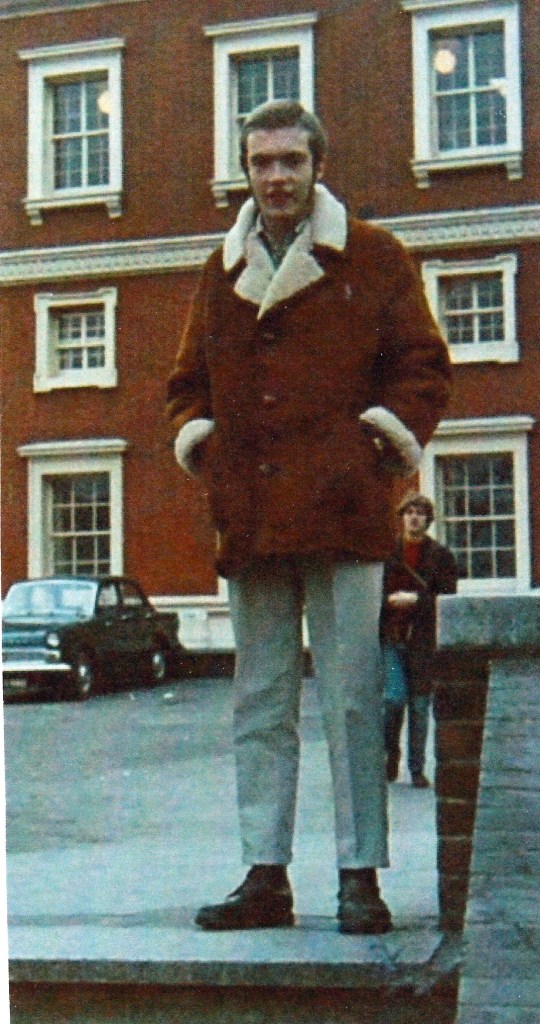
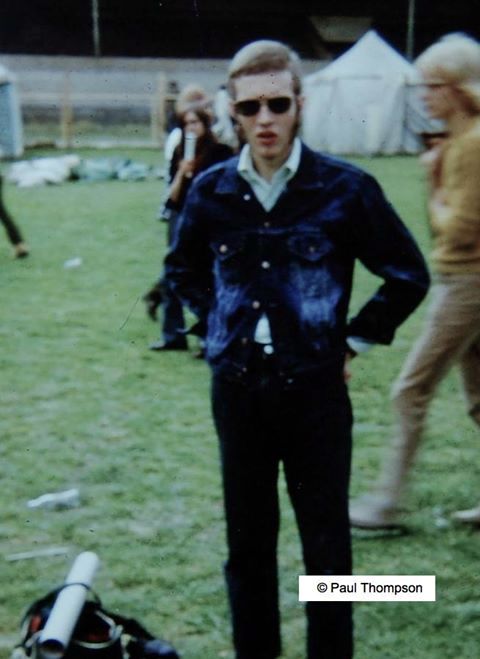
The bit where I say, “But then there was that bloke I knew vaguely who showed me the checked American sports shirt he had bought at the Squire Shop, and I went and bought one in the same style but with the colours reversed.” That shirt is actually the one in the colour photo of me from 1970 – yellow with blue window-pane check – where I’m wearing the green Harrington.
Paul.
LikeLike
Great article.
LikeLiked by 1 person
Great interview – like Paul, my dad and his brother were originals – in West London not SE London – and were (and still are)left leaning – later on involved in trade unions and anti-fascist activities. The idea that all skinheads (or working-class in general) were right wing or racist in that era is nonsense. But equally this modern idea that the original skinhead was a consciously anti-racist movement is nonsense.
LikeLike