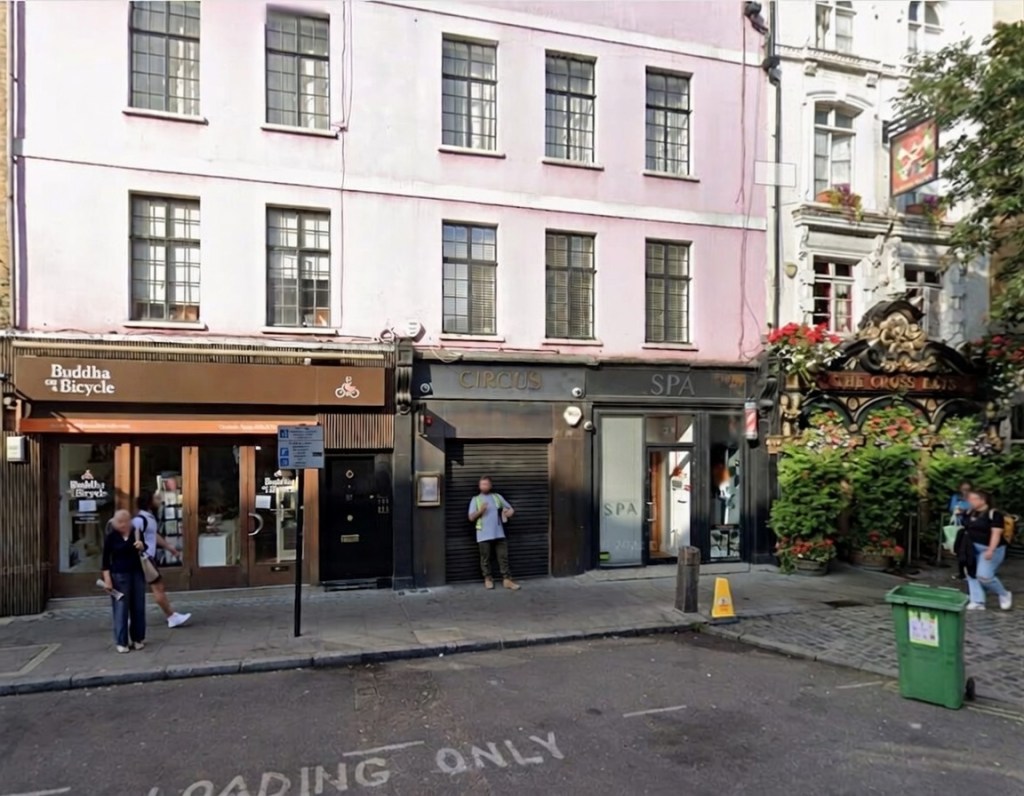
From the Lyceum, we head north into the heart of Covent Garden. We cross the busy Strand and make our way through the narrow streets that separate the theatres and offices of the West End from the old market district beyond. After only a few minutes’ walk, we arrive at 2 Russell Street, just beside the Covent Garden Piazza.
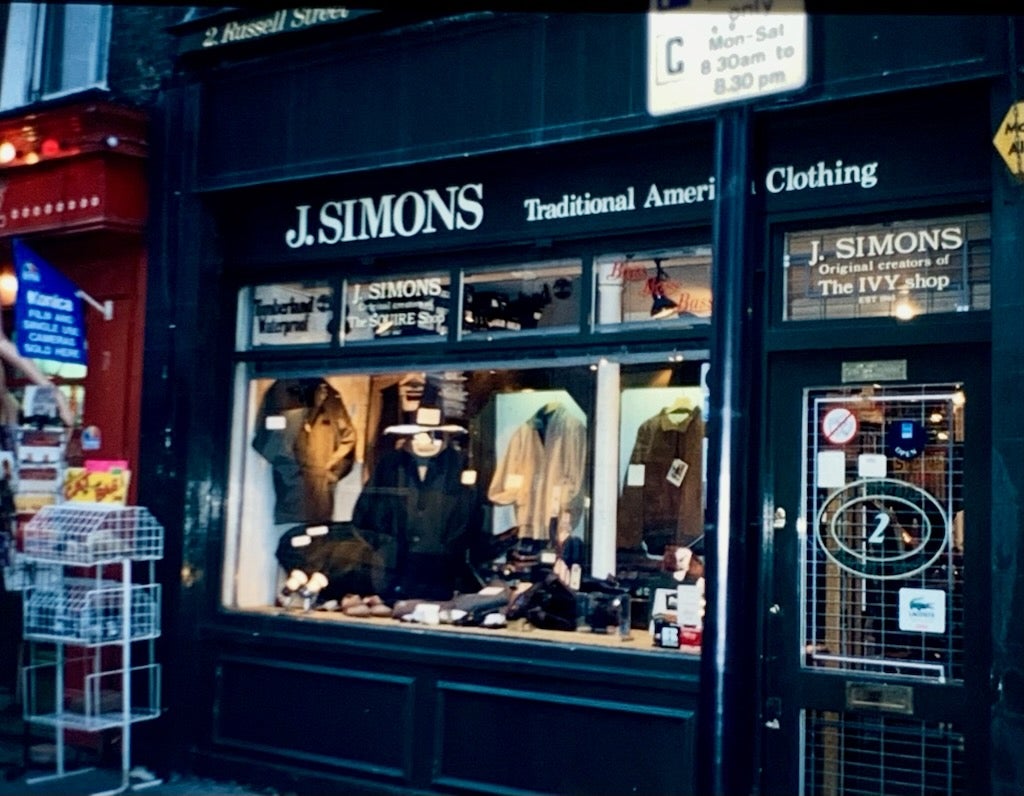
J. Simons, 2 Russell Street, Covent Garden.
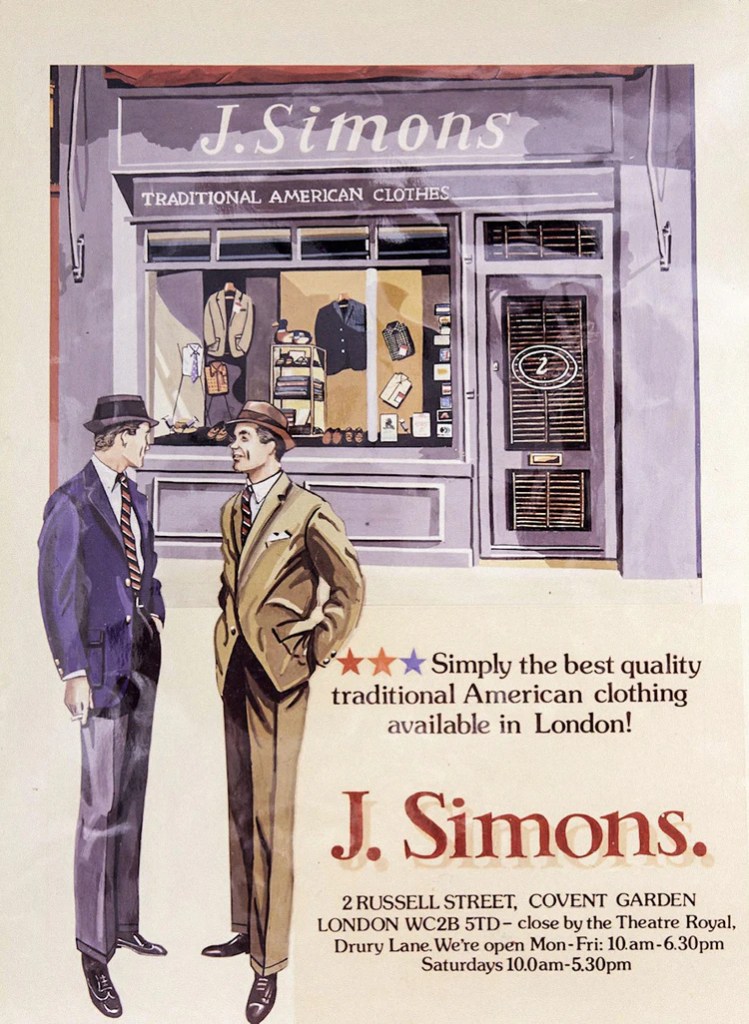
You will remember John Simons from earlier parts of our walk. In the ’60s he brought the Ivy look to England, gave the ‘Harrington’ jacket its name, and earned himself a skinhead clientele during the subculture’s original period – whether he particularly wanted one or not. In 1982, he opened a new shop on these premises, a decade after the original skinhead and suedehead periods had faded and classic, Ivy-inspired fashion had entered one of its periodic spells of looking like something your dad had left hanging in the wardrobe.
Simons’s activities from the early ’70s to the early ’80s, the period between his original retail ventures and his return to the shop floor, are less well documented. In 1971, he opened The Village Gate in Old Compton Street with Swinging Sixties entrepreneur Jeff Kwintner, but the partnership soon ended acrimoniously. In the years that followed, Simons “drifted a bit”, as he later put it, largely remaining behind the scenes in the rag trade. By the late ’70s, he was working as a wholesaler of loafers and beginning to consider a return to retail. In 1982, he re-emerged with the Covent Garden shop.
It is sometimes said that, with this new venture, Simons ‘invented vintage fashion’. I find that a bit bewildering. Weren’t the skinhead and mod revivalists of the late ’70s already into vintage fashion, raiding small retailers for deadstock ’60s Ben Shermans and Sta-Prest, or wearing older brothers’ clobber from the same period second-hand? What fashion historians likely mean is that this was the first time a name retailer packaged ‘vintage’ as a concept, making pre-worn clothing from ‘classic’ periods acceptable to bourgeois fashionistas rather than just working-class youth subcultures.
Simons himself, in any case, denied any such grand plan in an interview with the Evening Standard in 1989. He insisted he was simply continuing what he had always done – and indeed continues to do in Marylebone today:
J. Simons was never intended as a retro shop. It runs along similar lines to my previous shops: a mixture of classic old styles and classic new ones. There was a determined effort to create an East Coast American look: Brooks Brothers, J. Press etc. I suppose ours is quite a purist vision. We obviously reflect what’s fashionable and make concessions – after all, we’re not in the V&A, we’re in Covent Garden. We stock most of the things that I had in The Squire Shop in the 60s, like Harringtons, American chinos, flat-fronted trousers, Sebago loafers, the Ivy League Oxford button-down shirt.
At the time, J. Simons was probably the only Ivy shop in London, and its orientation was made explicit by the sign beneath the name: ‘Traditional American Clothing’. The window display featured items rarely seen in London at the time – suede chukka boots, leather deck shoes, camp moccasins, bit loafers and Shetland wool sweaters.
In 2011, Simons moved his business from Covent Garden to Marleybone, where it is still located now (see Part 1 of this series).
Current status: The former premises in Covent Garden now host Gelatorino, an Italian cafe and ice cream parlour. The ice cream is really delicious – one of the few changes in the West End I have no issues with.
Music: Frank Sinatra – Swingin’ Down the Lane
Leaving 2 Russell Street, we head west along Long Acre through the heart of Covent Garden – once a cheaper, slightly shabby corner of central London rather than one of the city’s most expensive retail districts. After a few minutes, we arrive at Covent Garden tube station.
Sounds offices, 40 Long Acre, Covent Garden.
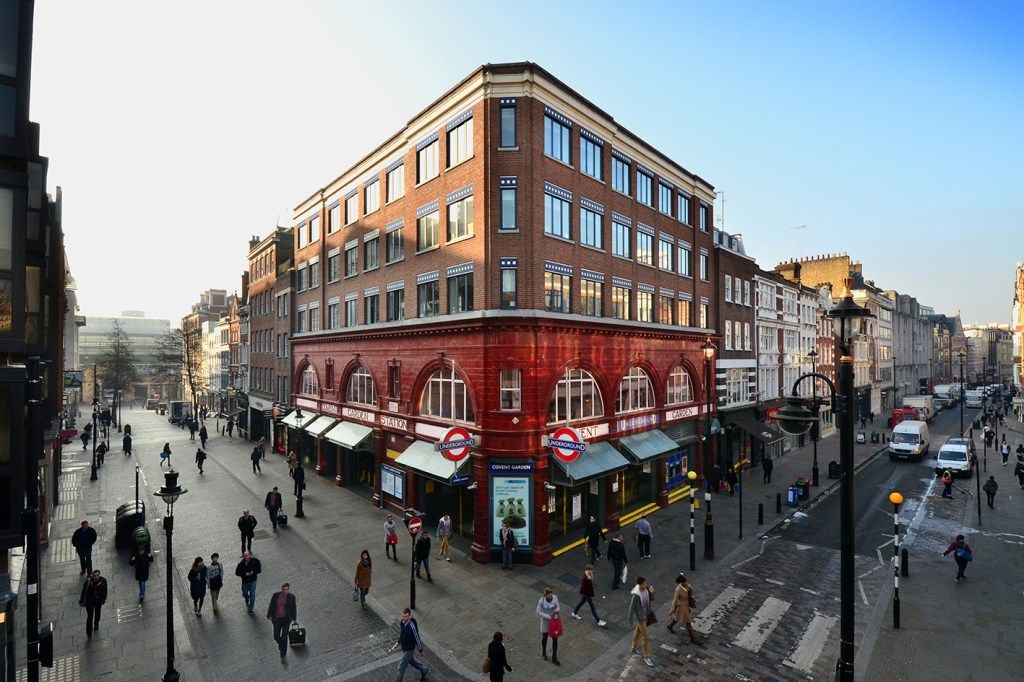
From October 1970 until the early 1980s, this building above Covent Garden tube station was the home of Sounds, the music weekly that began as a left-leaning prog-rock paper before becoming one of the first music publications to cover punk.
It was here, too, that in 1978 a young Trotskyist punk fan named Garry Bushell began writing about working-class music phenomena such as NWOBHM, 2 Tone and the mod revival. Before long, he invented ‘Oi!’ – initially less a genre than a fictional category encompassing whatever Bushell happened to put on his compilation albums. As you will remember, these included comedy acts, straightforward punk bands, ranting poets, bar-room rock ’n’ rollers, glam-punk hooligans and skinhead combos.
It was only after Oi!’s initial death knell in Southall that the label consolidated into a readily recognisable genre, broadly characterised as ‘skinheadish punk with growly vocals’, modelled on bands such as the 4-Skins and the Last Resort.
In January 1981, Bushell invited Oi! bands from around the country to these offices for a debate intended to establish what the genre stood for – and what, if anything, it planned to do about it. In the mid-2000s, he recalled:
The Oi! bands converged to publicly thrash out their stance at the Oi debate held at Sounds in January 1981. Everyone agreed on the need for raw r’n’r, and the sense of benefit gigs, but there was a heated difference of opinion on politics. Stinky Turner was violently against politics and politicians. Mensi argued that Labour still represented working class interests and claimed that ‘the Tories still represent the biggest threat to our kind of people’. It was the same divide that had always separated the Rejects and the Upstarts. They managed to agree about reclaiming Britain’s Union flag for the people and, erh, that was it.
—Garry Bushell, Oi! The Truth
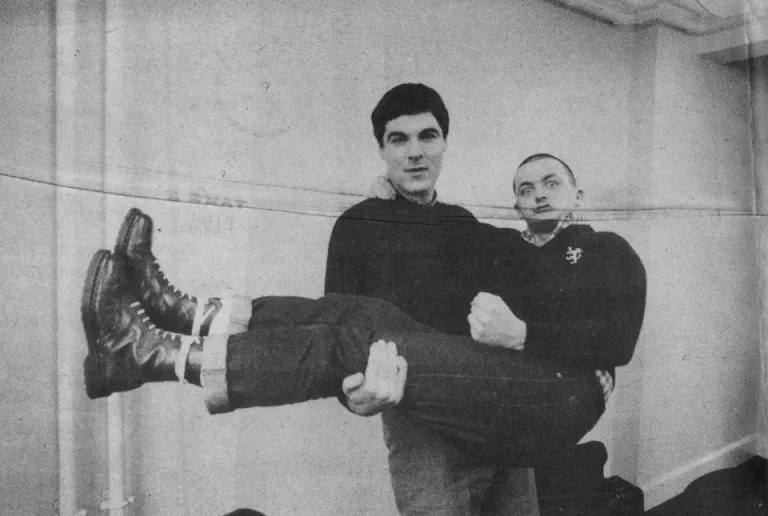
Tom McCourt and Craig St Leon at the Sounds offices, 8 January 1981
Craig St Leon, of Coventry skinhead stalwarts Criminal Class, was there too. He told me:
Well, it was interesting, but I didn’t really say a lot because I was very shy and still am. I’m no good at speaking in public – hate it, a bit agoraphobic.
So much for the great Oi debate. The second – and last – was held in June 1981 at Conway Hall on Red Lion Square, where we’ll pass later.
Current status: In the mid-80s the Sounds editorial team shifted to Greater London House on Hampstead Road, which they shared with sister titles like Kerrang! Bushell changed his politics, began writing for Rupert Murdoch’s The Scum newspaper, and developed a strange obsession with ‘poofs’. The office floors above Covent Garden tube station are currently vacant and undergoing a major heritage restoration and roof extension project by Transport for London.
Music: The Gonads – Punk City Rockers Cockney Rejects – Oi Oi Oi
February 1981: Cockney Rejects Micky Geggus and Vince Riordan at the Sounds offices
From Covent Garden Underground station, we come out onto Long Acre and head west for a short bit before turning right into Endell Street. We continue along the street until we reach number 27.
International Times offices, 27 Endell St, Covent Garden.
This was the home of the International Times offices after the original magazine moved from the Indica Bookshop/Gallery in Southampton Row in early 1969. Its stay in Endell Street was brief: by the beginning of 1970, IT had packed up once again and relocated to Wardour Mews in Soho. The International Times was London’s leading underground ‘freak’ newspaper – a mix of psychedelic culture, radical politics, avant-garde art, underground music and the growing counterculture. This made it a rather unlikely place to launch a skinhead publication. Which is precisely what happened when South-East London skinhead and lifelong leftist Paul Thompson decided one day to march into the offices and challenge the editors:
As I recall it, there had been some snidey things said about skins in IT, so one day I just marched into their offices and confronted them about it. I think I said that instead of slagging us off, they should start a magazine for us. And they were like, ‘Hey… far out… like, you should edit it… like, too much… like, far out man’.
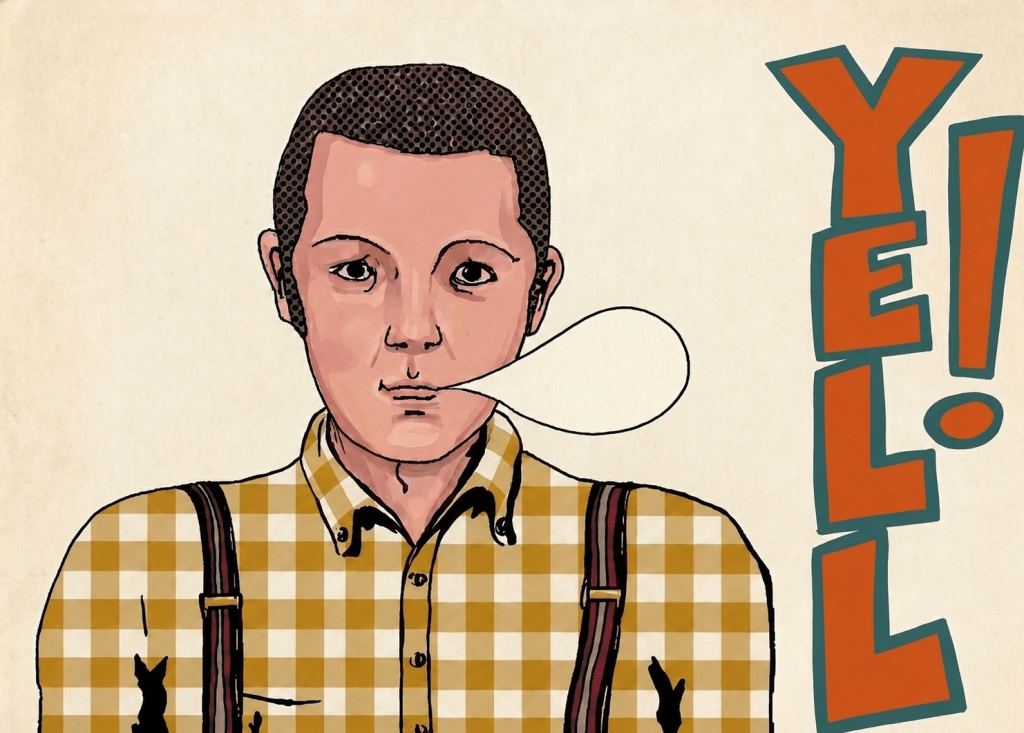
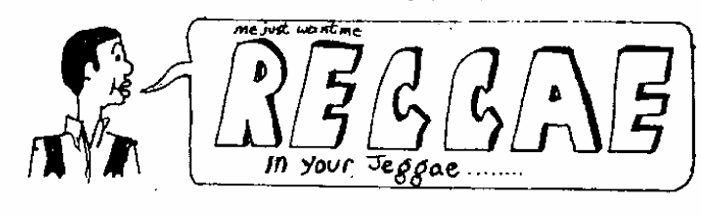
To help him get started, IT offered Paul a page in every issue of its fortnightly publication. The result was Yell, which appeared in November 1969 as the first proto-skinzine.
“People call us ‘skinheads’, we don’t call ourselves anything. This is our page and we can do what we like with it,” Paul wrote in his introduction. Over the following issues, he and a number of skinheads from across England contributed their thoughts, reggae record reviews and commentary on their movement. But Paul’s tenure at Yell proved even shorter than IT‘s stay in Endell Street. By February 1970, most of the skinhead contributors had dropped out and the project ground to a halt. The skinhead magazine that Paul had imagined never materialised. As the final instalment of the column was prepared, the London scene had supposedly moved into the ‘suedehead’ period. The Yell editorial team commented:
According to the Daily Mirror, which is always good for a laugh if nothing else, anyone with a grown-out crop and a pair of squires shoes is a suedehead. It is always interesting to see how many ‘new youth-cultures’ the Mirror can ‘expose’ to the public. Have you noticed how they always write whatever the s***heads they are talking about say in what’s supposed to be a cockney accent? Like ‘bovver’ for example. Blimey, Mirror, we ain’t ALL got spastic lips!
Little did they foresee the long shelf life the term ‘bovver’ would enjoy…
I recently interviewed Paul about the Yell project – read the full interview HERE.
Current status: Today, 27 Endell Street appears to be a residential building, containing around six flats, as well as shops at ground level.
Music: The Pretty Things – ‘S.F. Sorrow Is Born’ Desmond Dekker – ‘Pickney Gal’ Boris Gardner – ‘Elizabethan Reggae’ Nora Dean – ‘Barbwire’ King Stitt – ‘Fire Corner’ Reggae Boys – ‘Mama Look Deh’
From the site of the former IT offices, we continue north along the street, leaving behind the cafés, restaurants and boutiques that now dominate this part of Covent Garden. After a short walk, we reach number 83 Endell Street.
St Giles’ National School, 83 Endell Street, Covent Garden.
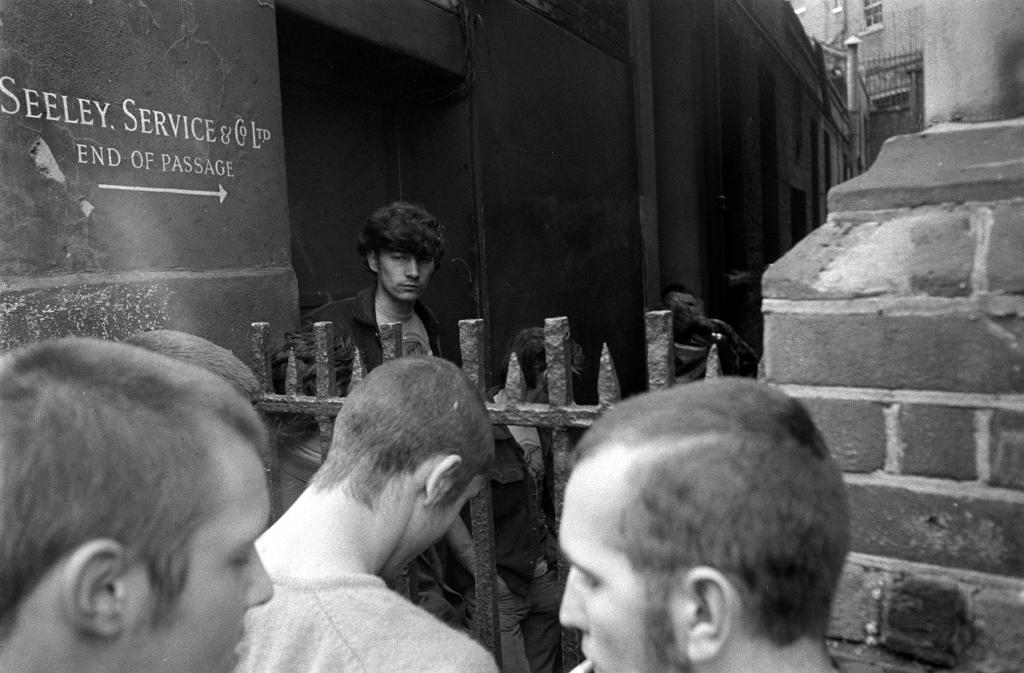
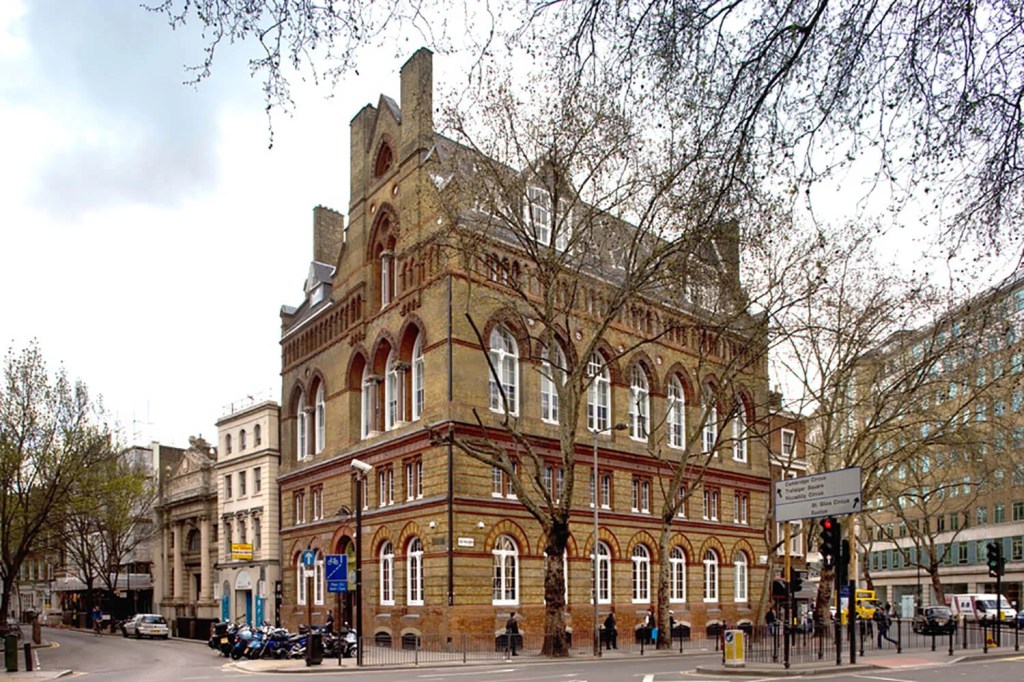
The Paul Thompson episode at International Times was not the only memorable encounter between hairies and skinheads. You may remember the London Street Commune from Part I of our walk: the motley collection of hippies, freaks and would-be Hells Angels who had occupied the listed mansion at 144 Piccadilly. Following their highly publicised eviction, members of the Commune, led by Phil Cohen – then known as ‘Dr John’ – moved into another squat at 83 Endell Street on 21 September 1969, only a short walk from the International Times offices. Originally built in 1860 as St Giles’ National School, a vast Victorian Gothic elementary school, the building had long since ceased to serve its original purpose. By 1969 it stood empty, making it an obvious target for London’s growing squatter movement. The photograph here captures one of the inevitable confrontations with local skinheads, who had once again turned up to take the law into their own hands.
But then the story takes an unexpected turn. A former London Street Commune member later recalled on the Dialectical Delinquents website:
Some of those who managed to avoid being nicked, but not part of Rawells’ clique, then went on to squat a place in Endell Street, near Covent Garden, and were then reinforced for a while by the dribble of people being released on bail from prison. A meeting of ultra-left supporters – us, anarchists, libertarians etc. was held with some of the Commune at Freedom in Whitechapel when some skinhead guy came in with a ‘comrade’ and said he could bring his gang in to discuss things together, especially our common hatred of the cops. Everyone said, “Sure”, and the next moment about 25 skinheads walked in. For a moment I thought there was going to be a fight, considering what had gone on at Piccadilly, but in fact they genuinely wanted to talk (it is possible that they hadn’t heard about the air-gun/carpet bowl battle). It shows how gangs and sub-cultures at that time were far more open and fluid and less rigid than they are now: it would require a massive social crisis, brought about by the increasing mass of marginalised individuals themselves, for such a possibility to return.
The Commune’s stay in Endell Street proved as short-lived as its occupation of 144 Piccadilly. The group eventually drifted east to the Freedom anarchist bookshop in Whitechapel, where members slept on the floor and continued their unlikely dialogue with local skinheads – if I’m not mistaken, the very gang later studied by Susie Daniel, Pat Doyle and Pete McGuire in The Paint House (1972).
Phil Cohen aka ‘Dr John’ went on to become a cultural theorist, spending the latter part of his career at the University of East London. Around ten years ago I toyed with the idea of interviewing him for Creases Like Knives about all these encounters between the London Street Commune and skinheads. As so often happens, I kept putting it off – and unfortunately, Cohen died in November 2024.
Current status: Today, the former school still stands almost exactly as the London Street Commune found it in September 1969. The Gothic facade, complete with its ‘NATIONAL SCHOOLS’ inscription, survives largely intact, although the classrooms have long since given way to a St Mungo’s hostel providing accommodation and support for at least some of London’s shamefully large homeless population.
Music: The Beatles – ‘Come Together’ The Hot Rod All Stars – ‘Skinhead Speaks His Mind’
Now that we’re in Endell Street, we might want to stop over at some of the second-hand and vintage clothing shops in the surrounding streets. Rokit Vintage Covent Garden (42 Shelton Street), Wow Retro (179 Drury Lane) and Pop Boutique (30 Short’s Gardens) are all within walking distance and well worth popping into.Leaving Pop Boutique, we turn left into Neal Street. We arrive at our next destination after barely a minute.
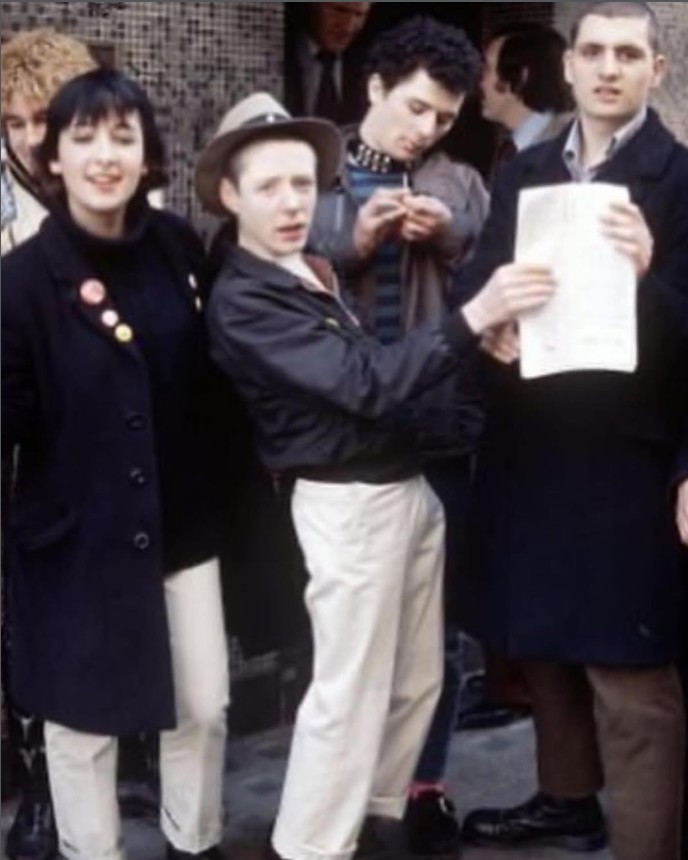
Skins outside the Roxy, 1978
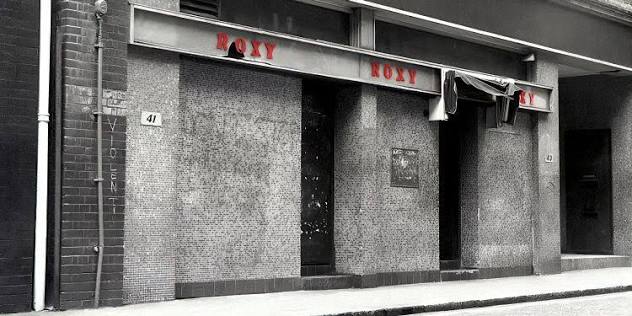
The Roxy, 41–43 Neal Street, Covent Garden.
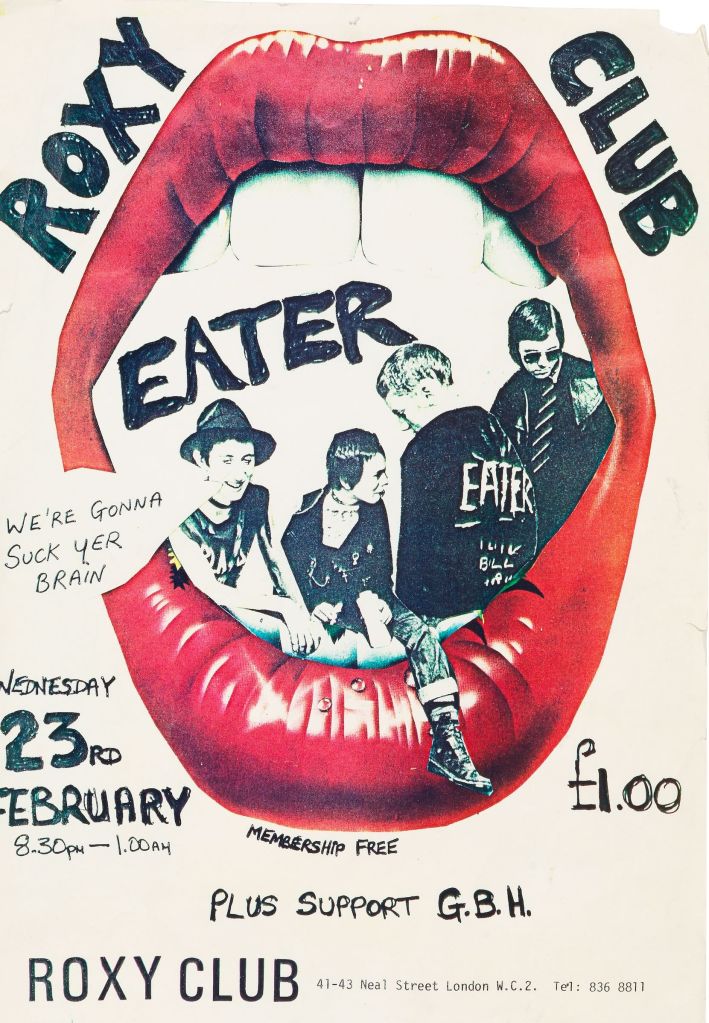
This was London’s first club devoted entirely to punk, and one of its most influential. Opened in December 1976 by Generation X manager Andy Czezowski, the Roxy quickly became the epicentre of the city’s punk scene, hosting many of the bands that would define the movement’s first wave.
Among those drawn to the venue were some very young skinheads. Over at Subcultz, a skinhead who grew up in Somers Town, near Euston station, recalls how easy it was to drift down to Neal Street:
“It was only a short walk down to the Roxy as well, so it was close to us and we used to just hang out there. We heard that Dee Generate out of Eater was our age [15 at the time], so we thought, ‘Let’s have some of that’. Some of the punks were a bit creepy and a bit too arty for my liking, but I went with it. There was some crumpet, but the girls were all a bit weird with suspenders and stuff, and their knockers were sticking out of bin liners”.
At this early stage, the boundaries between the punk scene and the skinhead revival were not yet entirely fixed. Some moved between both worlds:
“My jeans were scruffier, but I still wore my black Peyton Place [Harrington] jacket and my Fred Perry tennis shirt, as we used to call ’em, not polos – they was well cheap then down Petticoat Lane or Roman Road. I always wore my DMs, and my hair was a bit above number 2. I was a punk, but I always stayed a skinhead”.
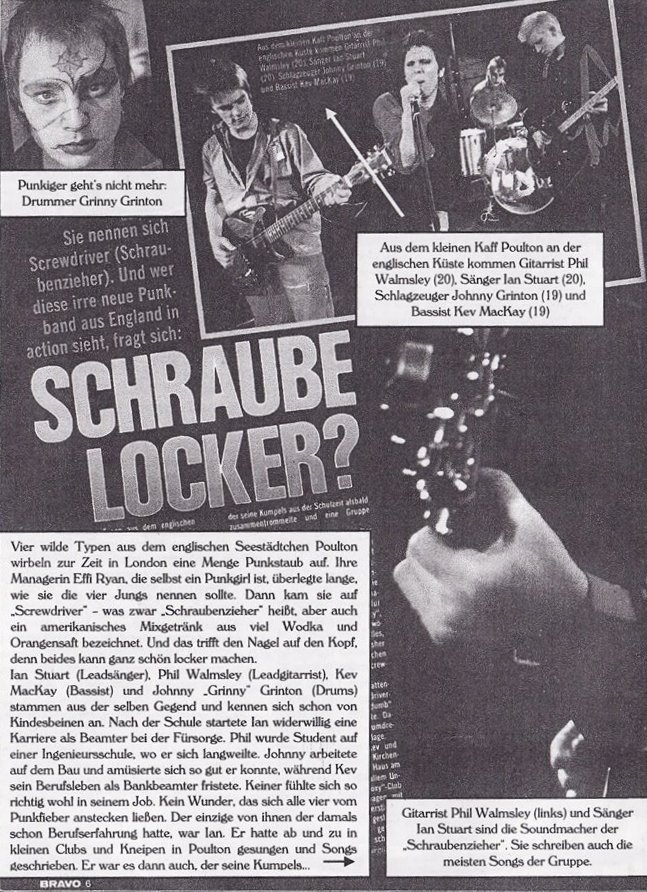
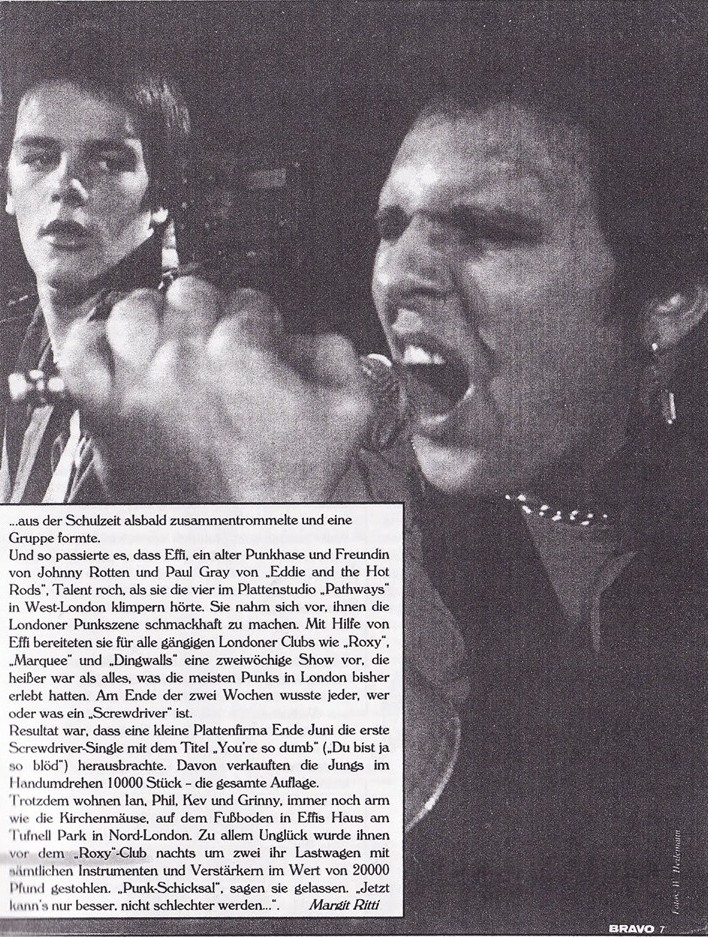
Promo shots of early skinhead-era Skrewdriver, with Stuart sporting scruffy sta-prest trousers adorned with seemingly random zips, spring to mind. They, too, seem to capture that ‘transitional moment’. When Skrewdriver first played the Roxy, on 16 April 1977 alongside Johnny Moped, however, they were still simply another punk band. Drummer Grinny played with a drum stick taped to his hand as he had suffered an industrial incident, and after another Roxy night, the band managed to have their van with all their equipment stolen. Still, their stint of gigs at the club earned them write-ups in the New Musical Express and the Sniffin’ Glue punk zine, as well as a double-page spread with live photos of the “four wild guys from Poulton” in Germany’s biggest teen magazine, Bravo.
Ironically, the Roxy also came to represent everything the Oi generation would come to despise about the punk scene – it was a place packed with ‘poseurs’ and some of the future elite of England’s fashion, design and media worlds. This was particularly true of the club’s first incarnation under Czezowski and his partners Barry Jones and Susan Carrington – the venue’s golden age as far as the ‘poseurs’ were concerned, later mythologised as the 100 Nights at the Roxy.
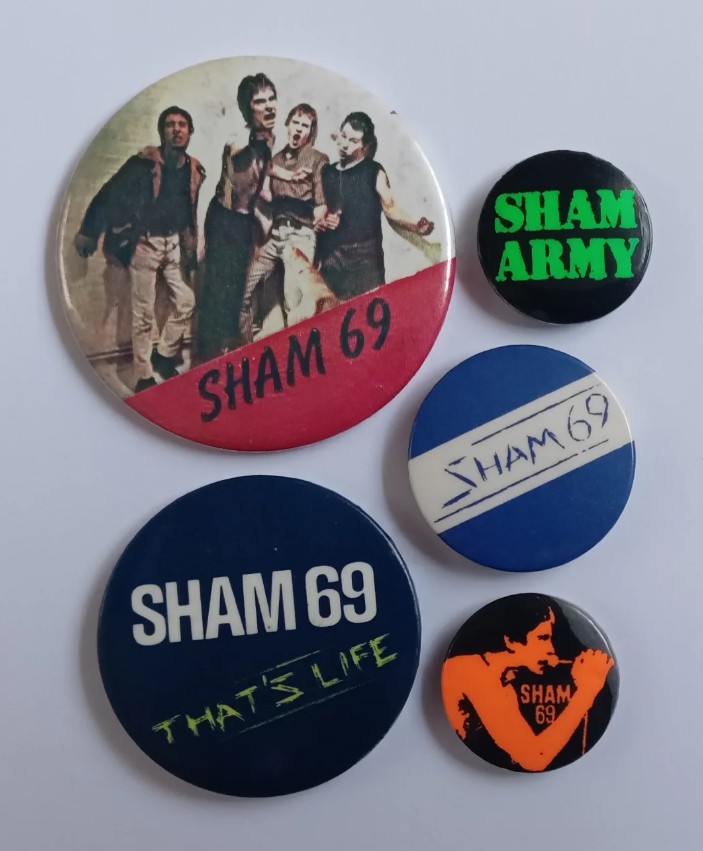
When Czezowski and his partners were forced out over unpaid rent in May 1977 and replaced by a new management team, the venue continued hosting punk gigs for another year. The vibe changed, and the venue became important for the nascent skinhead revival when Sham 69, Skrewdriver, Cock Sparrer and Menace – the first ‘street punk’ bands catering to a croptop or football hooligan crowd – began playing there more frequently. This was the early prototype of Oi, though only Cock Sparrer hailed from East London. Allegedly, it was at the Roxy that the connection between Sham 69 and the revived skinhead scene was first forged.
Jon Savage wrote rather sniffily:
‘Skinheads are back!’ Jimmy Pursey had yelled in November [1977], and he reaped his reward as the goonsquad often associated with that subculture wreaked havoc at several Sham concerts, most notably at the London School of Economics on 4 February, where they chanted ‘Sieg Heil’, posted Nazi stickers and did £7,500 worth of damage. Fascism was breaking out all over.
– Jon Savage, England’s Dreaming
Jimmy Pursey later claimed that the link between Sham 69 and the revived skinhead scene was partly the result of misunderstanding:
Let’s really get to the truth of this other business of skinheads. What happened there was this, somebody in the audience shouted out at one of the gigs at the Roxy ‘Skinheads are back’, to which me, being a little skinhead from 1967 where it lasted for about six months, and if you didn’t go to fuckin’ school with a shaven head you would get the crap kicked out of you and which 90% of kids at that particular time in 1967 had, you would then understand that someone shouting that out in 1977 would bring a sarcastic reaction from me, as normally things like that do. As ‘yeah mate, yeah your O.K. sure they are…blah, blah, blah’, to which someone took it upon them to say that I was saying ‘Yeah, they are back aren’t they.’
Contrary to Jon Savage’s account, the skinheadification of Sham must have begun earlier than November 1977. Remember that by October Skrewdriver were playing the Vortex under the explicit premise that, unlike Sham 69, they were ‘real skins’. The roots of this rivalry likely stretched back to the early summer. On Thursday 9 June 1977, the two bands shared a bill at the Roxy, where both were already attracting a skinhead following. According to Skrewdriver bassist Kevin McKay, interviewed by Paul Marko for The Roxy London WC2, this is what happened:
We attracted skinheads from Chelsea, West Ham and Arsenal and they all came to see us. Ian would go out fighting with them afterwards because he loved all that type of crap and all the fans loved him. So when we did a double headline gig at the Roxy with Sham 69 we played first. When they played, our skinhead fans were running on stage and booing them because Sham didn’t go out fighting with them. It was a bit sad really because it wasn’t about the music, it was just the fighting.
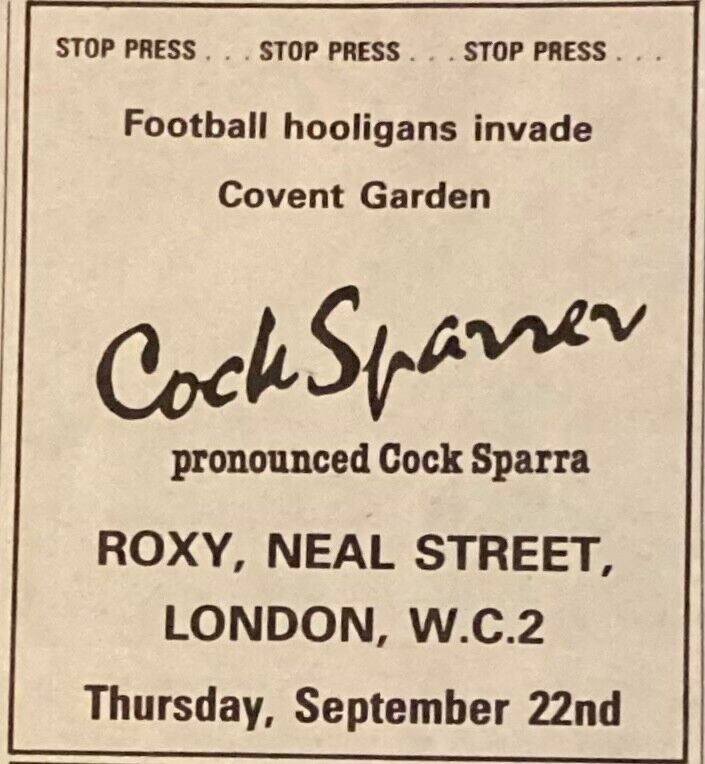
Meanwhile, Cock Sparrer – who would later remember “writing on the wall of the Roxy loo” – released two singles on Decca that year: Running Riot in May and a cover of the Stones’ We Love You in November. In photographs, vocalist Colin McFaull variously sported Harrington jackets and crombies, while the band made it clear in interviews that they played ‘skinhead rock’, not punk rock. Whether this was a wiser commercial move than advertising their September Roxy appearance with the slogan ‘Football hooligans invade Covent Garden’ is debatable.
First-wave punks, in any case, were not enamoured of the clientele when bands such as Sham and Sparrer began showing up. Viv Albertine of The Slits recalls in her memoir that night buses home from the Roxy were “dangerous, full of skinheads and drunks” – though others have questioned that memory, pointing out that skinheads were still only a small presence at the time (see our interview with Andrew Gallix). As we have discussed on our social media before, Albertine’s book features many encounters with menacing skinheads across different time periods, some of which are highly unlikely to have taken place.
Operated: 14th December 1976 – 24th April 1978
Current status: At the time of writing, the Neal Street frontage is occupied by Mr Jones Watches, a ‘quirky’ independent watch designer and retailer. The building itself retains its original street frontage, and in 2017 a People’s Plaque was installed at first-floor level commemorating the site as: “The Roxy: legendary punk club, 1976–78”.
Music: Eater – ‘Fifteen’ (from Live At The Roxy London WC2 compilation) Slaughter and the Dogs – ‘Runaway’ (from Live At The Roxy London WC2 compilation) Cock Sparrer – ‘Running Riot’ Skrewdriver – ‘Better Off Crazy’ Sham 69 – ‘What Have We Got’ Menace – ‘Screwed Up’
Here are some notable (from our point of view) gigs at the Roxy:
Date
Bands
13 January 1977
Eater
17 January 1977
The Damned / Eater / The Boys
3 February 1977
Eater / Johnny Moped
4 February 1977
Chelsea / Cock Sparrer
9 February 1977
The Vibrators / Eater / The Rejects
13 February 1977
Johnny Thunders & The Heartbreakers / Eater / Chelsea
23 February 1977
Eater / Great British Heroes (G.B.H.) / The Rejects
17 March 1977
Eater / The Lurkers
23 March 1977
Eater / Sham 69
16 April 1977
Johnny Moped / Skrewdriver
9 June 1977
Skrewdriver / Sham 69
1 July 1977
Wayne County & The Electric Chairs / Alternative TV / The Tones / Skrewdriver
8 July 1977
Skrewdriver / Renoir
15 July 1977
Eater / Bethnal
16 July 1977
Sham 69 / Stiletto
29 July 1977
Dead Fingers Talk / Cock Sparrer (billed as “Cock Sparra”)
12 August 1977
Ed Banger & The Nosebleeds / Sham 69 / The Now / The Members / The Victims
Leaving the former Roxy club, we turn onto Neal Street and head north, passing through the narrow lanes and busy thoroughfares of Covent Garden. Continuing towards St Giles High Street, we arrive at numbers 61–62. We are now in St Giles, the old neighbourhood north of Covent Garden.
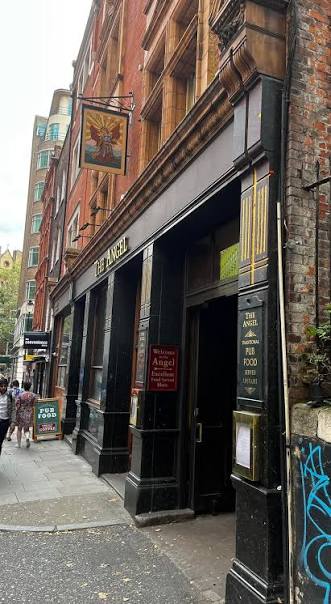
The Angel, 61-62 St Giles High Street.
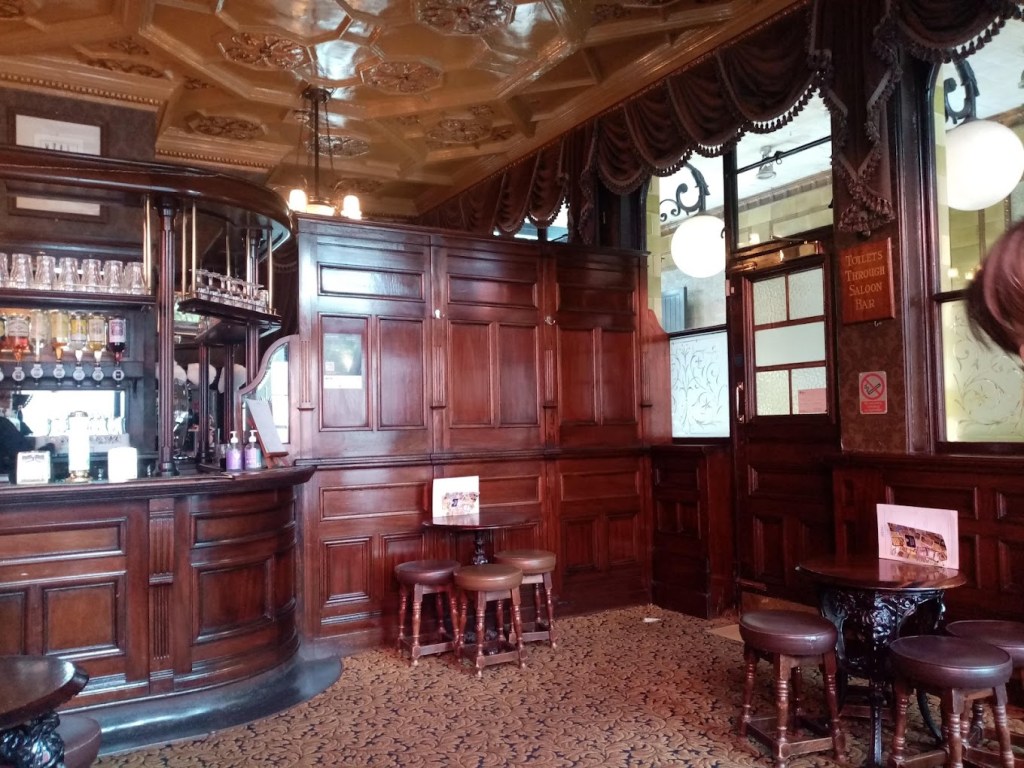
We’re now at The Angel, a pub where I occasionally enjoyed sinking a pint – and by this stage of the day you might well be tempted to do the same. Just check the prices first.
One Saturday night in early 1977, if his account is to be believed, a young Suggs met up with a few friends here before heading on to the Roxy. The pub itself had a long and rather darker history: traditionally, it was said to have served as a stopping point for condemned prisoners on their way to execution at Marble Arch.
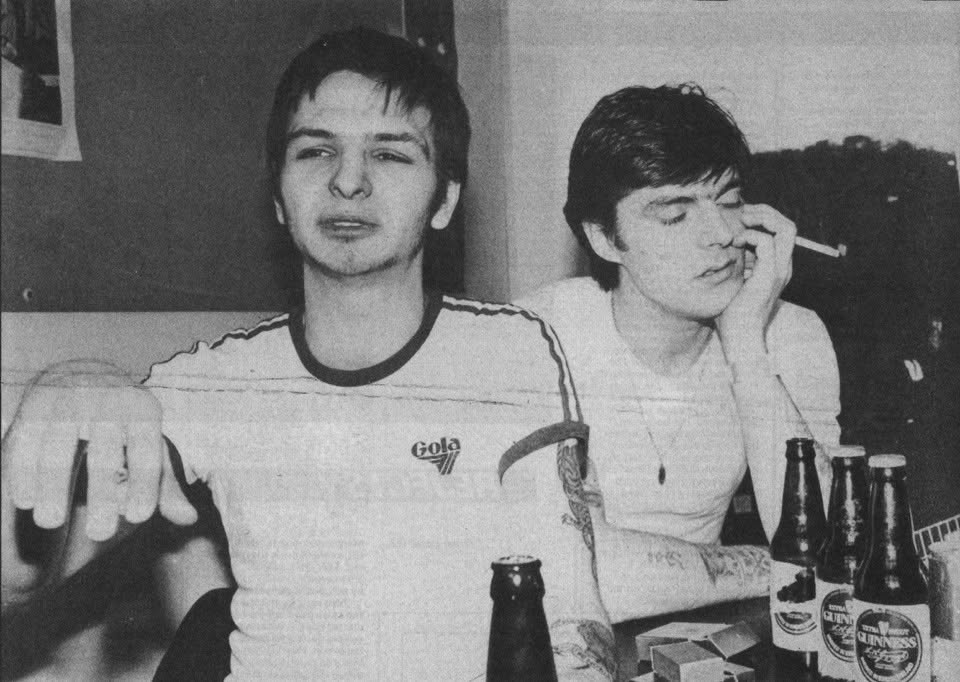
According to an interview that early skinhead revivalists Gary Hitchcock, Panther Cummings and Terry Madden gave to Sounds magazine in 1980, this particular gathering was a meeting of skins. Suggs, however, remembers a more mixed crowd. In his 2009 autobiography Suggs and the City, he describes arriving to find:
“On arrival, was met by a crowd of proto-punks and kids in a mixture of skinhead and mod gear … Pubs that didn’t ask too many questions about age were at a premium. This one was normally half empty, even on a Saturday, so no questions were being asked, even if the governor was far from friendly as he stared witheringly at us while polishing glasses and chatting to a few old darzers at the bar. Much merriment and appreciation greeted my new outfit; a great night was in store”.
What happened next varies slightly depending on who you ask. According to Suggs, trouble arrived in the form of a group of Charlton Athletic supporters:
No sooner had I ordered a pint at the bar than the door flew open and twenty Charlton fans appeared, swaying in the doorway and obviously up for it. Bumping into disparate bands of football hooligans was an occupational hazard on a Saturday night out in the ’70s, so we weren’t overly shocked at their sudden appearance. Word had got around that the Roxy was a hotbed of punks and weirdos, and football hooligans of the more conservative type were coming up to town, post-match, for a spot of recreational aggro. Within seconds, a Wild West scenario ensued, bottles and bar stools going in all directions.
Gary Hitchcock, however, gave a rather different explanation in Sounds. In his version, the Charlton supporters were former skins themselves:
The Charlton mob got the hump because we were dressed like skinheads and they’d been skins the first time round, And also, ironically, because one of our number was a black kid. There was a lot of eyeballing, things were said and before long they steamed into us and battered us. The following week there were only half of us left, but that was a good thing because the ones who stayed were hardcore.
Gary Bushell later described the incident in Hoolies as a “historic ruck”, and there seems little doubt that he, Hitchcock and Suggs were referring to the same confrontation. It is worth noting that, despite Suggs’s own involvement in the skinhead revival scene, the word skinhead appears only twice in his entire Suggs and the City book. Perhaps he consciously de-skinheadified the episode with a view to the general readership, figuring that a more generic narrative of ‘punks and weirdos’ would me more audience-friendly?
Whatever the exact composition of the crowd, Suggs’s description of the aftermath captures the chaos of the night:
We were well outnumbered and started to make a tactical retreat towards the far end of the pub and the side exit. All except my mate Andrew, who, having swiped three pints of lager off the bar, was going in the other direction, backing into the ladies’ loo – any port in a storm. I turned to see a fist coming straight for my nose. I ducked and it missed, only to be met by a Dr Martens boot right between the eyes. I went down and the back of my beautiful aquamarine jacket flipped over my head. Oh Lord, let no beer go over it!
Pretending I was dead, while the smashing of glass and stamping of feet reverberated through the floorboards around me, I peeped out from underneath my jacket to see my mates scattered, apart from Andrew, who was successfully disappearing into the ladies’, still clutching the beer. I don’t know exactly how long all the mayhem lasted, but it felt like a lifetime, as I did my level best to lie still and silent on the floor. Finally, just as I was beginning to think I’d never make it out of the pub, never mind to the Roxy, the boot boys tired of their sport and moved on to pastures new.
Eventually, the fighting ended, and the battered survivors regrouped:
One by one we emerged from our various hiding places and reconvened at the bar, remarkably unscathed considering the state of the pub. Camaraderie confirmed and stories exaggerated, we downed what was left of our drinks, headed out into the sodium-yellow night and were soon piling down the dingy stairwell into the Roxy.
Suggs recalls that Eater played at the Roxy that night and that Johnny Rotten was serving drinks at the bar upstairs, although his memory may be unreliable here. Eater appeared at the venue several times in 1977 and 1978, but available gig listings do not record them ever playing there on a Saturday.
Current status: The Angel is now a known Sam Smith’s pub with a traditional though potentially expensive atmosphere.
Music: The Wailers – ‘Hooligan’
COMING SOON: PART 7 – CHARING CROSS ROAD TO HOLBORN
 Creases Like Knives