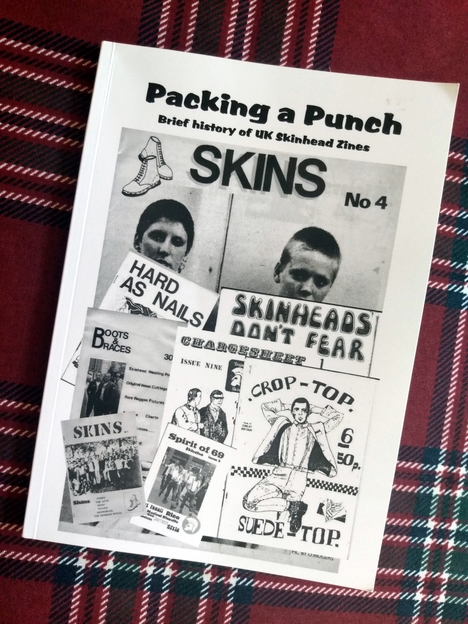
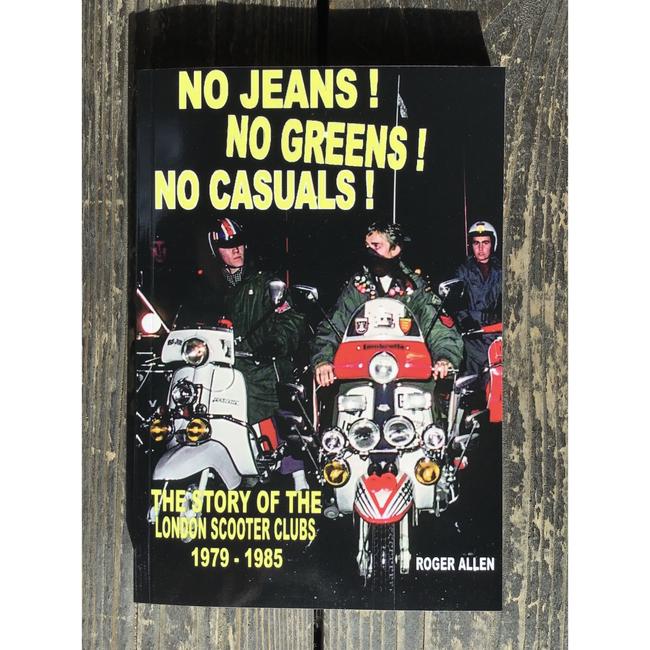
Packing a Punch is that rare thing: a documentation of 80s British skinzines completely without celtic crosses or crude drawings of glue-addled ‘super skins’. And it isn’t a coffee-table book either. Instead, it’s brogues, Jaytex and razor partings all over – the focus is on what the author considered the rightful heir of the original skinhead, namely the ‘sussed skin’ of the 1980s. This scene, from which George Marshall also emerged, was based around zines such as Spy Kids, The Bovver Boot, Tighten Up and The Suedehead Times. And the little book at hand that guides us through their evolution is a kind of zine too, written by someone who was part of it all. He’s still around today and as committed as ever.
The history kicks off with Skins, the original croptop zine edited by a Chelsea FC and Sham Army skin named John Smith from late ‘79 or early ‘80 – the exact date is hard to establish – and printed by the Last Resort shop in the East End. While reporting on contemporary stuff such as the Southall ‘81 riot, Skins also had an acute sense of tradition: there was always room for Motown, reggae and original skinhead history in its pages. Skins ran for five issues, the contents of which are all listed individually – a treatment awarded to all zines discussed in Packing a Punch.
Continue reading



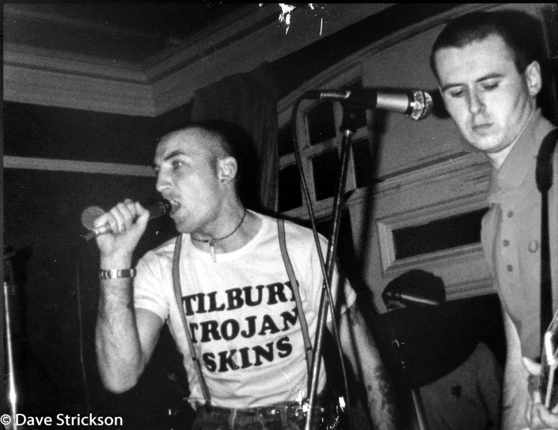
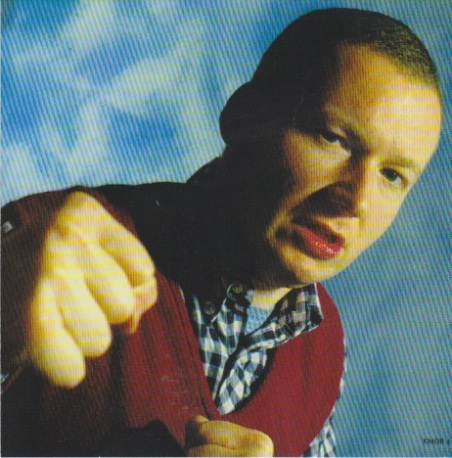
 As with Defiant Pose (1991), Red London (1994) and Tainted Love (2005) before it, Stewart Home raided his record collection for this novel’s title, epitomised by mean and moody rocker Kip Tyler’s smouldering classic single. ‘She’s My Witch’ has been covered by several artists since its 1959 release, most notably in a Cramps style by the Panther Burns (1987), woozy garage rockers the Fuzztones (1992) and most recently psychobillies The Radiacs (2010). I mention these only as Home’s own musical tastes and live forays, particularly to Dalston’s Garageland, get frequent mentions and largely fuel the online relationship which unfolds between the novel’s two protagonists, Vespa-riding personal trainer (and former skinhead) Martin Cooper and video editor Maria Remedios, a former dominatrix more likely to be found in bars with Hells Angels and skinheads than behind an editing suite in her native Spain (in one Facebook message she rues how the latter are now all “just fat middle-aged men”). This in itself opens up the time and place of the novel, East London in the post-financial crisis, pre-Brexit era (understandably as this is published on John King’s London Books imprint, the jacket text goes in heavy on this) where personal wellness and the creative industries meet, mutually reinforcing. As London riots then prepares to stage a few weeks of global sport, Martin and Maria get further acquainted on social media and commence the exchange of favoured YouTube clips of garage rock and proto-punk and the odd cult film trailer.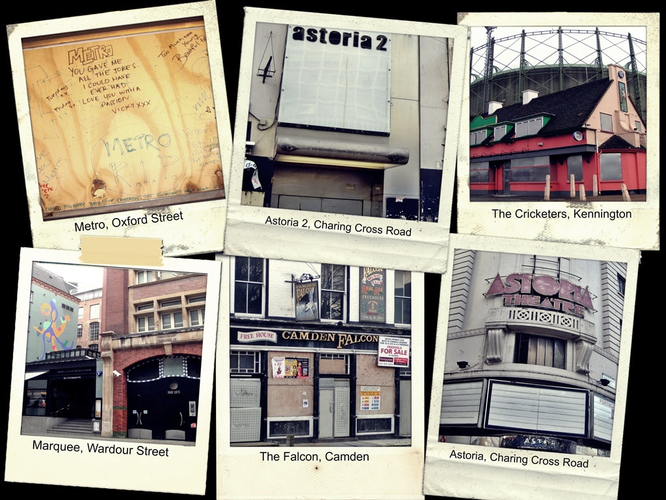
 Creases Like Knives