Vincent’s original introduction:
Hi everyone,
Back in the early 2000s, I got to know Ben through his fanzine Une Vie Pour Rien. In the spring of 2021, he approached me about doing this interview for the fanzine Couvre-Feu. I wasn’t particularly keen at first, but then one day I sat down with him and his partner Karott around a table, and we ended up recording three and a half hours of conversation.
They transcribed it, I went through it and rearranged a few things, then asked my mates Laurent Laloue, Blam, Vince Verre Cassé and Tramber to give it another read to make the whole thing a bit easier to follow… I hope you enjoy this rather mild-mannered exchange.
See you,
Vincent
Ben: Do you remember when you first started listening to rock music?
Vincent: You mean like the Village People?
Ben: No, after that.
Vincent: When I was about eleven, in 1981. At the parties, we used to listen to a lot of ‘Back in Black’, ‘One Step Beyond’ and ‘I Love Rock ‘n’ Roll’. That was the rock holy trinity at parties round our way: AC/DC, Madness and Joan Jett. After that, there was my mum’s little collection of 7-inch singles, which included things like the Beatles’ ‘Help’, for example. That’s quite a rock song in its own right, with all that screaming for help.
Karott: I used to listen to my dad’s Beatles cassette too!
Ben: Ah! We weren’t on the same team, then. Mine was the Rolling Stones’ Satisfaction on 7-inch. Right from the start, I was never a Beatles man…
Vincent: Well, never mind. They’re a bunch of dodgy bastards anyway. (laughs)
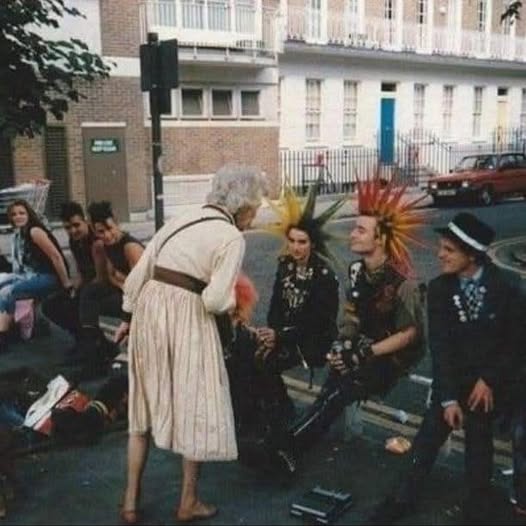
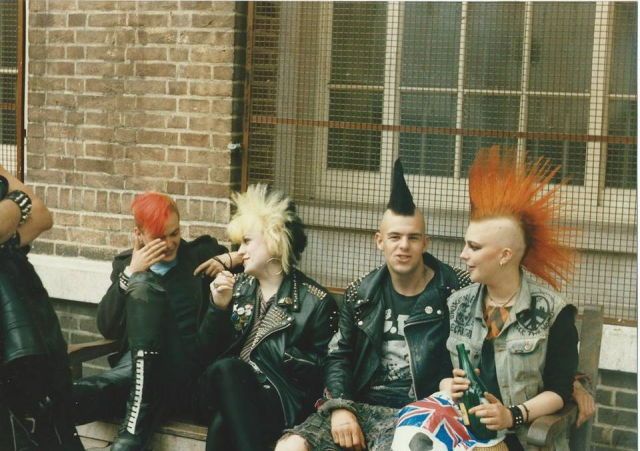
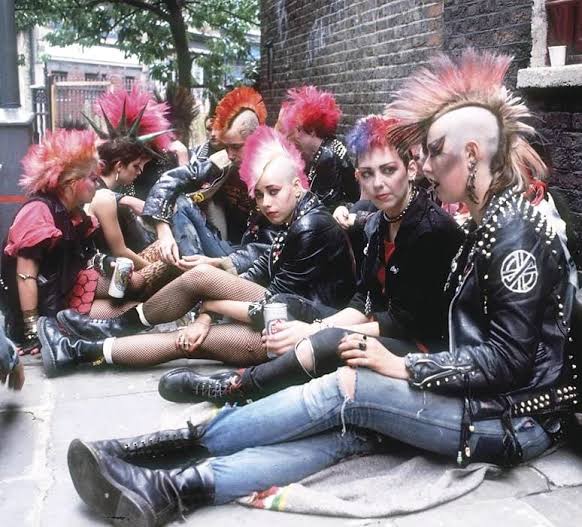
Then I got into punk in 1982… My mum was a secondary-school English teacher, and she took her Year 9 or Year 10 class on a two-week trip to England in March or April. She asked if she could bring her two boys along as well – eleven and twelve years old. We spent two weeks in London and Cambridge, visiting all sorts of places, from Shakespeare’s house to various parts of the capital. The groups of punks there had a really impressive look to them. Loads of studs, huge colourful mohicans – pretty intimidating. Just visually, the contrast with all that British traditionalism was quite something!
When I got home, I asked my cousins, who were three or four years older than me, whether they’d heard of punk. They were more into Pink Floyd and The Police, but my female cousin was going out with a punk. That’s who the little list of about twenty punk bands I should listen to came from. The bloke going out with my cousin was Saturnin, whom I got to know two years later.
There’s a bit of a family connection with rock music, actually. My cousin Jean-Michel was the guitarist in Alladin Sane [a glam, post-punk and new wave band from Caen active in the late 80s – Ed.], and in 1990 he produced the 90 de Rock compilation albums featuring bands from Caen. At the same time, he was booking bands for the Rock Garden, a live music bar, and even put on a few punk bands, including the English groups Four Guns and Red London, as well as the Happy Drivers.
Around that time, someone also suggested I listen to the request show on Radio UHT to broaden my musical horizons. It was a local radio station based in a tower block in Hérouville-Saint-Clair, which went out several times a week at around six in the evening. I’d phone in from time to time to request a track. That’s how I discovered all sorts of different bands from Gogol Premier to UK Decay, although I preferred hardcore punk: The Exploited, GBH and the whole British scene featured on the Punk and Disorderly compilation albums.
The request shows were often presented by Coco, whom I met in 1985 when he was working at the Nuggets record shop. He was a former bass player with Les Innocents. I remember chatting to him on several occasions while he let me listen to records in the shop. And I remember this little incident a bit later on: he’d put a pile of Skinkorps’ Une force, un hymne 7-inch singles behind the counter and said to me, “Here, buy this record. You should like it – they’re mates of mine from Rouen”.
When I was about fourteen, I spotted a bloke on the bus wearing Doc Martens, so naturally I went over to talk to him. There were a hundred kids on that bus taking us home from school, but I was obviously destined to hit it off with this particular one! He was Finger Moloko, from Giberville, and he soon invited me round to his place, as we lived barely a kilometre apart. That’s where I met Saturnin and two or three others. They had a punk/skunk look, but they weren’t skinheads.
This was around the time the Oi! compilations were coming out – Carry On Oi! and Oi! Oi! That’s Yer Lot, for example. We’d put in group orders with New Rose through the Paris shop’s mail-order service. I usually went for hardcore punk (Chaotic Dischord, Anti-Nowhere League), while they went for Oi (The Business, The Oppressed, Peter and the Test Tube Babies)… And we’d all look forward to listening to the records together when they arrived.
In the neighbourhood where I lived, pretty much all my mates, including my brother, were getting into hard rock and Renaud, who was putting out some really good albums at the time [singer-songwriter popular in the 1970s and 80s, known for his distinctly French working-class songs combining social commentary and humour – Ed.]. Some of them weren’t as lucky as we were – one lad’s mother had committed suicide… There were a few who were really into firearms, which scared the shit out of me. And as for tattoos, my brother had already got some by the age of twelve! Compared with his crowd, I was the quiet, shy one.
Ben: Were those guys – Finger and the others – part of the same crowd as Brainwash, the band from your town? [local punk/skin band with an early Skrewdriver-like sound – Ed.)
Vincent: No, Brainwash were quite a bit older than us – about five to ten years older, in fact. Brainwash formed in 1978, when I was only eight… Finger and Saturnin were seventeen in 1985, two years older than me…
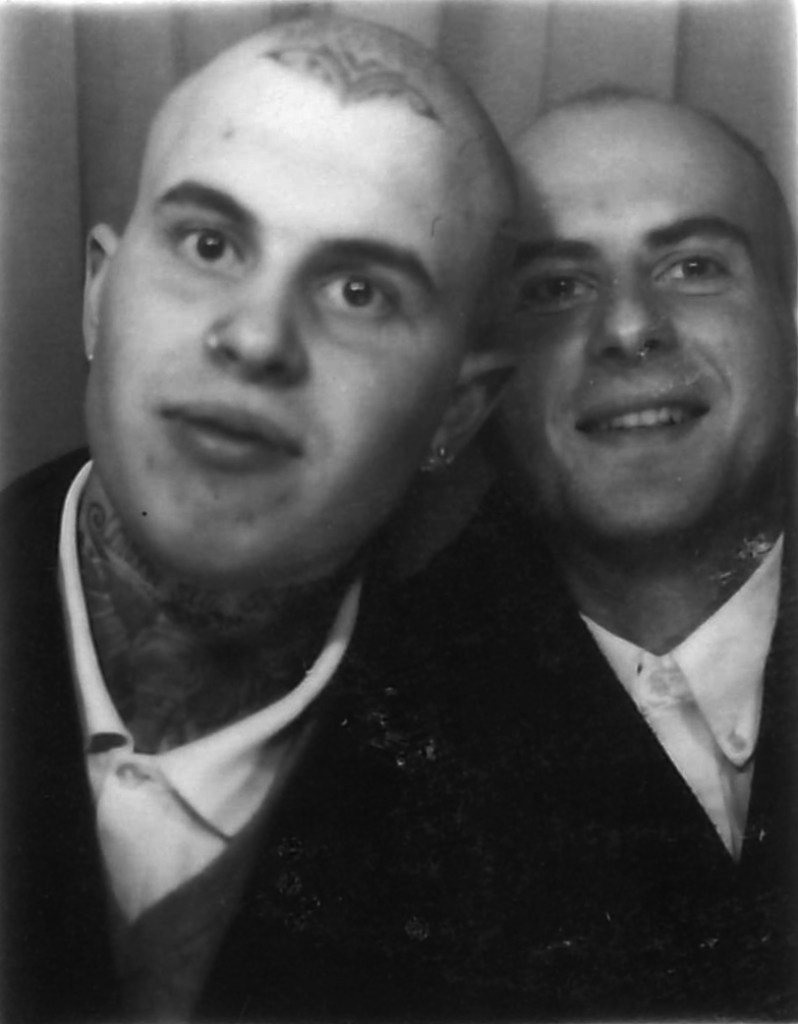
If I remember right, I met René and Marshall from Brainwash at Jacky’s tattoo parlour on Rue Démolombe. Their mate and ‘manager’, Dom Pipet, was there too. At the time, he was putting out a pretty wild fanzine called Anthrax, which I think mixed punk and Oi.
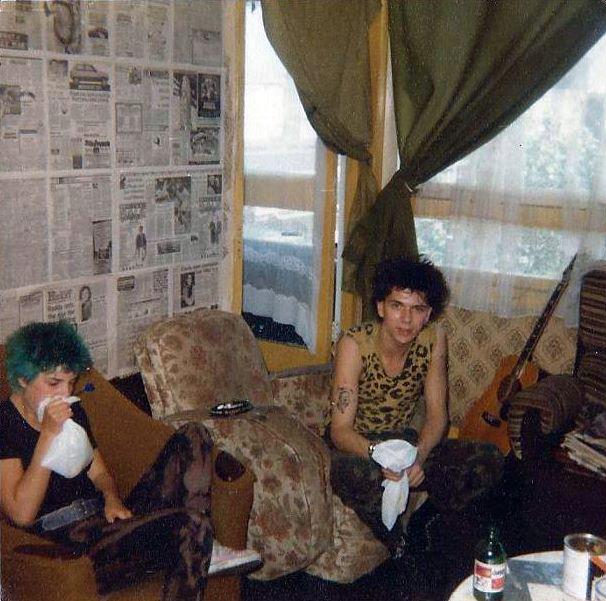
In 1985, I met a ‘punk tramp’ called Muppets, along with some young people who were living in hostels. They used to hang around and beg for money to buy beer, sitting on a public bench at the end of the street where Nuggets was. Place de la République was only a hundred metres away, and it was a great place to hang out. So instead of going to school, I’d spend time with this crowd who had completely dropped out of society.
I remember Stéphane ‘l’Apache’ was going out with a girl who looked in a really bad way behind her dark glasses. She was half asleep, and the next day I heard she’d died. That was my first real shock when it came to drugs – hard drugs, that is. I’d get drunk with my mates now and then, but it was only occasional. It was around this time that a punk girl from Condé-sur-Noireau gave me the nickname Bébé Skin.
By the time I was sixteen, I was starting to build up a bit of musical knowledge and would chat to older guys, particularly at the record shop. The record racks were full of all sorts of different stuff: classics like Nina Hagen and PiL albums, as well as UK Subs and The Cramps, right through to the Chaos en France compilations. We were lucky to have some good record shops in Caen.
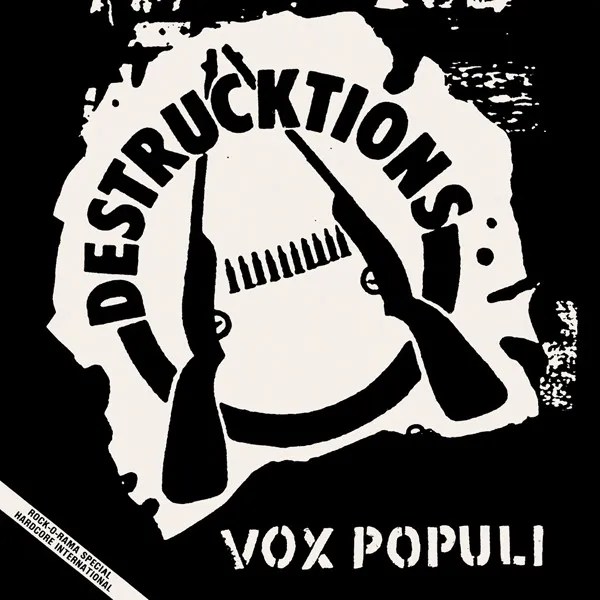
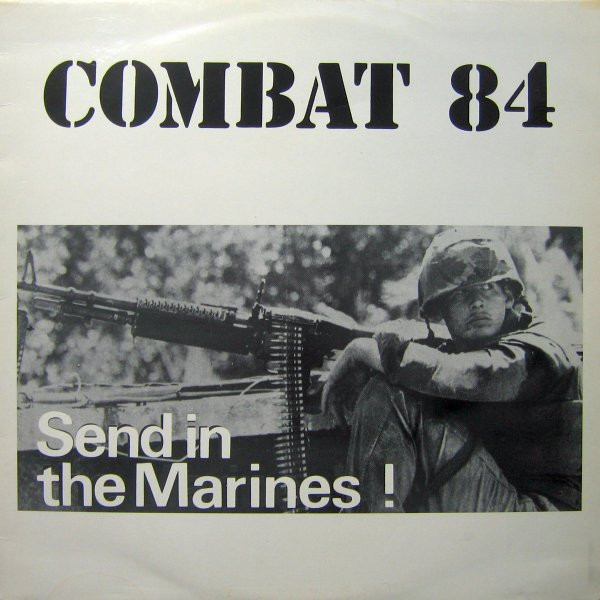
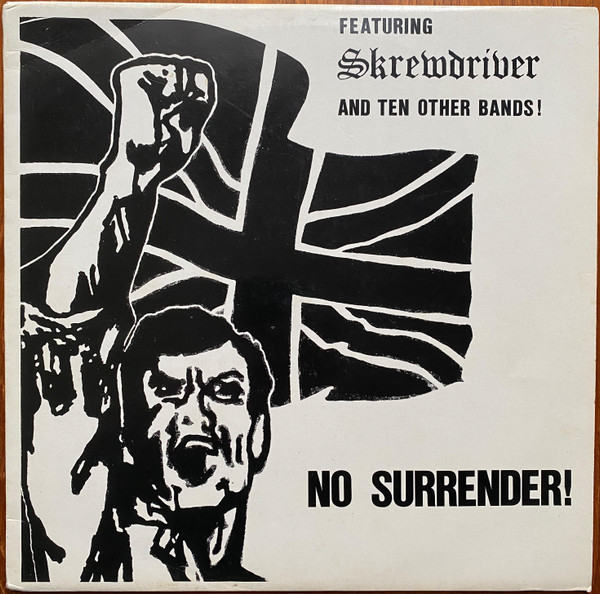
I could sense that the scene was changing in ways I couldn’t make sense of. Just look at the German label Rock-O-Rama, which had released dozens of hardcore punk albums by German and Finnish bands, but was now turning towards Skrewdriver and Brutal Attack… The imagery and album sleeves really stood out in the record racks, sitting alongside the likes of Subhumans. This ideological mixture existed for a few years. I remember the Rebelles Européens catalogue, which later, in 1987, was offering the first RAC records, as well as the catalogue for the Syndicate label, with all the records by The Business, Cock Sparrer and The Gonads, among others, and plenty of good bands with no connection to racism.
All of which is to say that the atmosphere in the punk scene was pretty strange!
Whenever I went into Caen and met up with the punk crowd, I came away thinking it was a shame they were wasting themselves – there had to be more to punk than that.
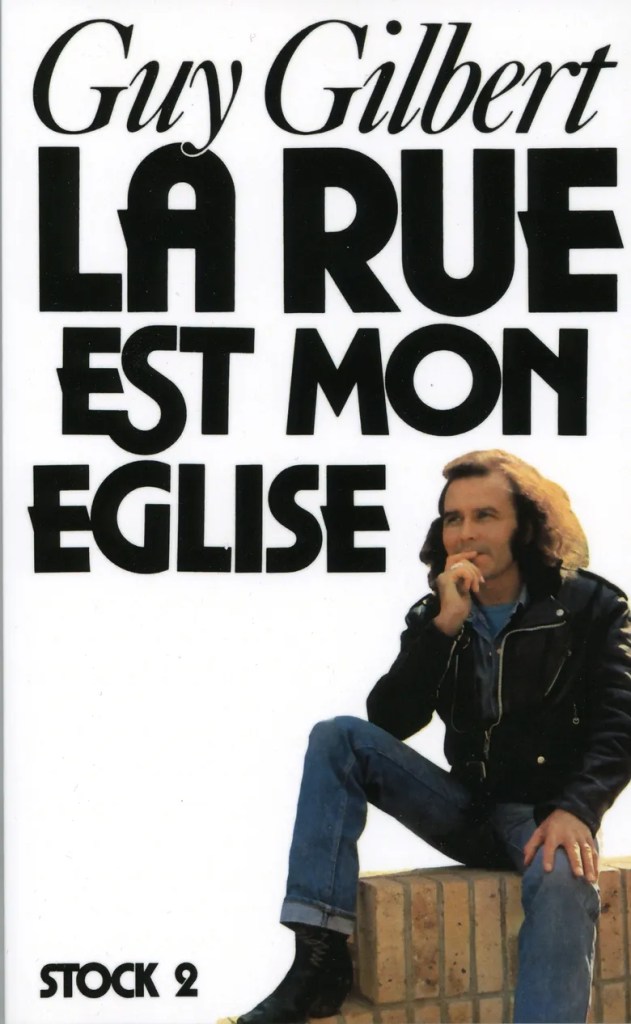
My parents divorced when I was 10, and it’s always left me in a pretty gloomy mood. I don’t know whether you could call it depression. I had a couple of uncles who were very different from my father. One of them lived in Paris and was involved in humanitarian causes, along the lines of Guy Gilbert, the priest who worked with rockers… I was brought up a Catholic, and I liked the humanitarian side of it. I was quite moved by it and admired people who devoted themselves to that sort of work. But as for the crucifixion and reciting prayers, I turned my back on all that pretty quickly, after my second communion at the age of twelve.
In 1986, just before the summer, I shaved my head. I’d come home to my mum’s one day with a pretty outrageous mohican, and it had really upset her! She’d only just got out of hospital with a broken arm, and I felt like a bit of an idiot. That summer, I spent a week in London with my father, whom I hadn’t seen for five years, and my mate Rico from Giberville. It was a real breath of fresh air to walk around and get to know more of this great city. We even spent an evening at Highbury, on Arsenal’s massive terraces. Like pretty much all kids, we loved football.
Shortly afterwards, in September 1986, I started at technical college. There were a few psychobillies and punks there, including Olivier ‘Requin’, who would become the drummer in Traces seven years later. We got on well and swapped cassette tapes…
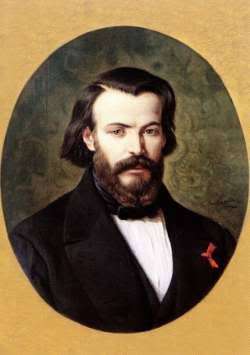
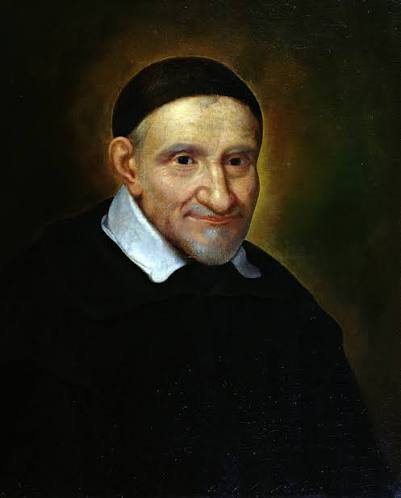
Then came the October half-term holidays, and a small funfair set up in the square by the church in Giberville, our suburb. I was hanging around there with the little crowd from the neighbourhood when this tall bloke came over. He said to me, “You’ve got a good look about you, so I should introduce you to some more serious lads. You must think along the same lines as me – National Front and all that”. [meaning Jean-Marie Le Pen’s French National Front, not the British NF – Ed.] My brother got pissed off… But I replied, “Well, we’ll see what your mates are like, but yeah, I’m interested in meeting some skinheads in Caen”.
Whenever I went into Caen and met up with the punk crowd, I always came away thinking it was a shame they were wasting themselves with drink and drugs, and that there had to be more to punk than that. This bloke, on the other hand, made it quite clear that he wasn’t a skinhead himseld; he was in the FNJ [National Front Youth], and he had a baseball bat sewn into the lining of his jacket!
So we arranged to meet on the Saturday and go round to his mate’s place, but he had me changing buses twice. I eventually asked him what the hell he was playing at, and pointed out that I could read street signs perfectly well…
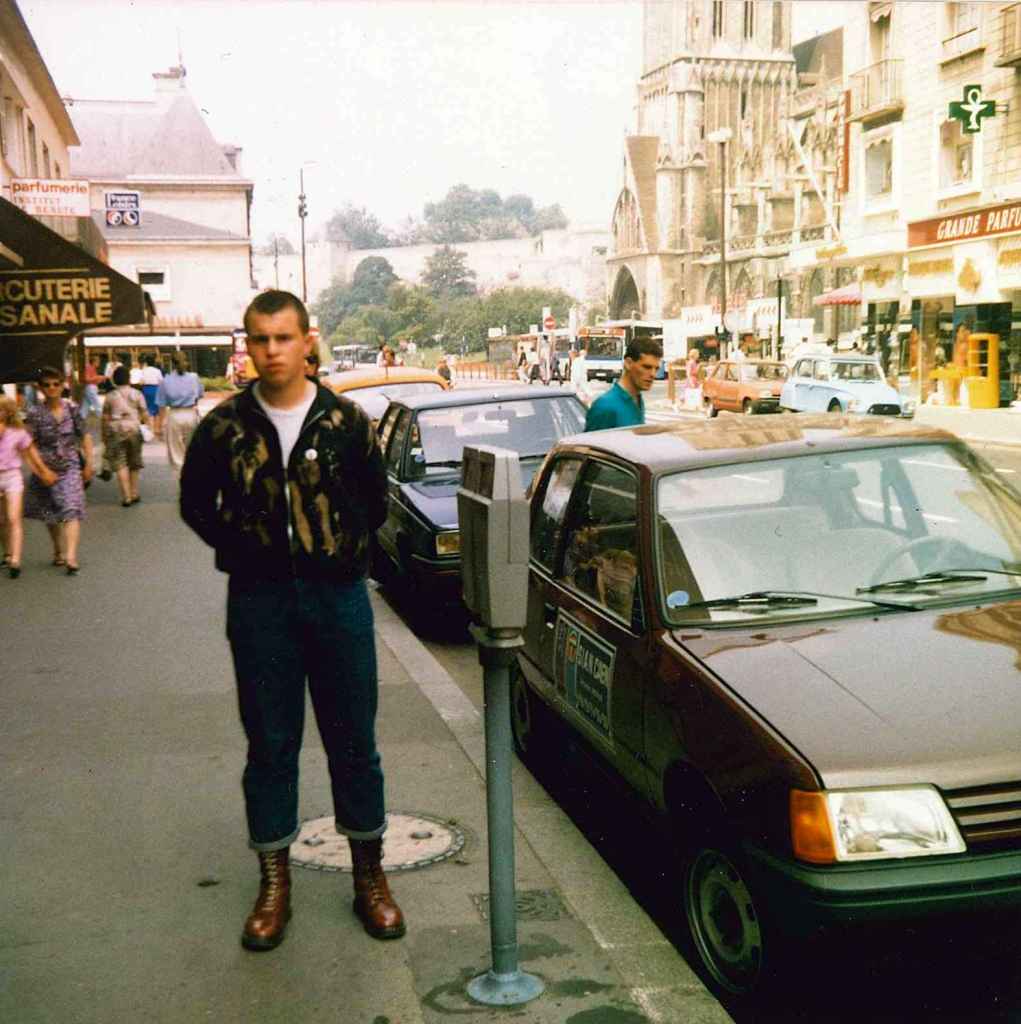
We arrived at Michel’s place. He’d been a skinhead for years, since 1981–82, and his nickname was Aryan – pretty explicit! In the autumn of 1986, he’d just got back from a gig in England that had really annoyed him. It was in Suffolk, one of those infamous weekends organised by the Skrewdriver crowd, with five or six racist bands on the bill.
He said to me: “I’m not interested in the skinhead movement any more. All that showing off like Nicky Crane, all that wanking over clothes – what a load of bollocks. What interests me is the social struggle and the good things in life. I hate this system and the fucking politicians”.
He let me loose on his record collection, a shelf full of cassettes, and I’d borrow three or four every week. There was everything from Endstufe to La Souris Déglinguée, as well as stuff from the ska scene. What was really exciting for a kid like me was realising that this movement touched on all sorts of taboos, while at the same time being socially combative.
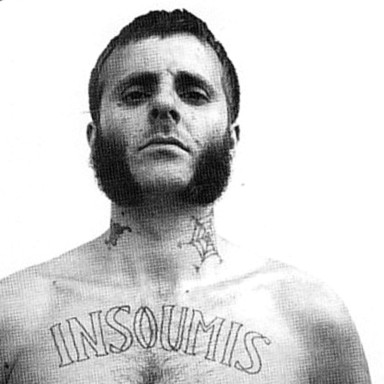
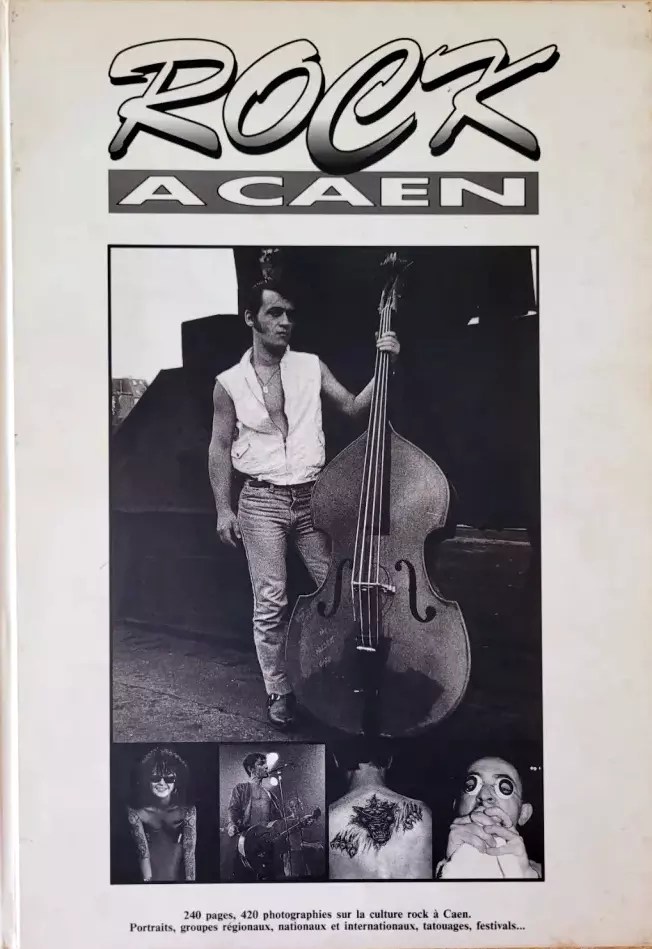
Michel must have been about twenty-three. Over the years, he moved more towards rock music, set up the Au Fond des Rues association, organised quite a few festivals, put together the photo book Rock à Caen, and recorded the album Sacré Lascar with his band Les Gens d’Ici, based on his own lyrics [released in 1994 on Bleach Records – Ed.]. He then opened the Garage Café bar right in the centre of Caen. We spent a lot of good times together between 1986 and 1990, going for walks with his dobermans or watching matches from the terraces at the Stade Malherbe de Caen (who had just been promoted to the top division). I remember meeting Michel, my ‘big brother’ in the skinhead scene, as if it were yesterday, because I thought he had tremendous charisma.
There was also the famous Erik from Saint-Lô, who would become the guitarist in Bleach Boys three years later. He was politically committed, though, and joined the PNFE as soon as it was founded in early 1987 [i.e. the ‘French and European Nationalist Party’, an organisation more extreme and explicitly neo-nazi than Le Pen’s National Front – Ed.].
I met Erik on the same day I first met Michel. We were out walking the dobermans when a Lada pulled up, packed with four smartly turned-out, clean-shaven skins who were on their way back from an Evil Skins gig that hadn’t actually taken place. They were laughing about it, even though they’d just driven 400 kilometres for nothing, and they offered to sell me the Evil Skins’ Docteur Skinhead 7-inch for twenty francs.
Ben: Did what Michel said have any impact on you – “I’m tired of all the showing off in the skinhead scene. What matters is politics and the social struggle”?
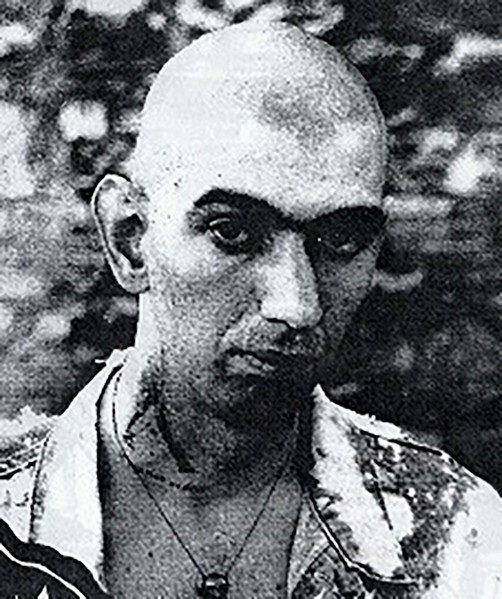
Vincent: No, the politics didn’t! At sixteen, all I wanted was to be a skinhead, show off in smart gear and buy good music. I was a big fan of the British skinhead movement of 1980, and I still had a soft spot for punk bands like One Way System. But with Michel, I could talk about skinhead culture. We’d get out of town and go for walks in the woods with the dogs. We had time to ourselves.
Ben: People have different sides to them. So, what you’re saying is that, after showing you the far-right side of things, Michel also showed you other aspects of his personality?
Vincent: His far-right political activities got him into trouble. I don’t think it was a question of different sides to his personality, but rather how people change and develop. In the end, he came to be respected by the rock scene in Caen, which I think was a positive development. I think his journey had an influence on me later on, unconsciously.
But to get back to late 1986, Michel also introduced me to Boni, who came from Lille but was going out with Véro, who was from Caen, so they were living there. Boni also taught me a lot about music. His tastes ranged from 1960s ska to obscure British punk rock records. He absolutely loved vinyl. He was the former drummer with Snix, whose second album had come out just a year and a half earlier. He wasn’t in a band any more, but he played guitar.
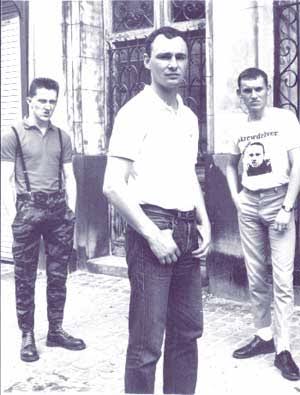
We saw each other fairly often, and in early 1987 he and Véro took me along in their car, which meant I was able to see my first gigs: nights organised by the Skinkorps lads at Guiseniers, about thirty kilometres from Rouen. The skinhead scene in Rouen was different from the one in Caen, of course. I discovered just how extensive the skinhead network was, and how, given the scarcity of gigs, people were prepared to travel hundreds of kilometres to attend them. The national connections through fanzines and record labels were great, too.
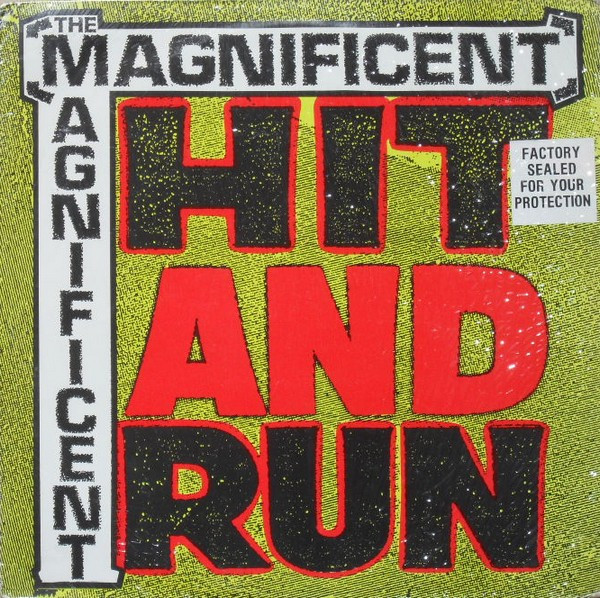
That was around the time Link Records came along. It was a welcome revival, a new lease of life for the Oi scene, which had fallen a bit dormant because of the violence in England. Mark Brennan was putting out compilations and releasing new bands like The Magnificent and Skin Deep, albums by The Business, and quite a bit of ska as well.
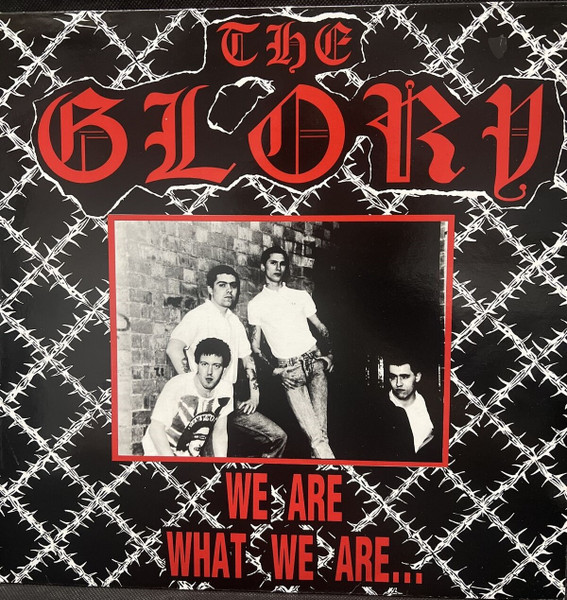
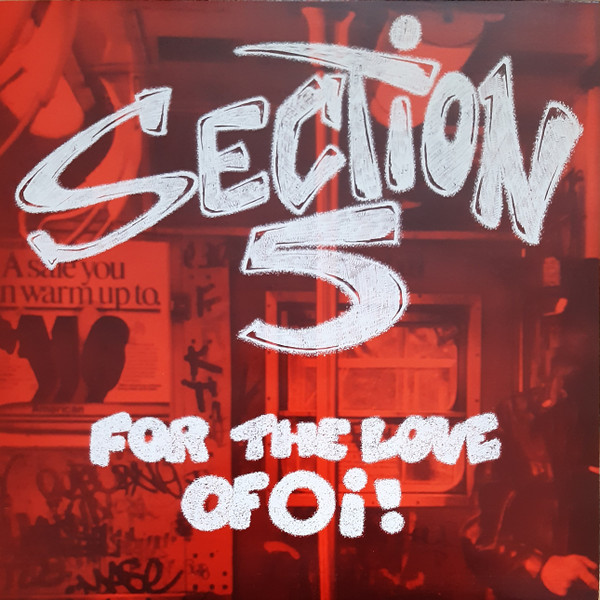
Karott: Do you remember any gigs from that year that really made an impression on you?
Vincent: The first one, obviously, at Guiseniers, with Condemned 84, Skinkorps and Brainwash. There must have been about 300 people in that little village hall. There were groups of skins from all over the place – Paris, Tours, Brussels. This was around the time when a few sensationalist magazines started publishing features on the skinhead gangs in Paris, which had a snowball effect, with more and more young people taking an interest in the movement.
At that gig, I didn’t see anything violent. The atmosphere was really good. The following month, we went back to Guiseniers for a night with The Business and Skinkorps, but the atmosphere was less relaxed there. There was a punch-up, and, more importantly, nazi salutes during The Business’s set. I knew perfectly well that The Business had nothing to do with racist rock, and at seventeen I was trying to see the good side of the scene: the smart gear, the tattoos – those nights with Oi mosh pits were brilliant!
We also went to see the Toy Dolls in Lisieux. What a band, and what a fantastic show! I nearly got beaten up that night by some pretty hefty punks, but Fabian, a well-known Paris skinhead, came to ‘rescue’ me. I was beginning to recognise some of the people who turned up at gigs, and Fabian was often there.
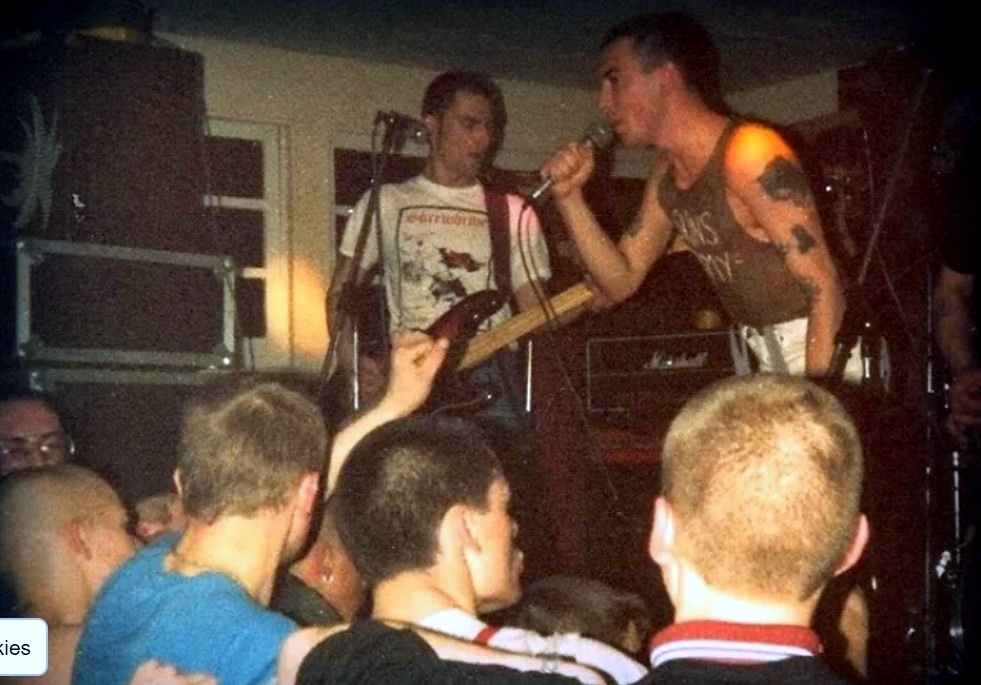
Ben: They made sure things stayed manageable, that they didn’t completely kick off…
Vincent: Yes, guys like Fabian or Sergio. Some gigs back then ended in total chaos, like the one in Hérouville-Saint-Clair with Komintern Sect and Trotskids, organised by Claude from the MJC [Maison des jeunes et de la culture, a local youth and cultural centre – Ed.]. Claude was also the one who set up the radio station 99FM in the basement of the MJC in Hérouville. It’s since been renamed 666.
His nephew, Boun, looked a bit like me, only bigger and more of a bruiser. When he was roughing up punks in the pogo, people used to mistake him for me. That did wonders for my reputation as a troublemaker – a reputation I didn’t deserve! RIP Boun.
Karott: Right, here’s the big question: were Brainwash a punk band or an Oi band?
Vincent: Hahaha, a bit of both, but three of them had an Oi look. If you look at them in the context of the 1970s, I’d say they were a skinhead band. But if you look at them in the mid-1980s, they were more on the punk side. When I saw them live in 1986, the skins weren’t into them. Their music was more rock ‘n’ roll and faster, at a time when Oi had become heavier. And the attitude of the band wasn’t about showing off Ben Sherman shirts and polished Docs. It was about turning up as you were.
There were quite a few skinheads in Caen, of different ages and temperaments. Some were old-school types, with a late-70s look, like the Brainwash crowd. Others, around my own age, were more or less politically involved, either on the left or the right.
The Brainwash crowd numbered about ten to fifteen, and had a skinhead culture dating back to the late 1970s and early 1980s. I met Pascal later, in the early 1990s, when Dom Pipet was planning to put out a CD by the band. Dom had made the group known within the fanzine network back in the 1980s, when the band members weren’t particularly keen on playing further afield or releasing a record. He’d put together a CD featuring their studio recordings, but nothing was getting finalised. So I looked up Pascal in the phone book and called him to give him a bit of encouragement, even though I barely knew him. In the end, the CD came out on Bleach Records.
It’s funny how one little phone call can get things moving again between two old mates who’ve lost touch. Since then, David, has put out a lovely 12-inch with Euthanasie, but the band should have done it while they were still together. They were a good band.
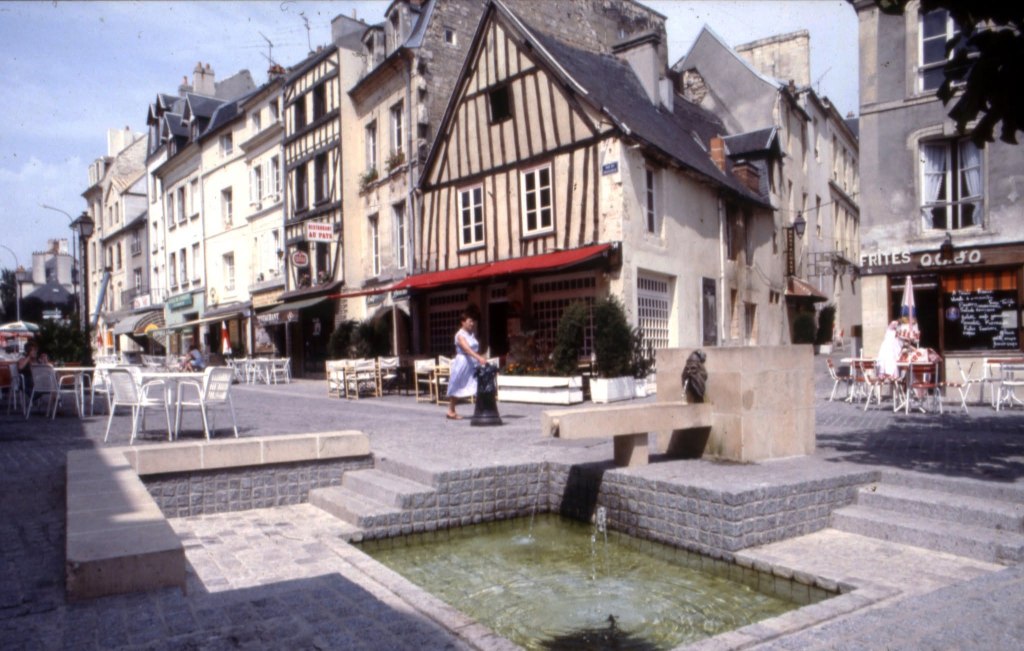
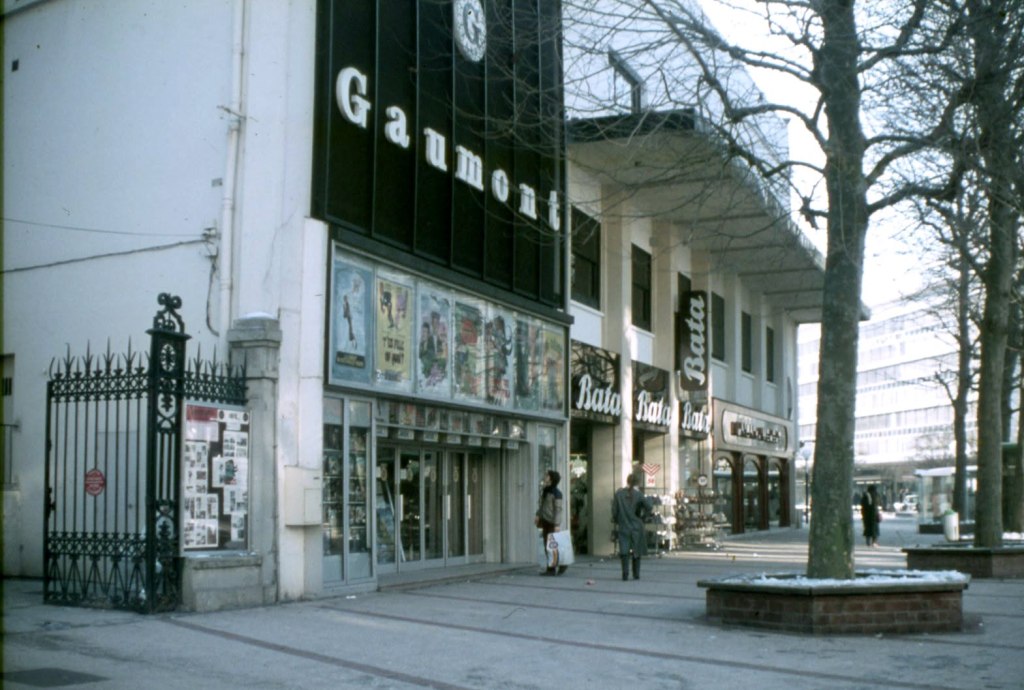
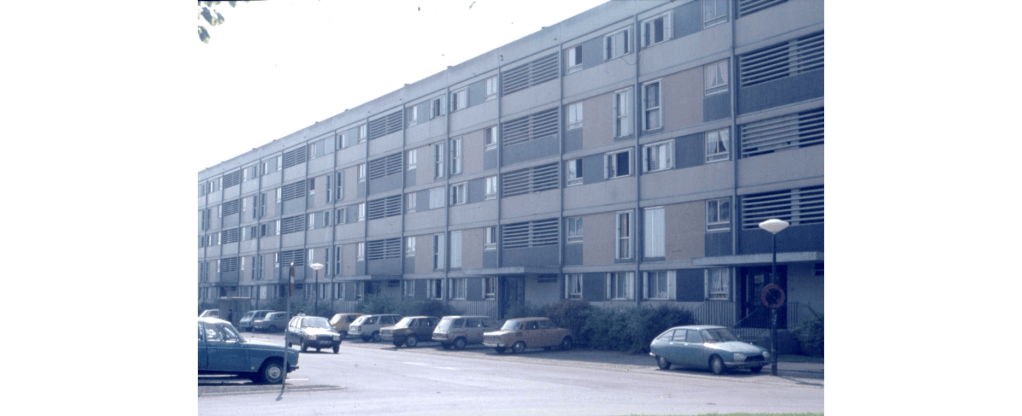
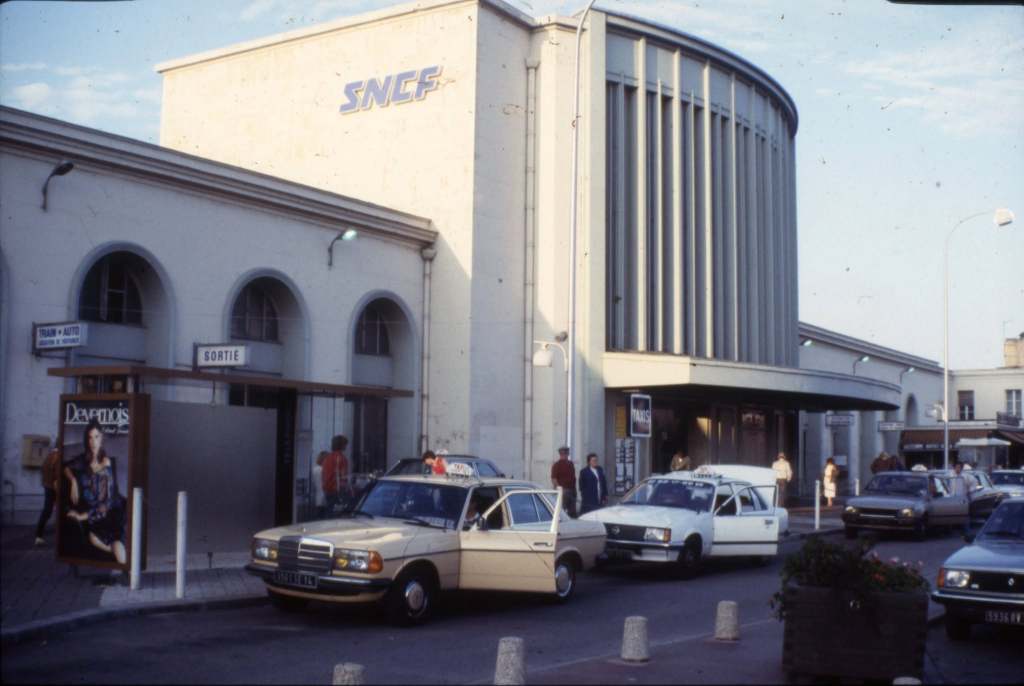
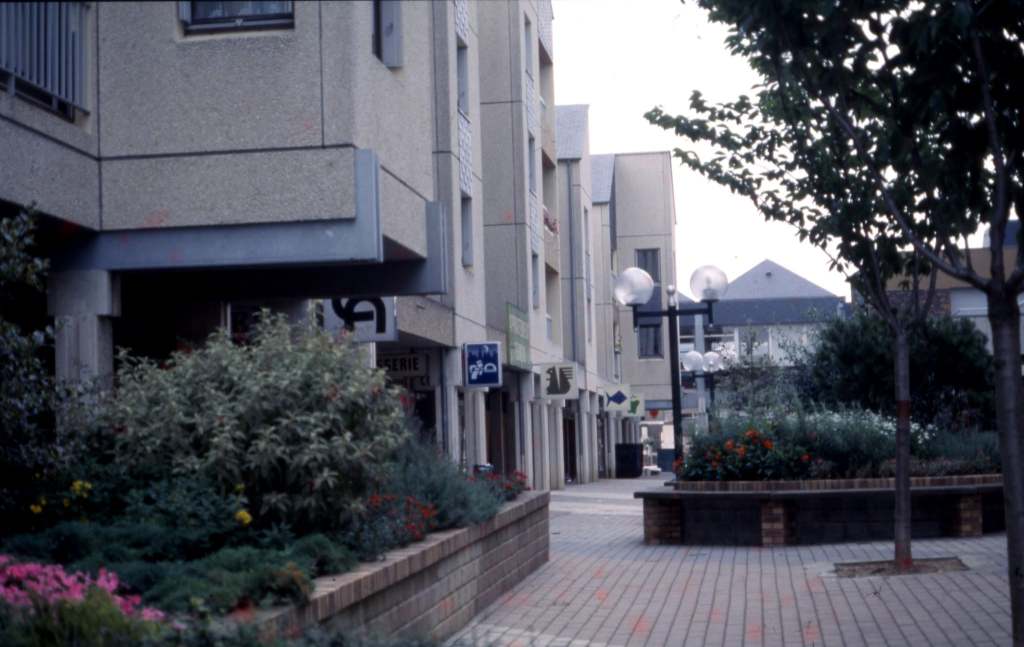
Caen in the 1980s
Ben: When I met them in the 2000s, they really stressed their working-class roots, in that very British way.
Vincent: Yes, exactly. René, the window cleaner; Pascal, the crane operator and docker from Blanville-sur-Orne… say no more! And as for their cover of Suzi Quatro’s ‘Can the Can’, that’s a ’70s glam-skinhead song, not a Business classic or anything like that. They also had their own nasty skinhead touch, with that logo of Boy George hanging from a gallows [We really need that one back – Ed.]. There were all sorts of characters in that crowd. Coco, whom I mentioned earlier, was the bass player in Les Innocents, a cold-punk band.
Ben: Pascal also told me that when they started seeing the political scene emerge in 1984–85, they wanted nothing to do with it.
Vincent: Yes, that’s how I remember it too. As I was saying, at that gig I was lucky enough to see them play, the audience completely ignored Brainwash, and you could tell they felt uncomfortable as a result.
The Brainwash crowd stood outside far-right politics. They were just a group of mates who liked getting together and having a good time. But as far as I was concerned, I’d met the lads from Saint-Lô and then, thanks to Boni and Véro, some of the people from Rouen, who were really nice and more numerous than we were in Caen. It’s difficult to paint a picture of that period, because the skinhead scene was synonymous with violence and racism. But plenty of people, like Boni and Véro, had absolutely no interest in any of that. They kept the working-class skinhead culture alive and were interested in all sorts of music, from ‘60s ska to modern Oi, as well as glam and ‘77 punk.
After discovering at fifteen that there was that fucking hard stuff out there that could kill people, I was now discovering a different kind of dangerous scene, with temptations that could be gentle or downright devilish!
I’d had a humanist and anti-racist outlook ever since I was a kid, which obviously clashed with those far-right ideas. But my curiosity was stronger. I had to discover that world.
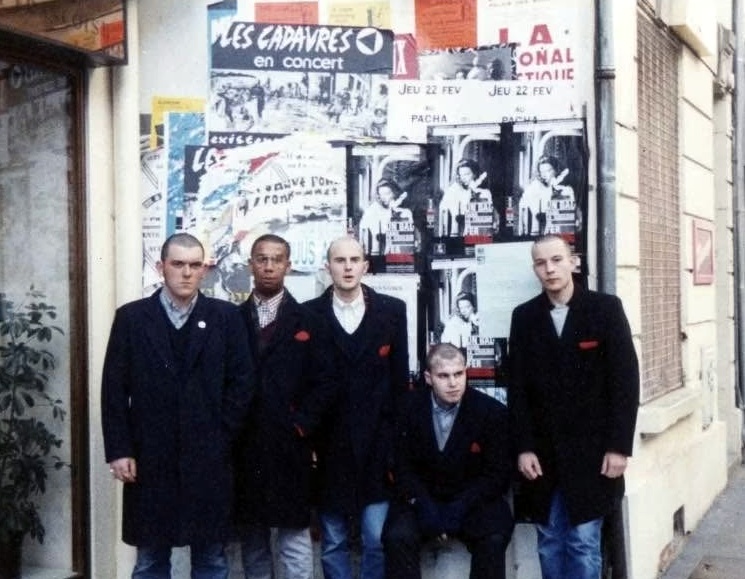
Ben: You spent that whole year, 1987, making all these discoveries, and you carried on all the same?
Vincent: Yes! Now you mention it, you really had to be a bit mad to continue in the skinhead scene. Especially as I’d had a humanist and anti-racist outlook ever since I was a kid, which obviously clashed with those far-right ideas. But my curiosity was stronger. I had to discover that world.
Ben: I didn’t get involved in the skinhead scene until a later period, but what you’re describing here is violence on every level: political, physical, drugs and getting wasted. And you, like me, don’t seem to be a particularly violent person…
Vincent: My life wasn’t physically violent, but mentally I was still that depressed, very antisocial kid. I was quite aware of how lucky we were to be French, while at the same time finding social inequality and the privileges enjoyed by a small minority – the rich – absolutely disgusting. The image of the movement, and the records coming out, were becoming increasingly violent. Take Légion 88’s Terroristes 7-inch from 1987, for example, with its lyrics that were blunt and chilling…
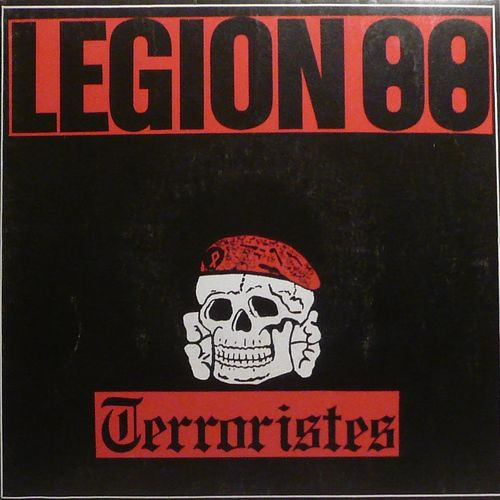
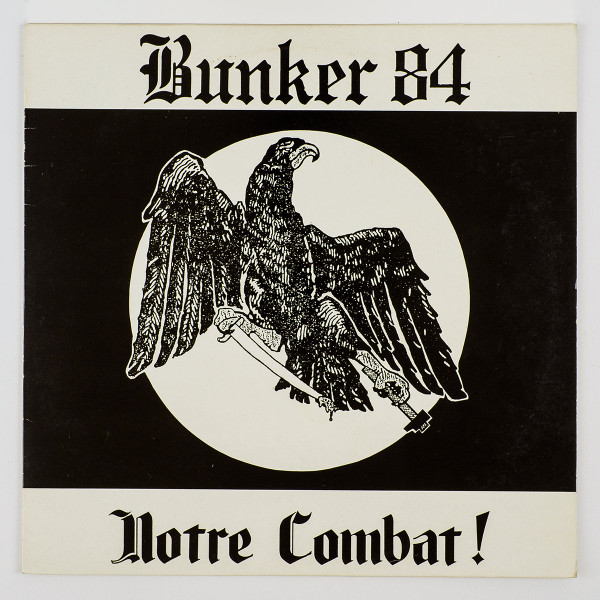
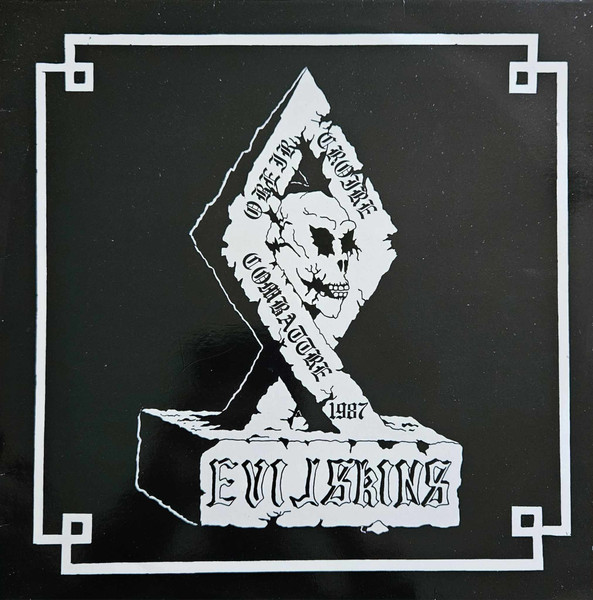
In Caen, there was a good atmosphere, and the fact that I was at Jacky’s tattoo shop virtually every day meant I got to know and have a laugh with all sorts of rockers, without any sectarianism. The music world was reassuring, too. From 1989 onwards, I worked part-time at Radio 666. Being the bad boy at school was funny, as was having my French teacher call me ‘the convict’, but once it came to working life…
I had some amusing encounters within the skinhead scene that I still remember more than thirty years later. When I was working in Nanterre in 1988, for instance, there was Nico from Mantes, whom I later ran into again on the punk scene. Then there was the London Styl [a skinhead/mod fashion shop in Paris – Ed.] where Bertrand and Willy (two former Evil Skins) were doing work placements. Bertrand and I used to have a good laugh because he had a healthy sense of self-mockery…
Patrick and Jean-Marc, the shop’s owner and assistant, knew the whole lot. The Chelsea opened later. At the time, I think Eric Saunier was still working as a chef in London. He was close to The Business, and his fanzine Strengh Thru Oi! was one of the best, and one of the very few around in France at the time.
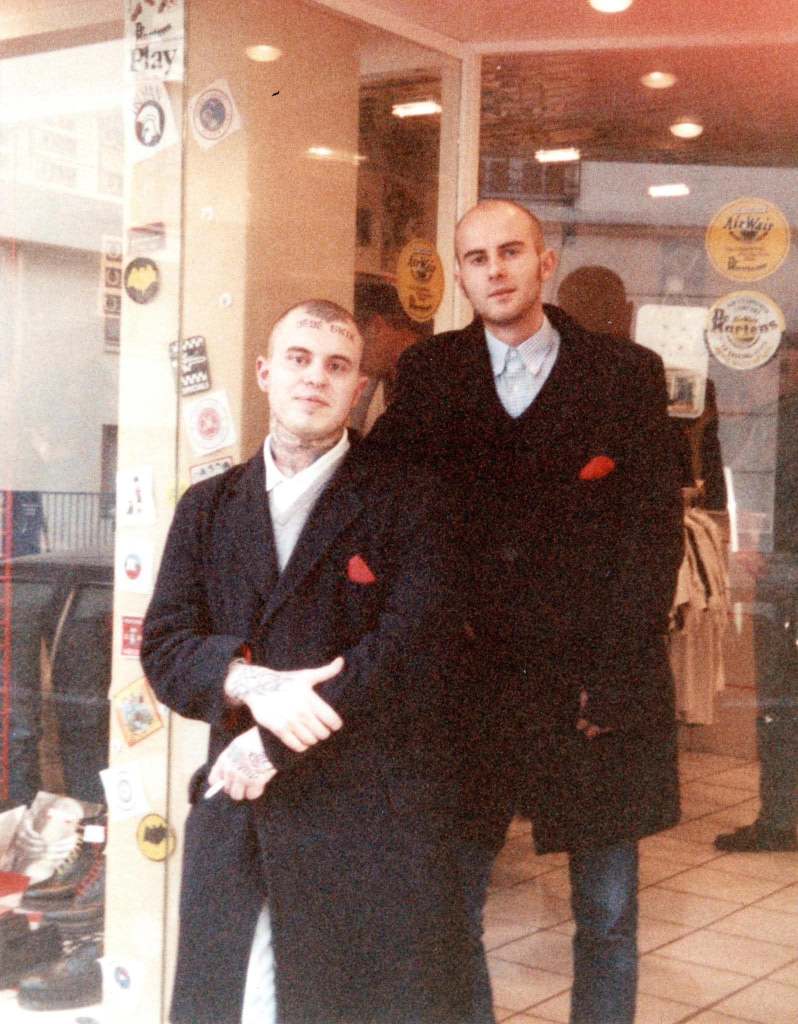
Ben: So, your experience of the skinhead scene wasn’t gangs of Parisian skins turning up at gigs and beating everyone up?
Vincent: I didn’t experience that period. I met a few real hard cases, people I’d been hearing about for years, like Sniff (the singer with Evil Skins), but that was later, and by then he was already in a wheelchair.
I also met some nice, funny people, like Bertrand, or Patrick, who hadn’t been a skinhead himself but had been a mod. He loved winding us up about it all day long, because in England, the fights between the two groups had gone on for years. Patrick had spent quite a bit of time in London and had bought up stock from the Last Resort shop when it closed in 1985. He’d known Géno from L’Infanterie Sauvage, and told us that the last time he’d bumped into him on a ferry, he’d found him changed, almost ghostlike.
He used to come out with some ridiculous things that wouldn’t make me laugh at all today, but which helped us relax: “Go on, admit you had an unhappy childhood. Give us a little Sieg Heil”. We could laugh at ourselves about some pretty grim things, because the places where we used to play as kids in Normandy were never far from cemeteries full of poor young lads who’d died as soldiers during the Second World War. Even thirty-five or forty years later, the ploughs were still bringing up bits of shrapnel in the fields around Caen every year…
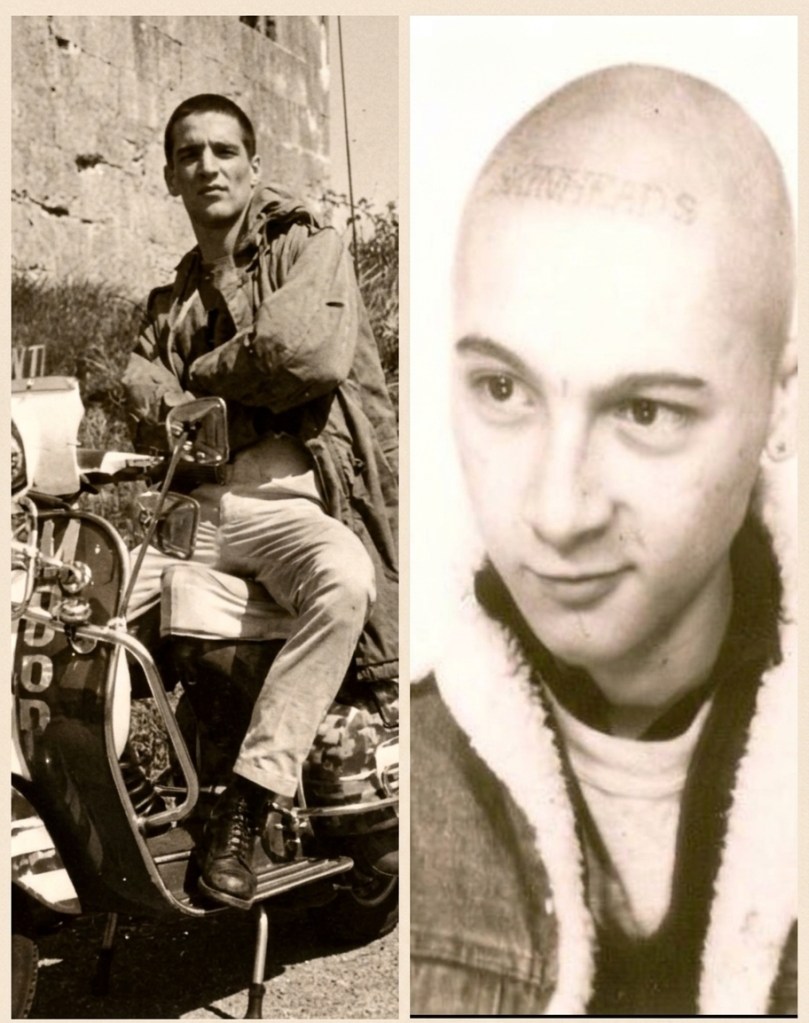
It was when I turned eighteen that I first learned about the PNFE, which was racist and revisionist [of WW2/nazi holocaust history – Ed.) , but I wasn’t drawn to its cause. In any case, like many of the lads from the provinces, we had very few encounters with violence. A few times I’d been slapped around, or stepped in to break up fights to stop punks getting beaten up, because that sort of thing went against everything I believed in, just as much as picking on a homeless person did.
From 1988 onwards, the RAC band scene really began to grow. We kept up with what was happening, even if we didn’t buy every record. We hated No Remorse, for example, but whenever Skrewdriver released an album, we’d inevitably listen to it, because they were the legends. But the more time went on, the worse their music got.
Locally, we quite liked Skinkorps, and it pissed us off that they’d released a record on the Rebelles Européens label, because we knew that nazi salutes weren’t their thing. We also knew that this might have been the only way they’d found to get an album out, but still…
We weren’t into the French alternative scene [a loose network of punk, post-punk, countercultural and anti-fascist bands – Ed.], although at eighteen I knew very little about it, apart from Bérurier Noir. I had a few funny experiences. One weekend I was invited to Carentan to stay with a mate from school, who was into psychobilly. I discovered the Tétines Noires [industrial/electronic band – Ed.] rehearsal space, and we got drunk in the Renault 5, singing Bérurier Noir songs. We ended up at a nightclub in Lassay, on the coast, where someone told me that the owner had a thing for young lads and would probably try to chat me up! I went to order a drink at the bar, and he started stroking my hand. We just laughed like idiots, without any homophobic hang-ups. Why make life complicated?
There were quite a few punks in the Manche region at the time, and throughout Normandy. The DJs would even play punk over the club sound systems…
CLICK IMAGE FOR PART 2: RUNES AND TRIBULATIONS