
Reconquesta: Valors Perduts LP
The eagle has landed. About time too, we’ve been waiting for months on end. Ladies and gentlemen, the second Reconquesta album is here.
“Judges of Oi always bore me”, sneers frontman Romani in ‘Real, dirty and raw’, the album’s sole English-language song. Yet here I am clothed in my righteous robe, a judge of Oi passing verdict. To be honest, ‘Real Dirty and Raw’ had to grow on me when an early version went up on YouTube last June. I get the lyrical sentiment: the band doesn’t like inoffensive pop Oi. But I wasn’t sure the alternative had to sound like early 90s Böhse Onkelz covering ‘High Voltage’ by AC/DC. To my taste, this felt too much like muscle-flexing and not enough like punching.
Reconquesta had the balance between punk, rock ‘n’ roll and romanticism just right on their split EP with Codi de Silenci a few months earlier, and I was hoping the album would not collapse under metal overkill. It’s not that I hate metal, it’s just that nine times out of ten, it pans out very badly when punk or Oi bands try playing it. Continue reading
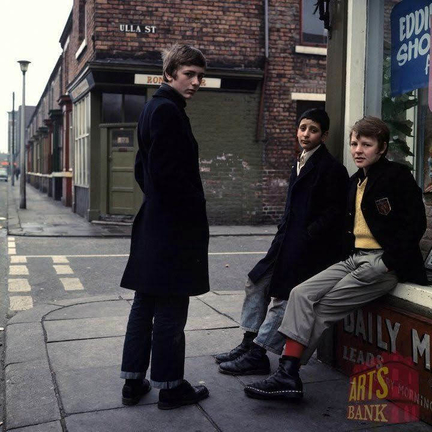




 Attentive readers would undoubtedly notice my appreciation for the vitality of the current Catalan skinhead scene. Even those who visit casually would not mistake it for a mere historical re-enactment society. While the scene embraces styles ranging from the 60s, 70s, and 80s to contemporary variations, it seamlessly melds tradition with a resolute sense of purpose and relevance in the present moment. Catalan nationalism has become a major international news item since last year, and although some Catalan skins I spoke to are more critical of it than others, it’s fair to say that, for the most part, they are among its most fervent supporters.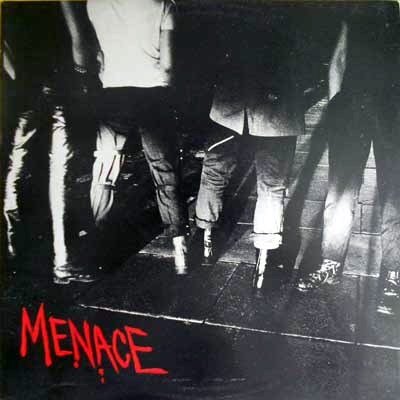

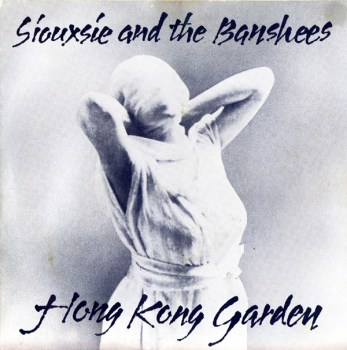 “I’ll never forget, there was a Chinese restaurant in Chislehurst called the ‘Hong Kong Garden’. Me and my friend were really upset that we used to go there and like, occasionally when the skinheads would turn up it would really turn really ugly. These gits would just go in en masse and just terrorise these Chinese people who were working there. We’d try and say ‘Leave them alone’, you know. It was a kind of tribute”.
 Creases Like Knives