Stompin’ in Bologna: Rude’s Ghetto 84 Chronicles

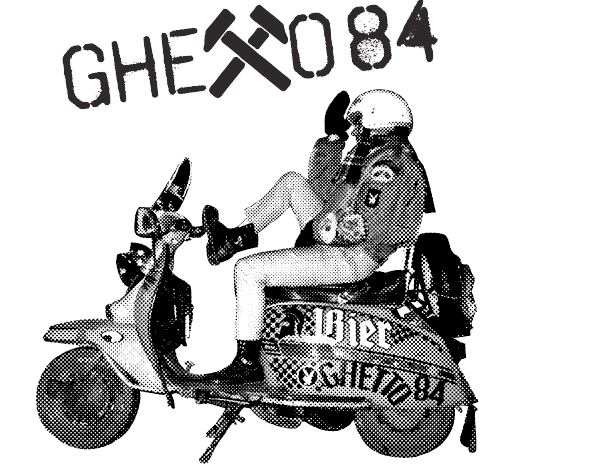
The Italian town of Bologna has a population of less than 400,000, but the density of local Oi and punk combos has always been incredibly high. Nabat (arguably continental Europe’s most influential Oi band) hails from the San Donato quarter, while the nearby Bolognina neighbourhood is the historical breeding ground for groups such as Ghetto 84 and Zona Popolare. Ghetto 84 were fronted by Rude, a second-generation Bologna skinhead. He was part of the wave that ruled the latter half of the 80s and established a strong connection between skins and Bologna FC 1909 ultras.

During their initial period, Ghetto 84 recorded the 7-Song tape La Rumba!, released on Nabat’s C.A.S. Records in 1987, and a couple of tracks for the excellent 1991 compilation Oi! Siamo ancora qui!, which was curated by Klasse Kriminale’s Marco Balestrino. An album, A denti stretti, followed in 1996. After that, Ghetto 84 fans had to exercise patience – it took over 20 years for the comeback album, Ultras Rock ‘n’ Roll, to be released.

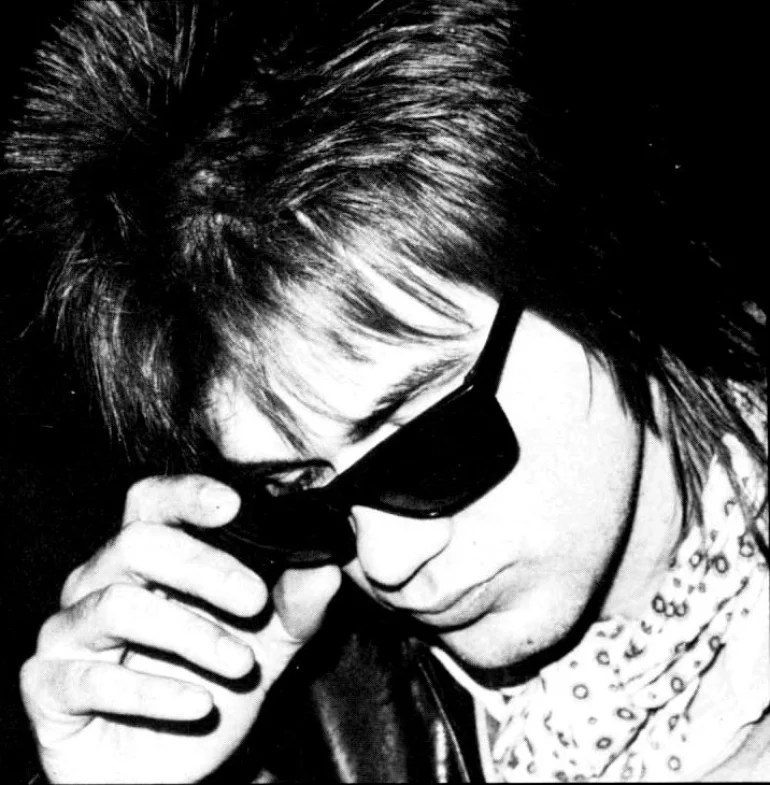
One joyous afternoon in May 2023, we met with Rude at Hellnation Records in the Bolognina quarter of Bologna. The shop is located on the very street where Rude grew up in the 70s and 80s (and right next to Black Panda Tattoo, where Bologna skins get inked). Today, Rude lives in Dresden, Germany, and he was in town for a visit. We took the opportunity to sit him down in a nearby bar and find out about skins, ultras, punks and mods in 80s Bologna, Rude’s old band Ghetto 84, his subsequent career as a musician and DJ, and his present stint with Zona Popolare.

Interview: Matt Crombieboy
Photos of Rude at Hellnation shop: Francesca Chiari

CLICK PICTURE FOR STOMPING IN BOLOGNA PART 1
CLICK PICTURE FOR STOMPING IN BOLOGNA PART 2
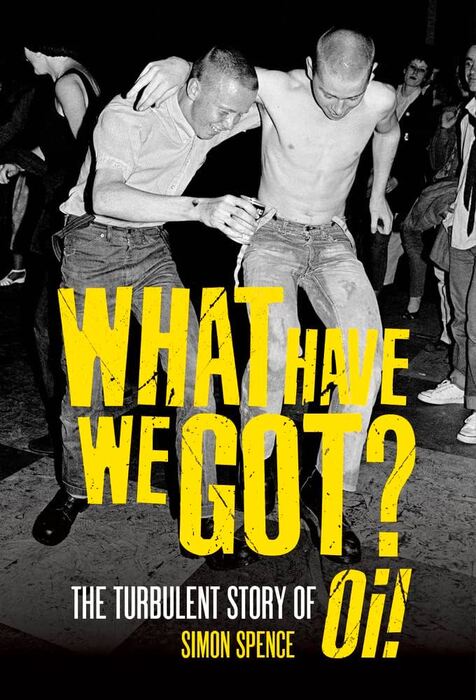
‘What Have We Got? The Turbulent Story Of Oi!’ by Simon Spence, reviewed by Stewart Home

What Have We Got? The Turbulent Story Of Oi! by Simon Spence (Omnibus Press 2023)

This is the heartwarming story of a journalist who, having written extensively about britpop, discovers and falls in love with Oi. Now Simon Spence is spreading the good news about skinhead rock to a whole new audience – and so, his book is very much pitched towards those who have discovered the genre even more recently than he did. Spence’s opening sentences are: “A definitive history of Oi!? Yes and no”. Serious historians don’t do definitive, not even a hedged definitive.[1]

Important progenitor: Gary Lammin

There is a foreword by Cock Sparrer founder Gary Lammin, and the book concludes with a chapter on Lammin’s old band, among other things. This sets Cock Sparrer up as the founding fathers of Oi. However, Spence begins with a chapter entitled ‘The New Breed: Crown Court’. Lots of people like Crown Court, but for me the band’s name was almost enough to put me off ever listening to them. The name is shared with a really boring and thankfully now defunct TV show. That isn’t why the band took the name, but anyone my age who grew up in the UK is likely to make the association. What next? Oi bands called things like Strictly Come Dancing and Good Morning Britain? Incidentally, ‘the new breed’ is a phrase I first came across in Richard Allen skinhead novels when I was reading them in the 1970s, but there’s no mention of that here.

Moving on, there is a delve into Oi precursors, including Sham 69, Menace and Angelic Upstarts. Spence opts for a very conventional view of the bands that inspired Oi, despite the fact that genres evolve and their boundaries change. He very much works with a pre-existing template on the origins of Oi and seems uninterested in broadening this out. Nonetheless, what some early Oi musicians enjoyed musically went way beyond this narrow range of influences.

Spence doesn’t mention west London band Neat Change, who had members geared up as skinheads back in 1967![2] Or, indeed, any of the far-out bootboy glam outfits who paved the way for punk – and with this, you could go all the way back to tunes like ‘Factory Grime’ by Crushed Butler. There are some lines in the book about the influence of dystopian tales such as 1984, Brave New World and Clockwork Orange on Oi culture. From this, it could be argued that some minor league London punk bands such as The Unwanted – whose simplistic vinyl releases included ‘Freedom’ (on the first Live At The Roxy LP), ‘Secret Police’ and ‘1984’ – were also precursors to Oi.

Continue reading