Few subcultures are more visual than skinheads, and if we have any way of knowing the history of the skinhead cult in its entirety, it’s also thanks to those who have documented certain important periods in photographs. These photographs are testimony to the way things were – the faces, the places, the atmosphere, the style, the joys and tensions. Where would be, for example, without photographers such as Derek Ridgers and Nick Knight, who made skinheads their main subject – or Gavin Watson, who photographed what he also lived? Fortunately, they left that trace for us. And equally luckily, there are those who do the same thing today: leaving traces for the future, for the next generation of skinheads. Francesca Chiari spoke to Alexandra Czmil, a photographer based in the French city of Nantes.
Francesca: Hi Alexandra, could you tell us how your passion for photography began?
Alexandra: My passion for photography started while I was a student at the University of Plastic Arts in Metz. During my second year there, I discovered Nan Goldin, Nobuyoshi Araki and Joel Peter Witkin’s pictures. It was a revelation. Year after year, photography became more and more important for my work. But I think it was in 2008 that my plastic arts creation began to be pictures only. My passion for photography has been constantly evolving for 23 years.
And today, are you a professional photographer or is it just a hobby?
I’m a professional artist who uses photography. I was a photography teacher at an art school for five years, and now I’m working in a photography workshop and I’m teacher of analogue photography at a design school.
You just mentioned Goldin, Araki and Witkin – what was it about their work that spoke to you or appealed to you?
At first, it was the subject matter of their photographs. I remember discovering Goldin, Araki and Witkin through three little books. I was very impressed by Nan Goldin’s work The Ballad of Sexual Dependency. This series is about drugs, sex, friendship, love, bisexuality, life and death, sadness, New York, the night, happiness, homosexuality, Aids, violence – dropouts who were her friends and her new family. I was very fascinated by their stories, by the atmosphere and aesthetics of the pictures. I didn’t understand how Goldin could take pictures of her friends having sex. I was mesmerised, because for me it was something unattainable.
In 2017, I had the pleasure to see The Ballad of Sexual Dependency for real, at the Art Museum of Nantes. It was better than all the books or interviews of Goldin I’d ever seen. 700 slides shown in a dark room with music. I remember hearing Iggy Pop and The Velvet Underground during the projection. The concept of the installation was to immerse you in the everyday private life of Nan Goldin and her friends, without any taboos.
As to Nobuyoshi Araki, two of his works interested me: his pictures of girls tied up and hung up in the manner of shibari art [an ancient Japanese artistic form of rope bondage – Editor] and the series dedicated to his dead wife. As is the case with Nan Goldin, his work speaks of love, sex and death too, but from a Japanese perspective. The girls who are tied and hung-up are like sculptures in his pictures. In his series about his wife Yoko, we can see the connection to the real, which you don’t get with the pictures of naked girls. Both together make for a beautiful autobiographic work.
Joel Peter Witkin reproduces famous pictures of paintings with corpses or with people who have a specific appearance. He used to work in a morgue for a few years, and it was then that he started going in that direction for his pictures. He only works in black and white. The aesthetic was just incredible to me.
I was young when I discovered these three photographers – it was the time when I started discovering contemporary art and contemporary photography. I was too shy to make similar pictures, which is why I was so impressed with them.
What was the subject matter of your own pictures in the beginning?
In the beginning, I focused on teenagers and their appearance. My first exhibition was at the Musée Denon in Chalon sur Saône in 2009: I had taken pictures of young people in their classrooms and in different places or rooms in their high school. They looked like sculptures of sad teenagers in a high school. I was interested in adolescence, because it’s a period of transition when bodies transform, somewhere between power and vulnerability. For some people, it’s the beginning of rebellion.
It seems that the main subject of your recent exhibitions are skinheads. Why is that – are you part of that scene yourself?
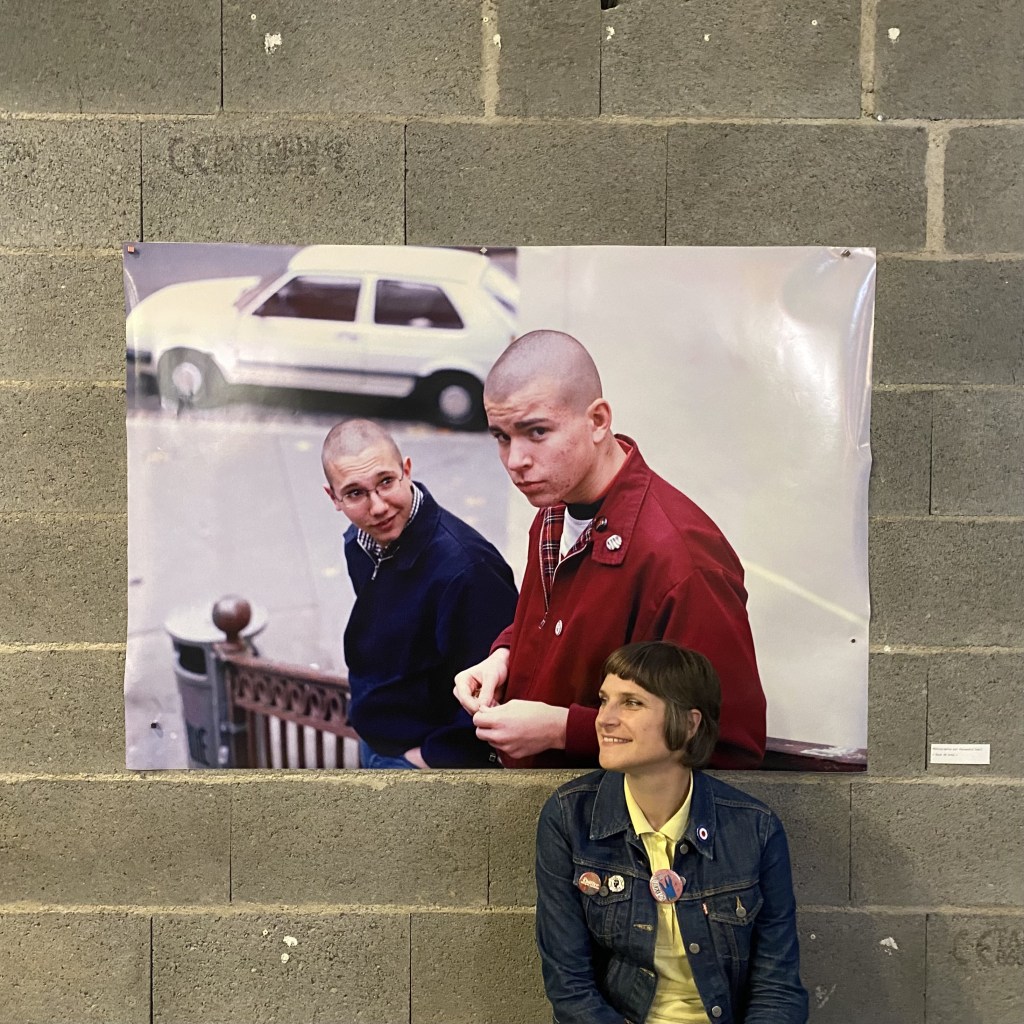
Before my diploma in 2008, I’d photographed my brother and his friends during the academic year. My younger brother had begun to adopt the skinhead style. He was wearing a Harrington jacket, Fred Perry polos, Ben Sherman shirts, Dr Martens boots and Adidas Samba trainers. When I showed the portraits of my brother, teachers asked me if my brother was a racist just because he was wearing a Fred Perry shirt. I explained that my brother wasn’t racist and that skinheads could be anti-racist. After that, I decided to work with a series of skinhead guys in Fred Perry polos. I called one of my best friends, who was a skinhead girl, and together we looked for models for my pictures. So, for my diploma I presented my first series about skinheads.
In September of the same year, I moved to Lyon to pursue my studies at the local art school. It was then that I decided to work exclusively on subcultures, especially on skinheads, because everybody was embarrassed by the subject and didn’t know the real nature of the skinhead culture. My younger brother and one of my best friends, Bérangère, were my connection to the scene.
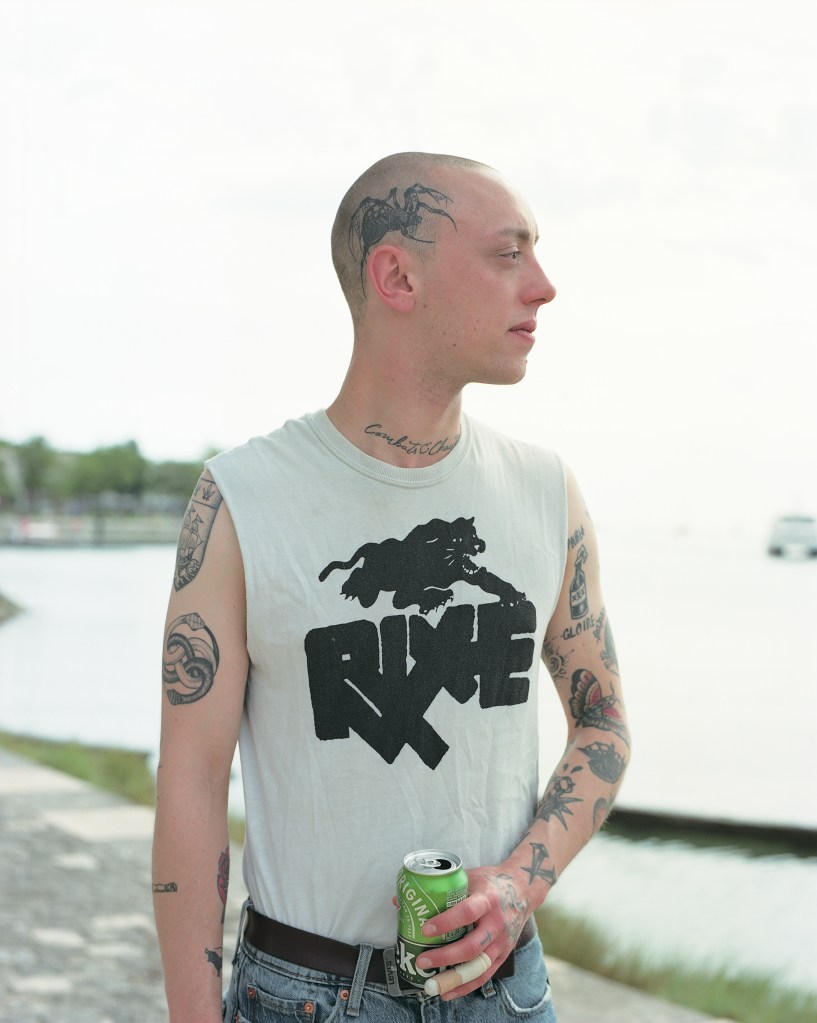
In the beginning, I wasn’t part of the scene. I had similar thinking about working-class values, anger, style and music, but I still liked to keep a bit of a distance. I was into hardcore, so when I discovered Oi music, it was already a familiar sound. Year after year, I met more good people and made true friends – I went to a lot of gigs, discovered Jamaican music and changed my appearance. And I think it’s fair to say that from then on I was part of the scene. I was also working with a sociologist and specialist on the skinhead subculture, Gildas Lescop, who is a skinhead himself and has also been my boyfriend since 2014.
Apart from your skinhead-themed exhibitions, were there any others?
Thirteen years ago, I had an exhibition about subcultures and youth cultures, titled Rock Around the Clock. The title was chosen in reference to the movie Blackboard Jungle, which was one of the first movies made about teenagers. I took photographs of teenagers and young adults with different styles from different subcultures.
In 2021, I did an exhibition about working-class objects, cars and interiors from the 60s and 70s. It was called 67–76. For me it’s important to speak about the working class and its memories. The objects, cars and interiors are a part of these memories. I want to promote working-class history, so I tried to present a small part of it.
This year I’m gonna do an exhibition in Berlin about a series of photographs of cheap French dishes from the 50s, 60s and 70s, called Formes utiles. I started with the dishes from my grandparents’ home. They were created for working-class people after World War 2 and were sold in containers made of robust material: tempered glass. The same kind of glass was also used for car windows. At the time, plates, glasses, cups, and so on were made to be hardwearing and resilient, but also to be beautiful.
Everybody in France knows Duralex, Vereco and Luminarc dishes – they were very popular. I researched this a lot, but haven’t found any precise information about the history of the collection or its designers. In my opinion, it’s important to document working-class objects and to restore the memory of that history.
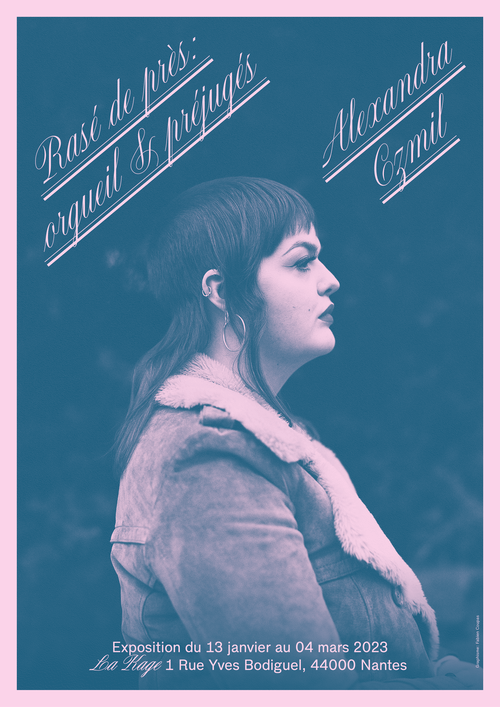
Your latest exhibition is entitled Rasé de près: orgueil & préjugés (Close shaven: Pride and Prejudice). What kind of message do you want to convey with it?
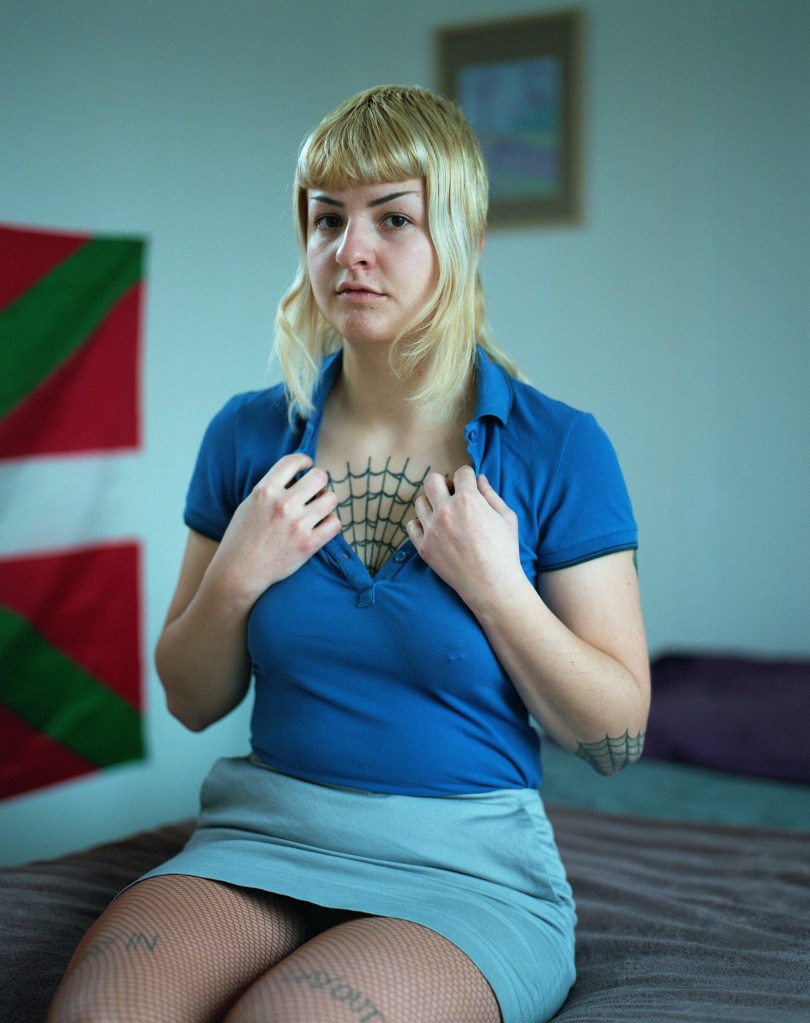
The title speaks of skinheads and the public. Over the years, the media has relayed a violent and racist image of skinheads to the public. So, with this exhibition and this title, I would just like to show in a modest way a different image of skinheads, and also challenge people’s prejudice.
Do you think it will reach the general public?
I don’t know about the general public, but every time I did an exhibition about skinheads, I convinced some individuals to change their opinions. In France, a lot of people don’t know the history of the skinhead subculture, they just have the image of the racist guy with no hair who wears big boots and is into violence. But I think things are changing with the internet and the access to British documentaries, with the movie and TV show This is England. Now you can find a lot of books about skinheads, subcultures and youth culture.
I’m sure you’re familiar with the classic skinhead-themed work of photographers such as Nick Knight, Derek Ridgers and Gavin Watson. Could you tell us what you think of their work and who has had an impact on you?
Nick Knight, Derek Ridgers and Gavin Watson are the main reference points in skinhead-themed photography. Nick Knight was the first photographer that I discovered through his book, and then I came across Gavin Watson’s book. Derek Ridgers, whose work I found on the internet, was the last one. Of course they had an impact on my work. It’s important to know what has already done been done and what the other photographers are doing now. Their works are records, memories of skinhead culture and history. Knight, Watson and Ridgers have their own styles and for me it’s vital to have my own. Watson photographed skinhead culture from the inside, Ridgers is an archivist of the music scene in the UK, and Knight’s Skinhead book is like a bible, with its typically English documentary and social photography. One shouldn’t forget to cite Iain McKell, Janette Beckman and Syd Shelton as further important photographers of skinhead culture, though.
Is there anything you want to get across about skinheads with your photos that you feel hasn’t already been said by these people?
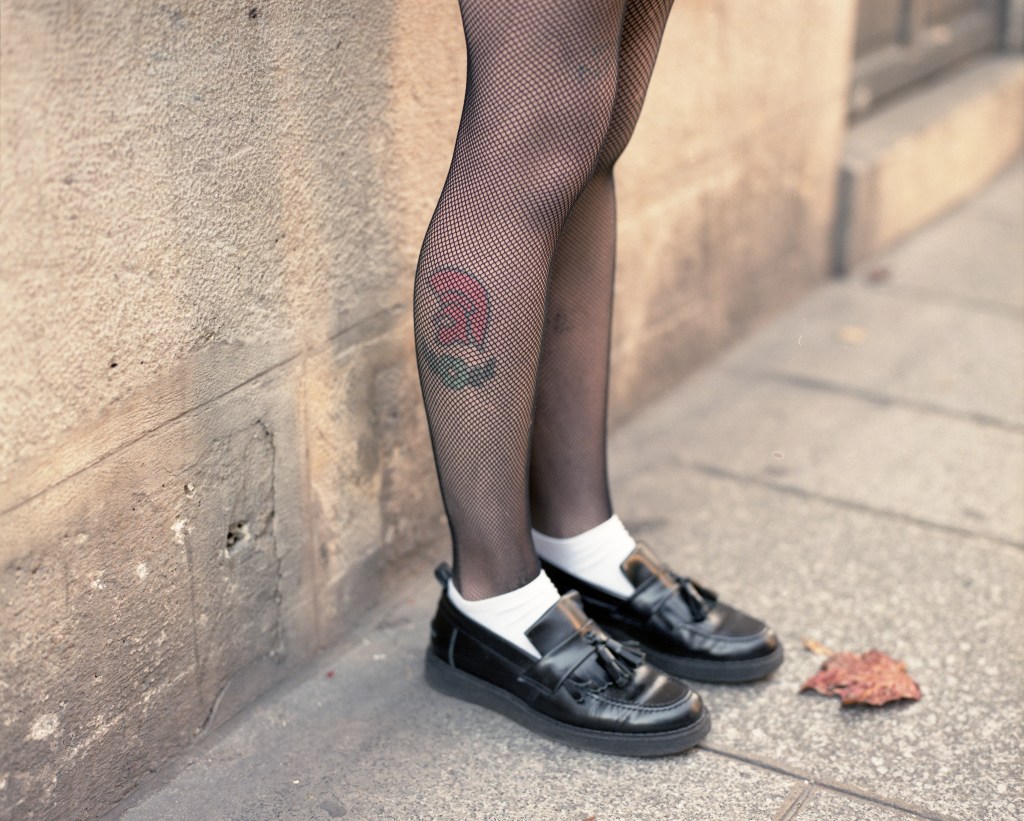
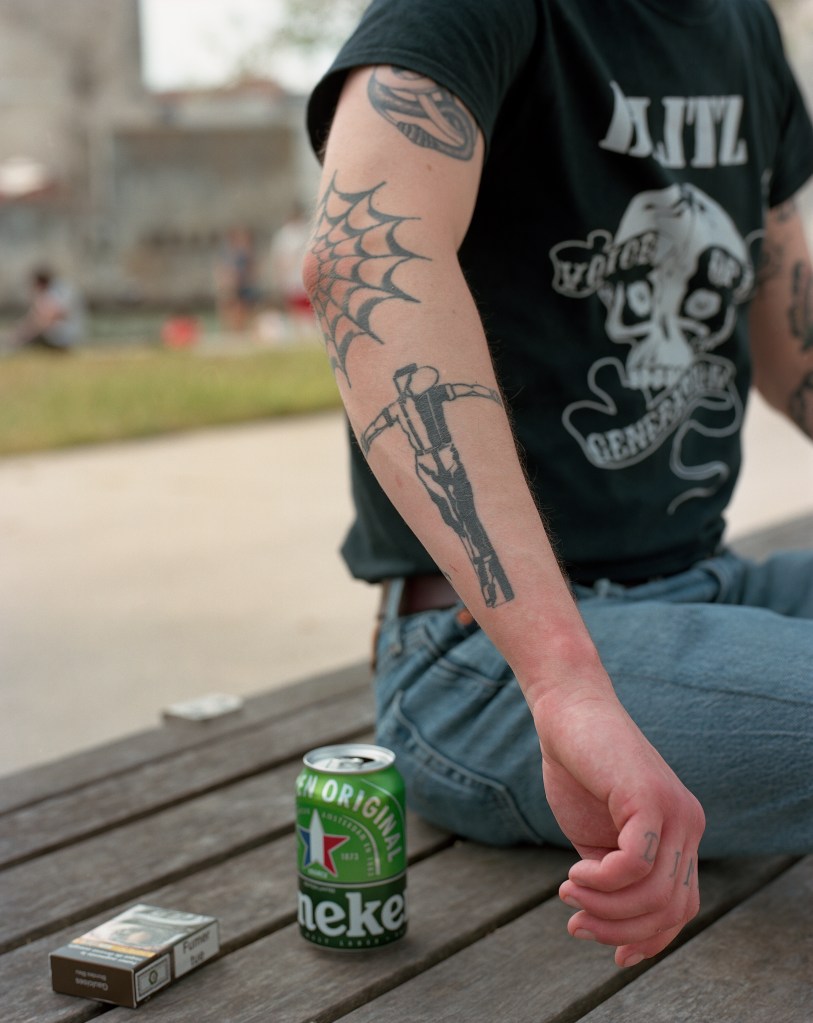
Maybe it’s not so much that I want to say something different, but say it in a different way… If I use another kind of photography, I’ll inevitably say something different. I’ve studied art for ten years, my head is configured in a certain way, my education and culture aren’t the same. I work with skinheads from the twenty-first century, so my pictures tell another story on a distinct subject. I’m often asked if I’m taking pictures of British people. But my images show what it means to be a skinhead in a country other than Britain, in a different era – and how this culture has been adopted by others.
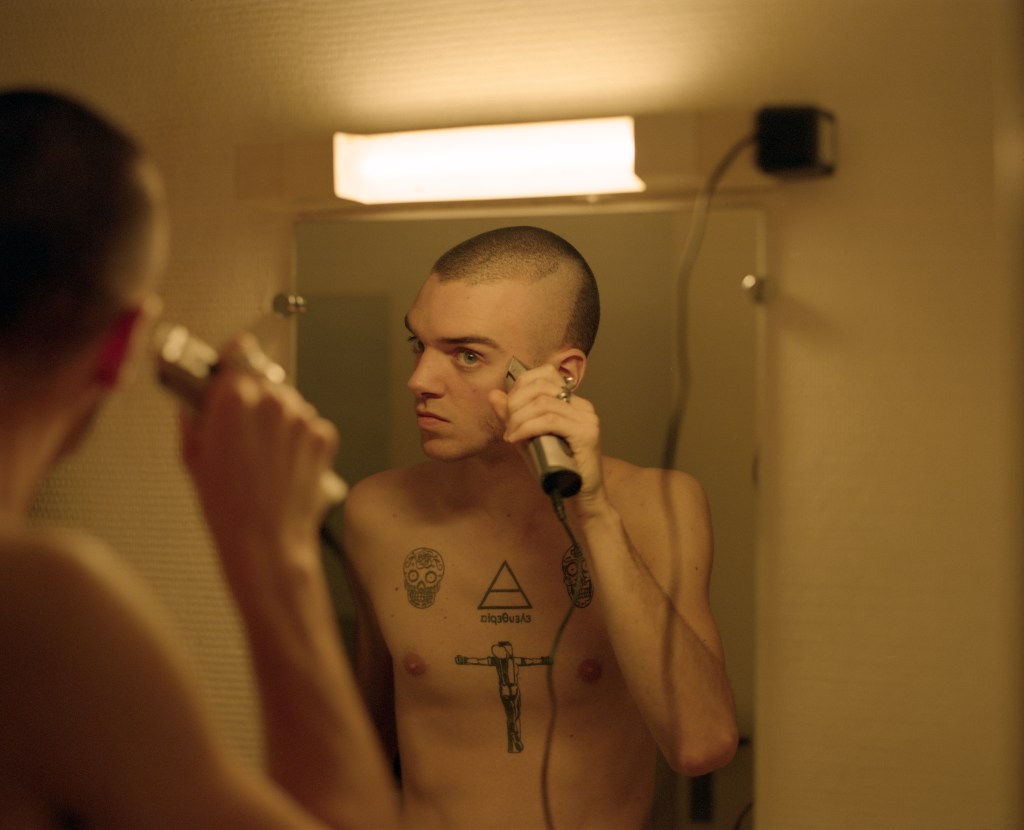
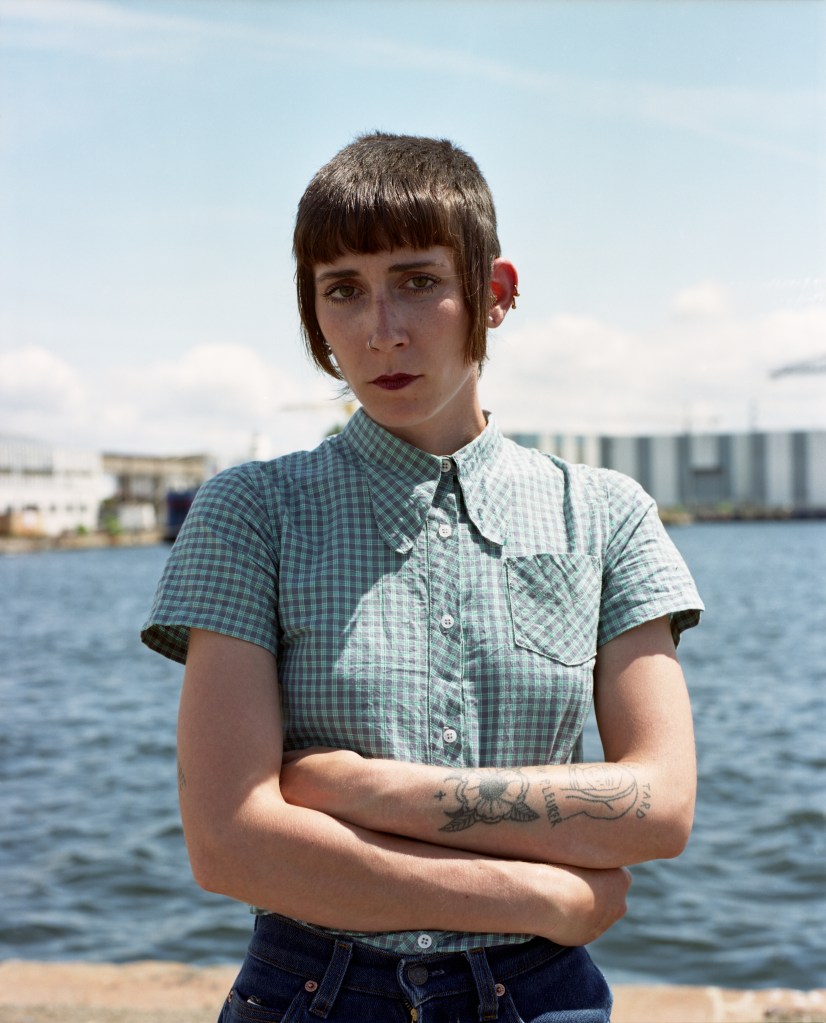
My series aims to show another side of the skinhead culture as well as other faces. I want to show the individuality of these people, on the one hand, but also the mimicry and the similarities that characterise them. The series Rasé de près: orgueil & préjugés is about different individuals within the same culture, who don’t necessarily belong to a band or a narrow circle, but meet in a quasi-religious way at Oi, skinhead reggae, ska or rocksteady gigs and appropriate a foreign culture by transforming it into a way of life. It’s also a question of personal choice: these people have chosen to become skins and to represent this physically. I hope that I have found the right balance between archetypes and innovation and defeated the prejudice.
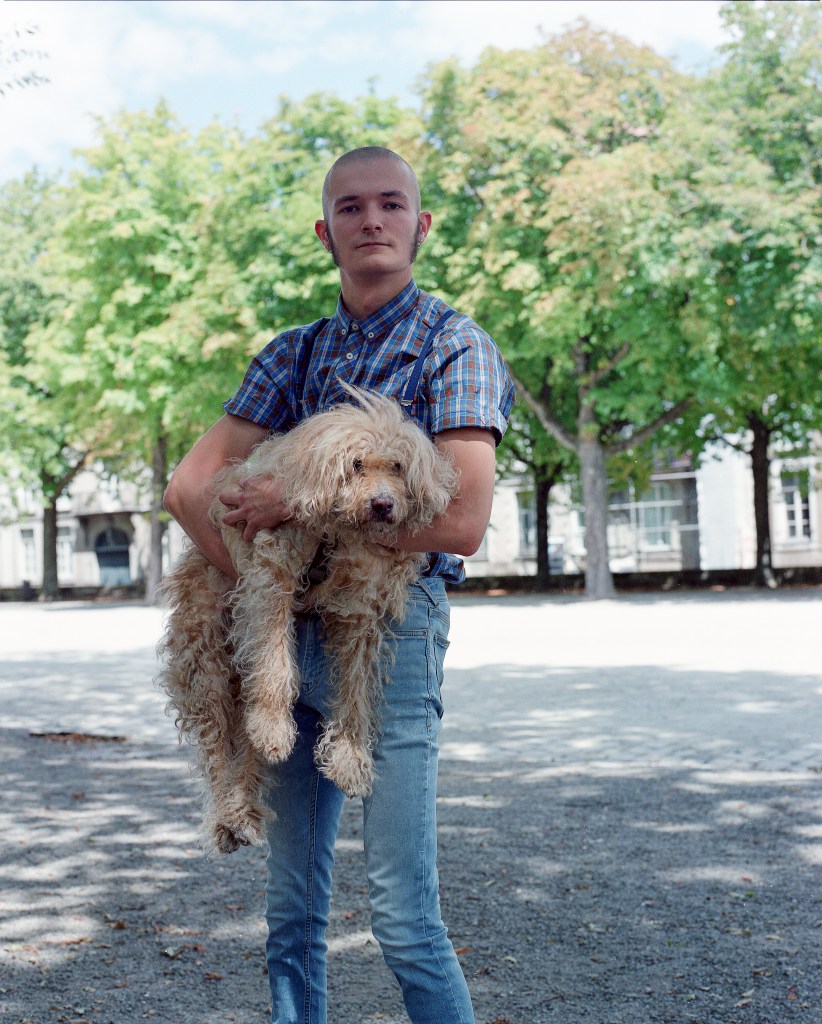
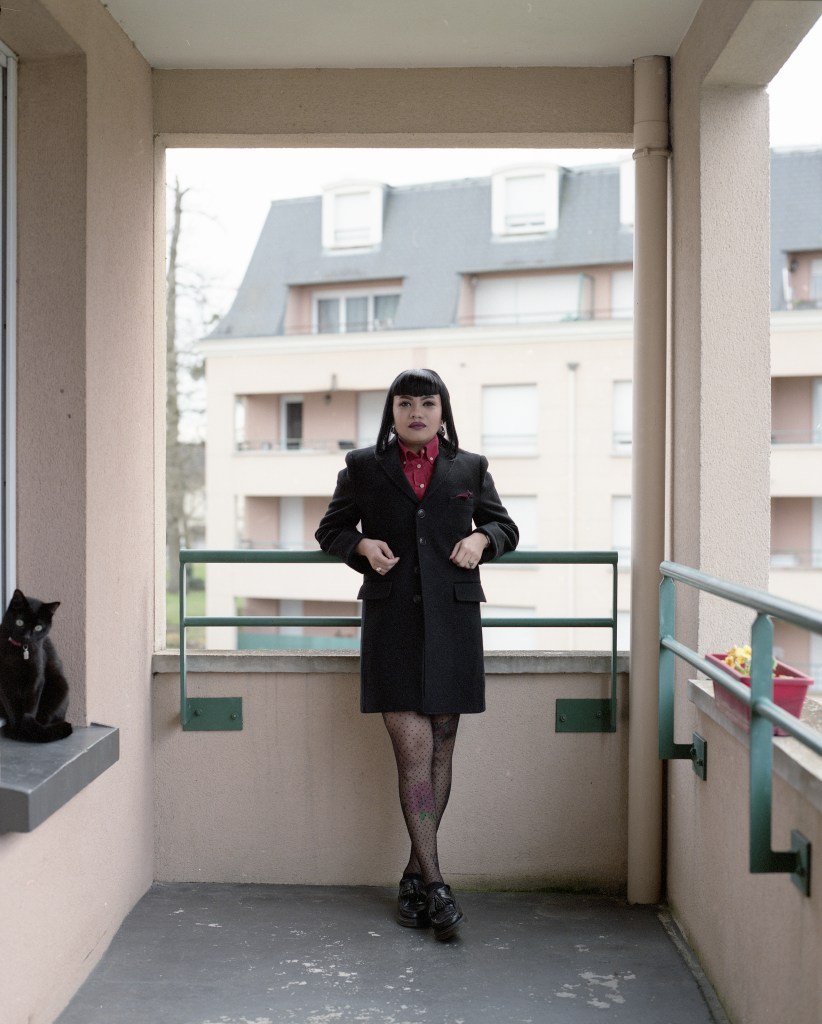
Alexandra Czmil’s skinhead photo exhibition Rasé de près: orgueil & préjugés runs at La Kage in Nantes until 4 March 2023.
Text: Francesca Chiari
Photos: Alexandra Czmil

