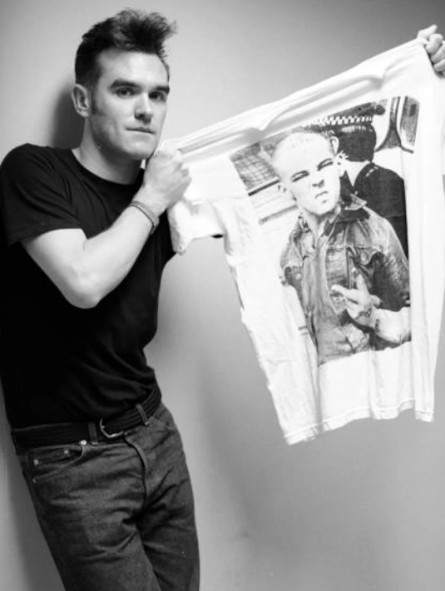
From early on in his solo career, Morrissey has held a strong fascination with skinheads, skinhead girls, suedeheads, and East London, defiantly championing a world on the brink of being bulldozed by neoliberal power. At Layers of London, Andrew Stevens has created a map of Morrissey’s East London locations, which you can explore HERE. This is his introduction.
Can anyone speak of an “East London demi-monde” for Morrissey? I thought as much a decade or so ago, penning this in the foreword for a new edition of Richard Allen’s Suedehead (Dean Street Press), as across much of his career the once avowedly Mancunian singer has returned consciously and decisively to East London – not as a heritage object but as a living myth. This distinction matters. Raised in Stretford, not Stratford, East London becomes in Morrissey’s imagination less a bounded geography than a portable identity: a code that can be adopted and inhabited. The bombsites and bath houses, spit-and-sawdust pubs and boxing clubs of Bethnal Green, Wapping, Dagenham and Plaistow form a counter-map to the depicted metropolitan glamour of Piccadilly and cabaret queens of the Royal Vauxhall Tavern. They are the stages on which he has repeatedly located a defiant, wounded, theatrical working-class masculinity – part elegy, part provocation.
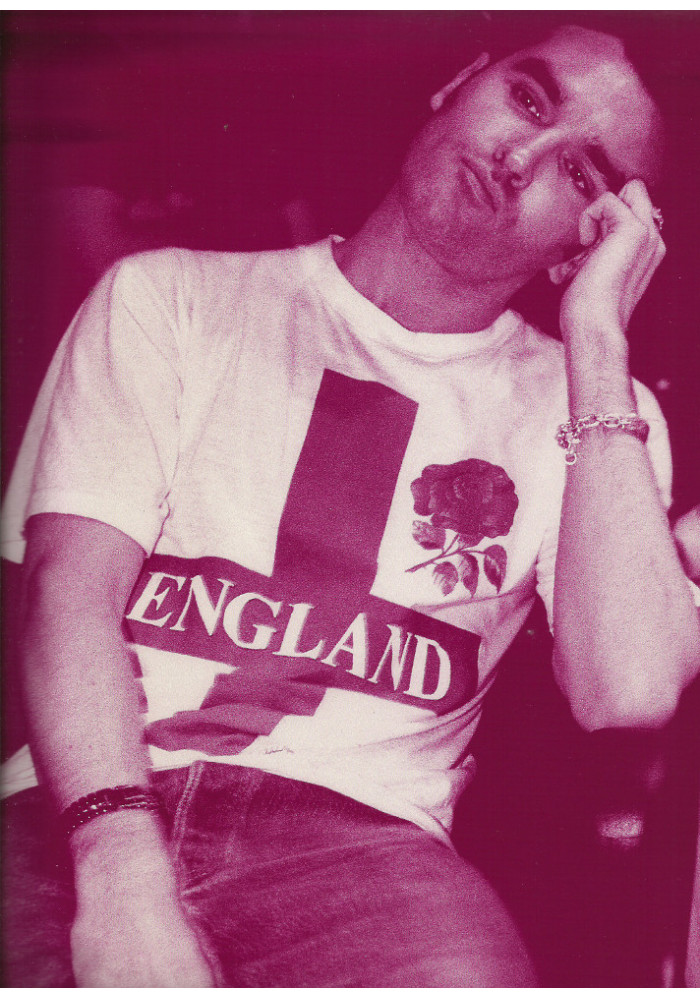
That east–west tension was already encoded in the skinhead fictions Morrissey had once consumed. In Suedehead, Joe Hawkins ventures out of Plaistow to the West End, trading rooted identity for metropolitan possibility. It is a trajectory that shadows Morrissey’s own imaginative geography: the pull of the centre set against the gravitational loyalty of the East. Plaistow’s proximity to institutions Morrissey admired – such as West Ham Boys Club – anchors that journey in a lived, pubbable masculinity rather than mere style.
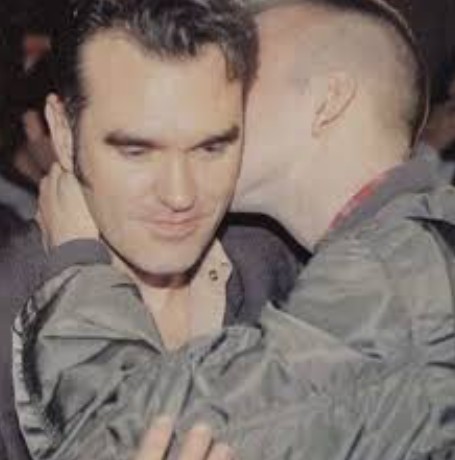
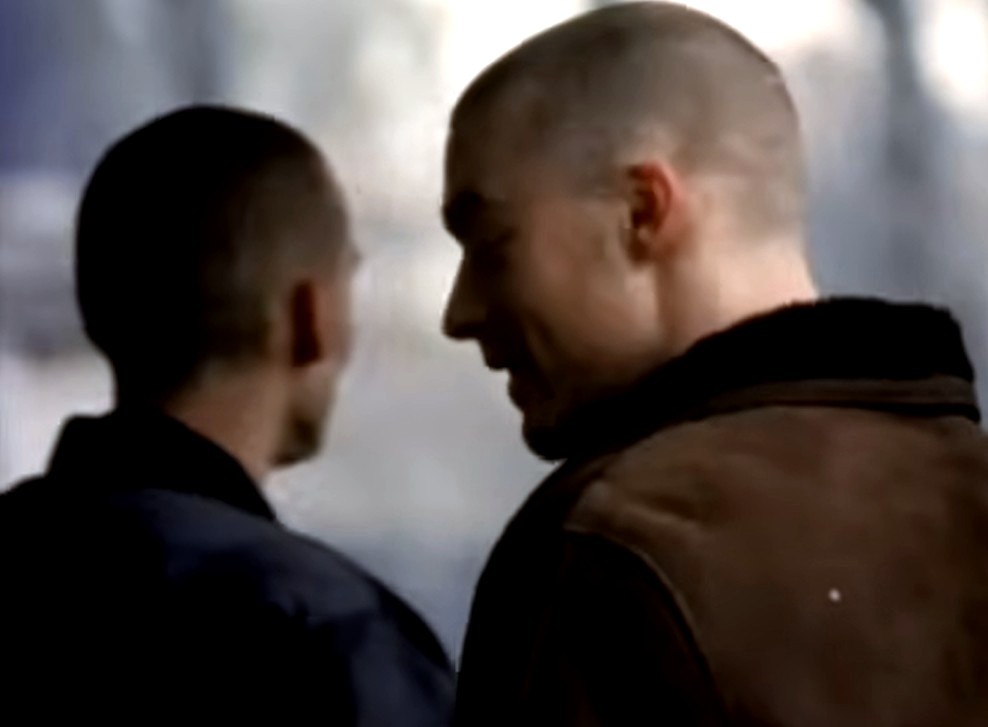
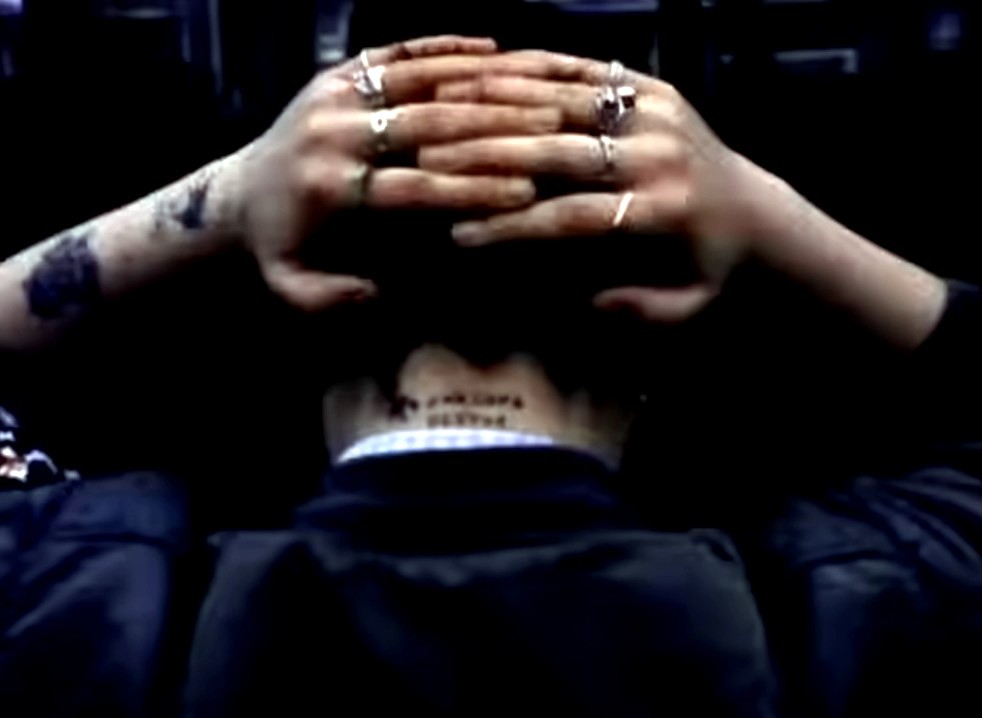
Morrissey’s enduring fascination with this working-class subculture permeates his solo career. On leaving The Smiths he flirted visually and lyrically with skinheadism – first with nods to the ‘Suedehead’ identity, then co-opting King’s Cross skinheads for the video to ‘Our Frank’ – exploring the semiotics of cropped hair, Harringtons and 10-hole DMs. These gestures were perhaps double-edged: at once affectionate and critical, drawn to the homoerotic codes and ritualised violence of post-war youth culture. This subculture had already found its musical bearings with the late-1970s emergence of Oi, that resolutely East London working-class offshoot of punk, Canning Town’s terrace-chanting Cockney Rejects among its defining bands.
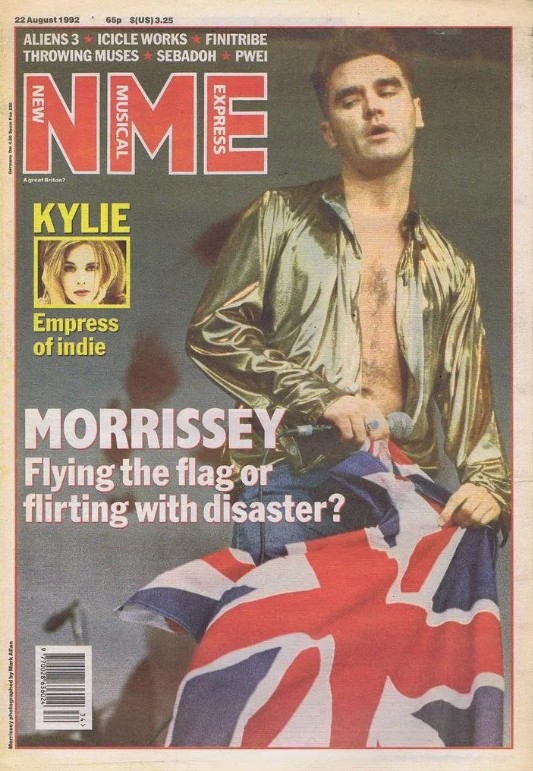
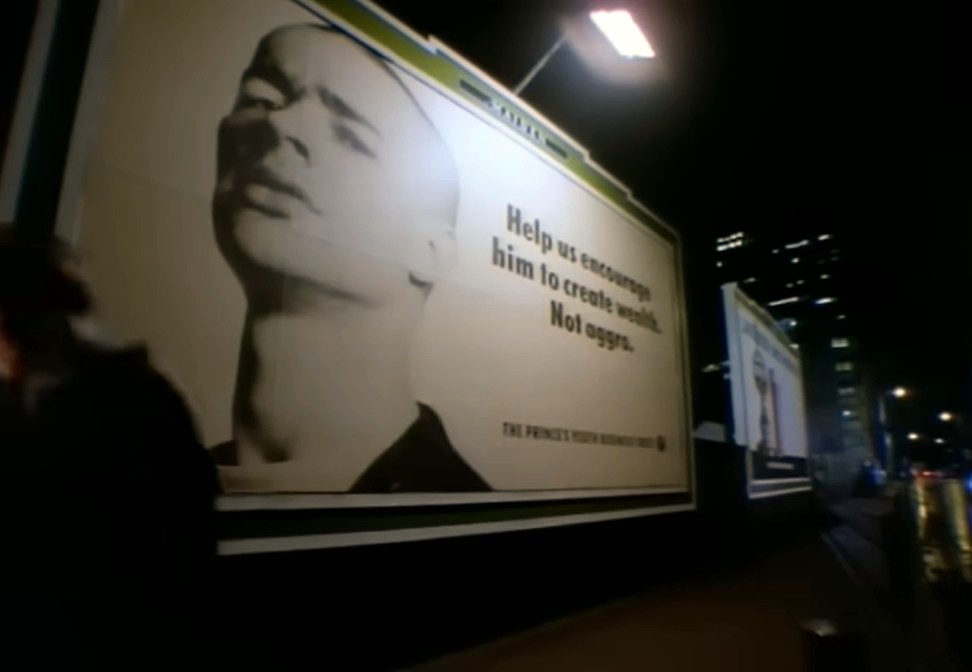
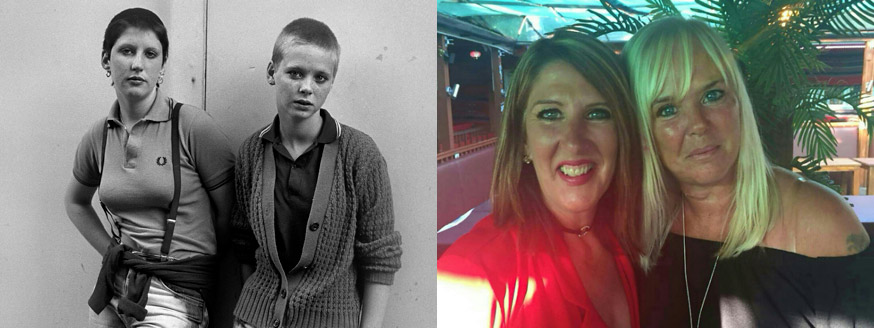
When the NME begrudgingly praised ‘Last of the Famous International Playboys’ for its “stomping boot boy romanticism”, it also crystallised a suspicion that Morrissey’s East End gaze aestheticised aggression (likewise with its treatment of The Auteurs for similar representations). Yet the video itself complicates that charge. Against Tim Broad’s framing of darkly lit red-brick estates and railway arches, a Prince’s Youth Business Trust billboard skinhead image asks the nation to “Help us encourage him to create wealth. Not aggro.” Enterprise displaces violence; regeneration attempts to discipline British youth for boardroom respectability. Never mind that its Kray twins subject matter are reimagined as tragic anti-heroes at precisely the moment Thatcherites proposed entrepreneurship as an acceptable outlet for working-class ambition. Between “boot boy romanticism” and “create wealth, not aggro”, Morrissey stages a cultural argument rather than simply choosing between them. The debacle of 1992’s ‘Madstock’ support slot in Finsbury Park, replete with Union Jack unfurling and Derek Ridgers’ skinbird backdrops, is firmly etched in music press representation of Moz as flirting dangerously with a far-right agenda – later bolstered, beyond bloated recognition, by Morrissey’s own subsequent statements. But even here, the tension is theatrical as much as ideological: masculinity performed at the edge of acceptability.
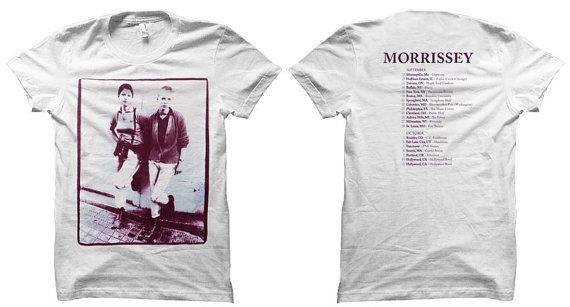
In the late 1980s and early 1990s, this interest settled into a sustained and well-documented East End fixation. ‘Last of the Famous International Playboys’ having reimagined the Krays as tragic anti-heroes; ‘We Hate It When Our Friends Become Successful’ swapped Mancunian subject matter for the blackened brick streets of Wapping; ‘Dagenham Dave’, ‘Boy Racer’ and ‘Sunny’ conjured archetypes of Essex and East London masculinity. In the narrative arc that links ‘Dagenham Dave’ to its successor, the girlfriend does not simply abandon Dave: she drives off at the end with the ‘Boy Racer’ – the star of his next single – turning romantic betrayal into serialised mythology. Masculine types merge into one another: the boozer’s wideboy gives way to speed, local swagger to automotive flash. Across these videos, director James O’Brien reinforces a coherent visual grammar of laddish East London masculinity. ‘Boy Racer’ also features two leading EastEnders actresses of the era, reinforcing Moz’s own soapland affection for the fictional Walford milieu.
Nowhere is this more persistent than in his devotion to East End boxing, with Morrissey’s literal and literary pilgrimages to the Repton Boxing Club (another Kray twin haunt, like the Grave Maurice), West Ham Boxing Club and Peacock Gym. Boxing offers him a vocabulary of endurance, codes of honour and ritualised suffering (“Hell is the bell that will not ring again”) – a masculine pageantry at once brutal and tender. Photographed outside Repton in 1991, later wearing a West Ham Boys Club T-shirt on tour and writing the foreword to Cockney Rejects’ Jeff Turner’s autobiography – in which he remarked that the band had formed partly to avoid becoming “murderers” – Morrissey positioned himself as both outsider and initiate. I later heard Turner proudly state between songs during a gig at the West End’s 100 Club that original bassist Vince Riordan had recently rejoined the band after serving time for murder. Stage banter or not, Riordan was himself the actual nephew of murdered Kray associate Jack ‘The Hat’ McVitie. The aesthete now in love with the punchbag grounded himself in physical institutions rather than mere abstraction. His live-in skinhead companion Jake Walters introduced him to York Hall in Bethnal Green, embedding him in a recognised centre of British fight culture, with the ‘Boxers’ single video also filmed by O’Brien here.
That devotion bleeds directly into the visual language of his early-1990s videos. In ‘We Hate It When Our Friends Become Successful’, filmed amid the pre-gentrified docklands of Wapping, Morrissey gets his backing band The Polecats to lean into the Lonsdale aesthetic. This East London imaginary had earlier found its most powerful visual articulation in collaboration with filmmaker Derek Jarman, no stranger himself to skinheadism as aesthetic. In Jarman’s Super 8 footage of the former Beckton Gas Works, ruined brickwork declares ‘THE QUEEN IS DEAD’ for his video to the anti-royalist Smiths single of the same name, while his video for ‘Ask’ around Royal Victoria Dock offered an elegy for the docks and for empire itself: dereliction as requiem.
Yet if Jarman was magnetised by ruin, it was his earlier collaborator Ron Peck who perhaps rendered East London’s social textures more faithfully during the same era. In Empire State (1987) and Real Money (1995) – the latter starring West Ham boxer Mark Tibbs – Peck captured the Tories’ enterprise culture and masculine aspiration. Where Jarman staged apocalypse, Peck observed survival. And if Jarman lamented imperial collapse, Margaret Thatcher advanced a regenerative counter-vision: the Isle of Dogs recast as experimental Enterprise Zone, capitalism presented as cure rather than catastrophe. The Bermondsey billboard’s injunction to “create wealth” sits squarely within that ideological shift. Between elegy and enterprise, ruin and renewal, Morrissey’s East London hovers – suspended between bootboy romance and business plan.
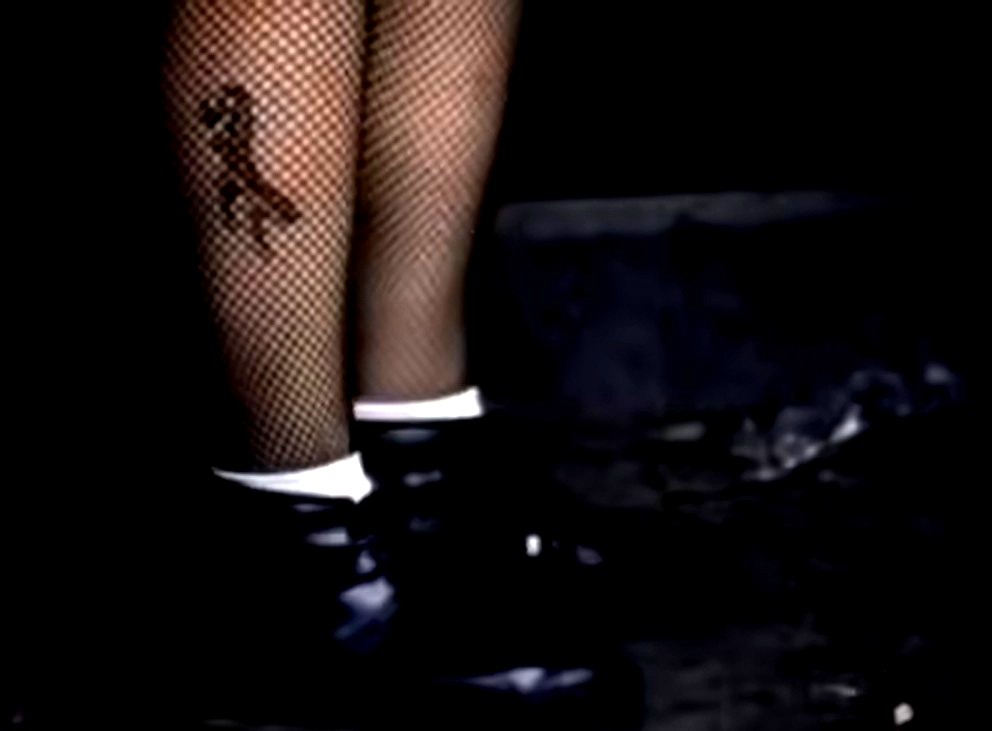
Like so many before and after, he fled a “humdrum town” for an uneasy yet productive bargain with the capital. From the Grave Maurice to Victoria Park, from Bermondsey railway arches to Dagenham estates, Morrissey’s lens and persona keep circling the East End as a place of refuge. Jeff Turner’s Rejects may have yelled that “The East End’s all around”: this is not biographical fact, but an adopted inheritance. That inheritance would later take on a recorded dimension when, for his 2004 album You Are the Quarry, Morrissey signed to Attack – originally a late-1960s skinhead reggae imprint of Trojan Records. Like Hawksmoor churches, the roll-call of landmark East End pubs in ‘Many Icebergs Ago’ – from 2026’s Make-Up Is a Lie – brings the obsession barrelling back into view, nearing its apogee (and reprising ‘Jack The Ripper’ from the Your Arsenal era). Touring the album also saw a brief return to Bermondsey and suedehead iconography.
In this collection, the entries perhaps care less about the physicality of built form than Morrissey’s long conversation with class and masculinity. His East London is a place where the fighter trains, the entrepreneur boasts, the friend becomes “successful”, the boy racer speeds away with the girl, while a fascinated misfit lingers in the doorway, suspended between admiration and disdain.
CLICK HERE FOR MORRISSEY’S EAST LONDON LOCATIONS
 Creases Like Knives