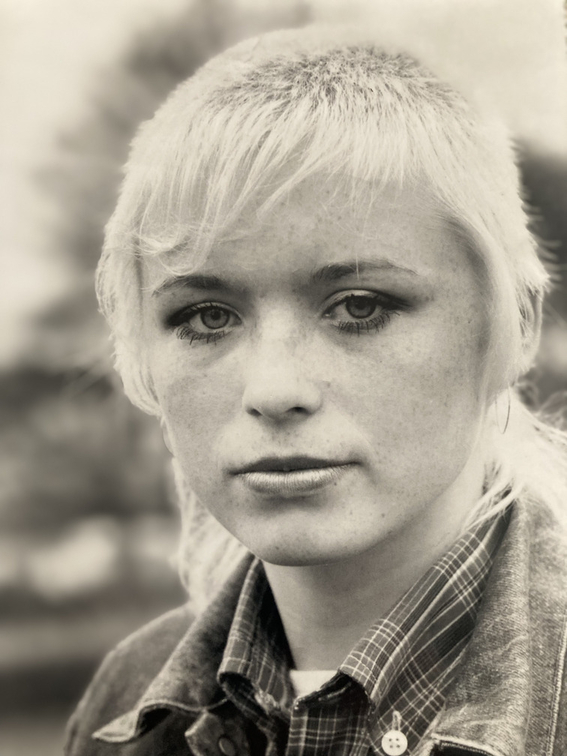
‘It was only a haircut.’
And to some, it was – but to many, myself included, choosing your own haircut was a rite of passage. I was around 11 years old when I begged my mum to let me go to the barbers and get a crop. Up until then she had cut my hair herself, most certainly through necessity rather than any penny-pinching. She was a single mum bringing up two kids in a flat above a row of shops. My clothes came from jumble sales. It took a lot of pleading and whining, but she eventually relented and off I went to the barbers expecting to be transformed in to Suggs’s lovechild, but that’s a whole other story.

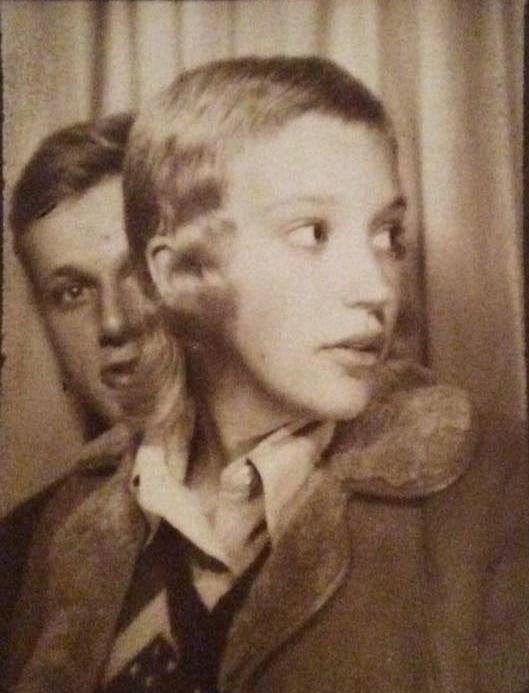
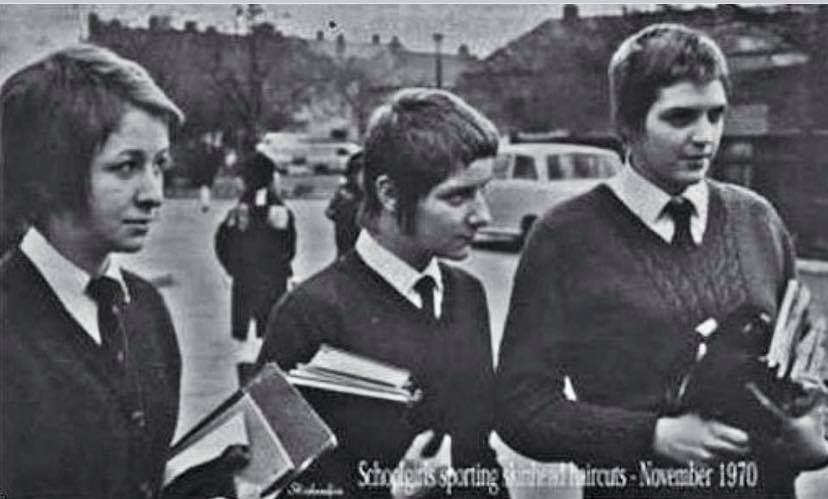
It is easy to forget that in the late 1970s, early 80s, you could still be sent home from school for daring to turn up with hair shorn too short. A mohican or dyed hair would almost certainly have got you suspended until you agreed to comply with school dress code. Yet in some weird way, it is exactly because these boundaries and rules were in place and enforced that this period of time is so memorable. I have been asked why my novels, Too Much Too Young and Feathers, are set in the period that they are. It’s really simple. It’s a time I am familiar with and one that, rightly or wrongly, I am very fond of. For myself and many, this period was our first dipping of our wicks in to the exciting world of music, fashion, social freedoms and autonomy.
In Too Much Too Young, teenager Julian’s world is one of upheaval when he is whisked off to an East London council estate to shack up with his mum’s new boyfriend and two inherited sisters, but it is this simple turn of events that provides the opportunity that shapes him. Linking up with Gerry, a local loner who chooses his own way, finding his stimulation and inspiration in the new breed of ska music being created in Coventry, London and Birmingham, Julian joins ranks, adopting the rudeboy fashion and culture that permeates this new sound.
Both novels are laced with my own experiences. Though far from autobiographies, it is these experiences that helped me to create what I hope are colourful, nostalgic (for many) and enjoyable reads.
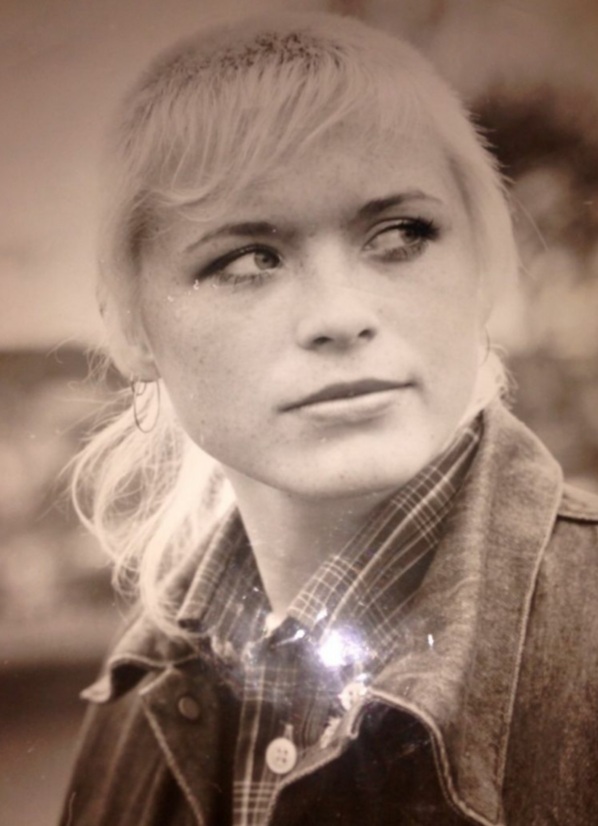
The spark for Feathers is easy to identify. There are hardly any novels written about youth culture (subculture) that have a female lead character. Creating the story around her was another issue. It may come as a surprise to many, even those that know me quite well, that until recently I worked with young people for 25 years: disengaged, damaged, disadvantaged, disabled, mentally unwell, abused children and teenagers. Some of these young people could display extreme violence and abuse towards others themselves. I often pondered the question of ‘nature versus nurture’; can humans be born with an innate lack of empathy? Can they be born inherently predisposed to violent actions or do their life experiences shape them? I never found the answer, but what I decided to do was to put that question out there through her story.
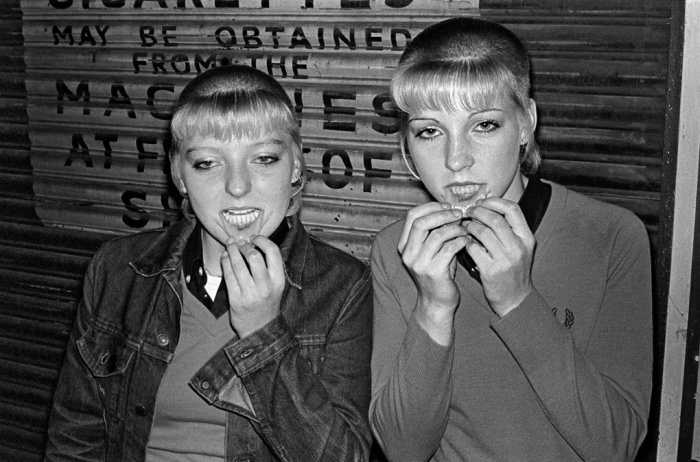
Though I was working with kids, I never heard the term ‘looked after kid’ until reading Paolo Hewitt’s book of the same name. A good friend of mine was also ‘a looked after kid’. She is one of the kindest, sunniest people I know. I knew that the lead female in Feathers would also be a looked after kid albeit with very different experiences to that of Paolo’s and Shirley’s. I also knew that she would become a skinhead. It was an easy choice. The support, the camaraderie, the inspiration, the stimulation, the opportunities and the protection ‘this tightly-bonded crew of crop-headed urchins’ would create would help her story develop and offer reflections, ask questions, of the reader.
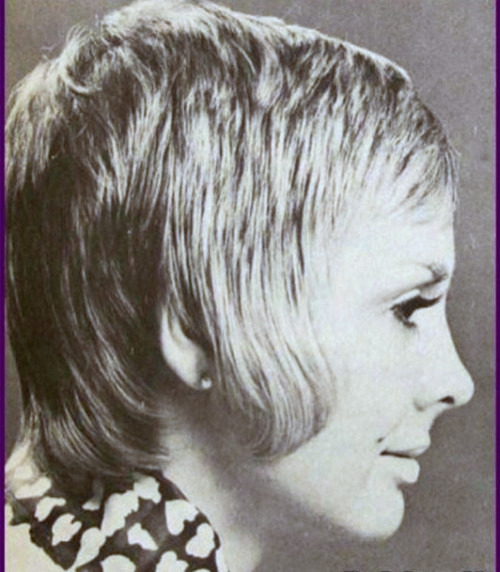
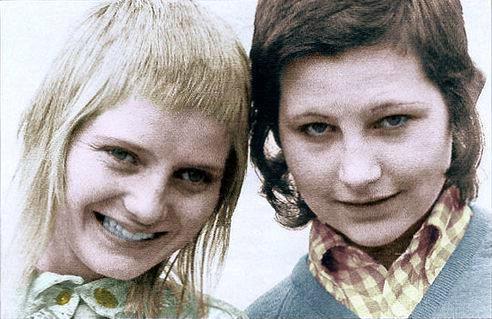
When Felicity chooses to crop her hair to get a feather cut, she is making a statement, to others and to herself. In today’s world of tolerance, where youth culture has seemingly become a mish-mash, where it is now okay to mix subculture fashions, music genres and hang out with anyone you wish to, cropping your hair, getting a psychobilly quiff or a mohican barely raise a glance, and I say that with no judgement. I have a preference but I accept that this is their time. I had mine.
In the early 80s, a girl choosing to get herself a feather cut, wearing skinhead fashion, was putting out a clear sign for others, a sign that stated clearly to which tribe she belonged. Alongside her flight from the children’s home, this seemingly small act is hugely significant for Felicity. It is her rite of passage.
Steve Piper
Below is an excerpt from Steve Piper’s new novel Feathers. If you’re hungry for more, you can order it directly from Old Dog Books – it won’t cost you the world.

‘Jesus!’ She hissed from between clenched teeth.
A fan of paperwork scattered like leaves across the office floor. She adjusted her footing with a renewed awareness, her toes fighting for grip through the material of her grey-white socks. The nylon-cotton mix was treacherous upon the slippery surface of the shiny desktop. She had been so engrossed in what she was doing, concentrating intently on the task of opening the window quietly that she had forgotten that she was standing on top of the manager’s desk.
She had planned this night for weeks. It would be a shame to mess it up for a moment’s carelessness. She held her breath momentarily, concerned that her exclamation may have been louder than she could afford. She listened intently for any audible threat of hurried footsteps in the lobby, for the angry protest of a thrown-open door. Her lungs let go with relief, the only sound she could hear was the thump of her own heartbeat within her small chest.
She continued with the task all the while aware that time was of an essence. Grasping the cold window handle she pulled inwards to ease the pressure off the catch. She knew from experience that the opening of the old metal-framed windows in the building could be noisy at best and teeth-gratingly cacophonic at worst. She eased the window open. A sharp blast of the late hour snatched at her breath. The night breeze chilled her skin causing goosebumps to erupt all over her body.
With a last quick glance at the office door, she gripped the frame and pulled herself out through the opening, the soles of her feet finding the cold stone sill. She was thankful to find a heavy cast-iron drain pipe was there, running on down vertically past the first-floor window to meet the graveled path that run alongside the building. She had surveyed the spot whenever they had been allowed to wander the grounds, eyeing up the drainpipe and its offered possibilities but there was always the concern in the back of her mind that she had been looking up at the wrong window. With some satisfaction, she swung herself across and gripped the pipe, her skinny nimble fingers at odds with the cast iron, flaky and rough under her tissue-soft skin.

With careful agility she eased herself down, hand under hand, her socks quickly holed as they snagged and frayed on the abrasive brickwork, her toes appearing through the tears like piglets escaping from beneath a blanket. She touched down on the pea-graveled path and let out a lungful of relieved breath. It was pitch-black. Her eyes could not adjust no matter how many times she attempted to blink away the blackness. With no torch or natural light, she relied on her instincts and knowledge to navigate her way searching by feel for the verge of lawn that she knew banked the path. She wanted to avoid her footfall being heard and had reasoned that getting on to the soft grass would be a priority if she was to make it off the grounds without alerting anyone.
Her feet found the damp verge as planned. She placed her faith in her senses and headed to where she was sure the front of the house would be. She fought hard not to squeal when she felt the squish of a slug caught between her toes, she stifled a yelp when she felt the familiar sting of a thistle bite into the ball of her foot. All these were pain and discomfort worth bearing when she finally glimpsed the imposing shadow of the ancient brick wall that skirted the perimeter of the grounds. Tall, rugged and forbidding, it was a formidable structure at least 10 feet in height and as deep across the depth as any wall she had ever seen. Foliage, spiky and dense, crowded the wall’s base. It looked impenetrable. This enormous obstacle was split only by the ornate scrollwork of a huge pair of gates. The gates provided the only access to the circular drive that led up to the country building’s frontage.
At the corner of the building, she stopped and took a moment to prepare. She knew that it was a hundred and twelve good steps to reach the gates from the position where she now crouched. She had counted them. She was a good sprinter. This particular prowess she had shown on school sports days, being first through the ribbon in the races she had entered and collecting her winner’s rosettes with pride. She had enjoyed few rewards so far in her short life but she had enjoyed those small victories. The rosettes pinned to the noticeboard in her dorm room had been left behind.
She waited patiently to pick her moment. Old George the night watchman would be doing his rounds. She knew his routine and his habits. She knew that he was lazy and that he would cut corners. He always did. George was employed to provide night security, to walk the perimeter of the building checking windows and doors but he did no more than he could get away with. A sudden knife of light flashed from the main door as it was opened sending a slice of brightness across the graveled circle. George stepped out into illuminated area. He leant against a tall column of stone, one of four pillars that supported the structure that covered the top step. He reached into the side pocket of his cardigan and pulled out a tobacco tin. She watched as he skillfully rolled himself a cigarette, a man deep in his own thoughts. She saw the flare of a match as he lit the fag. He took a long, satisfied drag then let a plume of smoke out and up into the cool night air.
He stepped out from the lit porch, down the three wide steps and onto the main circle, his big black boots crunching the gravel. The fag dangled from his lip, his hands tucked into the pockets of his cable-knit cardigan, his nonchalance clear to see. He ambled to the far opposite corner of the building where he paused.
She knew that was as far as he would go. He rarely ventured further, especially when it was very cold. She also knew that she had about a minute before he would perform an about-turn and tread his well-worn path back past the wide steps over to the corner where she waited.
She studied him as he lazily peered down past the long side of the building. Just the usual cursory check for intruders or anything unusual. Satisfied that all was as it should be he rocked back on his heels, plucked his roll-up from his lips and puffed out another long, slow stream of smoke.
She bolted. Her lithe feet whizzing beneath her as she sped towards the gate, her stick-thin arms pumping, her long hair streaming behind her, ignoring the bite of pea-gravel beneath her heels. Stealth was impossible, she had to rely on her speed and agility. She heard George’s bark. ‘Oi, you! Stop!’
It only served to drive her on. At pace, she stared hard at the gates, calculating, identifying the footholds she would need when she arrived at the structure. She made no attempt to slow her approach. She hit the ironmongery hard, grabbing hold, heaving herself into it, tucking her hands and feet into its many decorative openings and climbing hard.
She was aware of the agitated scatter of gravel as George’s big boots ploughed beneath him. He lumbered towards the gate, puffing and grunting, but knew that she already had the upper hand. She wasted no time looking backwards, confident that she had escaped his reach. She hurled herself over the apex and hit the ground on the other side with such a breathtaking thump her teeth clashed together and her bones rattled. George was at the gate, she heard him wrestling with the hefty padlock and chain. ‘Oi! You little cow!
She shook off the impact of the drop and flew off down the black country lane. Her fleet of foot ensuring that she gained enough distance into the vast darkness of the Essex countryside before George managed to get the heavy gate open. She stole a last sideways glance at the signage that sat atop the stone wall as she fled.
‘Great Oaks – Care Home for Children’
******
The ditch she was sat in stank. Wet and boggy, the ooze seeped through her corduroy trousers, but it provided a momentary haven and importantly, it kept her out of sight of the road.
Felicity had allowed herself a brief stop. A well-earned rest to gather herself. A chance to regain her breath and to try get her bearings. Her adrenalin had spiked and she had been running on it for too long.
Like a fox she was fearful but highly alert, all her senses switched on, watching, listening, smelling for the chasing pack of human hounds that would be out looking for her, noses flaring, seeking her scent. She was uncomfortable, sore and tired but she knew all this was infinitely comparable to being caught and being dragged back to the home.
She knew that it would not be long before some of the ‘hounds’, would be sent out in cars and the home’s minibus to look for her. She had calculated that they could not allocate too many to the task as the other children back at the home in bed would still need looking after. She knew that the manager would have to call the police. That was certain but she felt confident that she could make it out of the area before daylight. Rural police services had better things to do than to go looking for orphaned escapees in the middle of the night.
She checked her hands. They were sore and frayed from the shimmy down the pipe and the clamber up the gate. As she breathed, she felt the bruising starting to come out on her side, the heavy drop had knocked the wind out of her. These issues while causing her some slight discomforts were of no consequence measured alongside her painful, bloodied feet. She had known that going barefoot would be an issue but had no other options.
As always, as part of the bedtime routine all the children were required to place their footwear on racking that was provided before turning in for the night. This racking was placed in full view of the night staff station. She had never had cause to query this procedure until she had made up her mind to perform her own ‘Great escape’. Now she knew why they confiscated the girl’s footwear. Fetching her shoes had not been a luxury she could afford but the home’s rule makers had not accounted for her sheer determination to see her plan through.
It was Steve McQueen, or rather his on-screen character, Virgil Hilts that had provided the inspiration she needed. ‘The Great Escape’ was a film that proved to be very popular with staff at the home. They had commandeered the TV when it had shown but had allowed Felicity and some of the other children to sit quietly to the rear of the lounge. she had lain awake that night planning her own great escape.
She had admired the character’s tenacity and resilience, his application to his mission was admirable. She had developed a crush on Steve and had taken a poster of him from a tv magazine which she hung on the wall next to her bed. It had hung there for around a week before staff took it down, deeming it ‘inappropriate’ decoration for a girl’s dorm.
Despite losing Steve, her hope remained, a small flame that grew stronger by the day deep down in her dark and fearful gut. With patience, diligence and cunning her own plan had slowly pieced together until she felt ready to implement it in full.
She had seen her McQueen poster again, albeit briefly. Glancing through a gap in the staff room door one day she had spotted it pinned to a notice board there. In the build-up to this night, she had contemplated hiding a spare set of footwear somewhere on the grounds to aid her plan but was worried that these may have been discovered. She knew that this might have had the effect of heightening security and had practiced caution. She had tried to remain barefoot wherever possible around the building and grounds to toughen the soles
of her feet and was often scolded for it. Regular spot-checks on clothing and belongings were commonplace in the home. Some of the staff could be Gestapo-like in their attitudes towards ‘caring’ for the children. There were good people back there too but they had little influence.
She had liked Mary. Mary was kind but naïve. She liked the girls. She brushed their hair nicely not spitefully. Spoke to them in soft, hushed tones. When Mary was not on shift it seemed to suit some of the other staff. She had heard them say horrible things about Mary.
She felt a pang in her belly as she thought of little George. Her Georgina, her surrogate sister. They had been inseparable in her time at the home. With no brothers or sisters of her own she had quickly adopted George and become her protector.
This loss and any accompanying regret dissipated quickly as she snapped out of her musings. She gave herself a good talking to. George would be so much safer back there now that she was gone. She had sacrificed herself for George’s future but it had been worth it. She allowed herself to feel good about it.
Felicity was unsure of how long she had rested but knew that she needed to get out of the area as soon as possible. Her greatest concern was the impending daylight. She did not know how disheveled she appeared but felt filthy, she knew that it would draw attention. Being shoeless was a big problem.
She clambered out of the ditch and to her feet. The rough road cut into her already wounded feet but she walked on. She knew the road well and the small village that it led to. The issue was that her pursuers knew that too. She needed to get there before the tiny rural population woke and sparked into life.
She lifted her legs and broke into a steady trot, blocking out the bite of pain that bolted through the soles of her feet with every step. If there was one thing the home had taught her it was tenacity, an ability to shut down, to take yourself away in your own head.
She thought of London. Huge glorious London. The capital city of England.
Buckingham Palace. Big Ben. The Houses of Parliament. Black cabs. Big red buses. Beefeaters. Bobbies on the beat. Big rivers. Enormous shops like Harrods and Hamleys. Museums that filled roads. Fountains and lions. Flags waving over buildings. Oxford Street. Bond Street. Carnaby Street, Soho and Covent Garden. Bright neon lighting and Piccadilly Circus.
Her heel struck a loose stone; the effect was instantaneous. She collapsed to the floor in agony clutching at her foot. The intense pain surged through her. Tears streamed from her eyes as she fought the overwhelming urge to vomit.
She was immobilized for several minutes. After some time, her breathing returned to normal though her heel throbbed. She heard the tweet of the dawn chorus, raised her head to the lightening sky and saw the village sign.
Old Dog Books are here.
 Creases Like Knives
Can I have the link to buy the book please
LikeLike
You can order it here:
https://www.olddogbooks.net/shop/olddogbooks/feathers/
LikeLike
This book is superb,I haven’t finished it yet but it is a very accurate portrayal of the time as I know from being a Punk/Skinhead in the late 70’s and early to mid 80’s.Still wearing the style at and loving the music at 61.
My first real girlfriend was a Skin girl who had been in care,I often wonder how she got on in the end,poor girl was damaged and I couldn’t repair her.
LikeLike